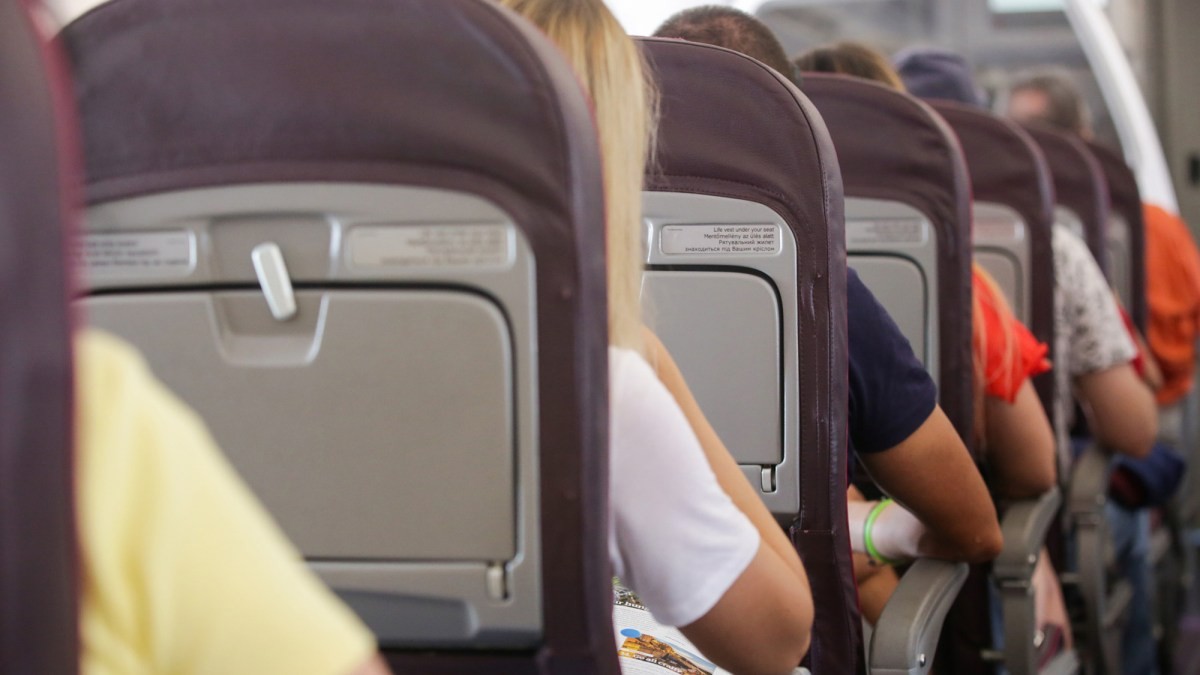
Your knees are touching the seat in front of you. You have to hunch your shoulders just to find your drink. The person next to you has already claimed the armrest with their entire forearm. If you feel like flying used to be more spacious, you aren’t crazy. Airplane seats really did shrink.
We’re squeezing into smaller and smaller metal tubes at 35,000 Feet because of a specific historical decision and a changing passenger population. This isn’t just about comfort anymore. It’s a complex mix of economics, regulation, and biology.
The 1978 Turning Point
To understand the tight fit, you have to look back at 1978. Before this year, the airline industry looked completely different. Flying was expensive. The government treated air travel like a utility, controlling routes and pricing tightly. Airlines couldn’t just fly where they wanted or charge whatever they wanted.
Passengers paid more, but they got more. Meals. Baggage. Legroom that didn’t require contortionist skills.
Then came the Airline Deregulation Act of 1978. Congress wanted to boost competition. They figured if they stepped back, new airlines would enter the market, and ticket prices would drop. It worked, at first. More people could finally afford to fly. The sky filled up.
But over time, the industry consolidated. A handful of giant airlines now dominate the U.S. market. They realized something simple about the math: more seats per plane equals more revenue per flight.
So, they squeezed them in.
The Numbers Behind the Squish
The shrinkage wasn’t instantaneous. It was a gradual erosion over decades.
William McGee, a senior fellow at the American Economic Liberties Project, tracked this closely. He found that major carriers—American, Delta, United, Southwest—lost between two and five inches of legroom since the 1980. Seat width shrank by about two inches.
Here is the contrast:
- Late 1990s: Average legroom hovered around 35 inches.
- Today: The average sits closer to 31 inches.
- Budget Carriers: Some dip as low as 28 inches.
Thirty-five inches is premium economy space today. Twenty-eight inches is practically torture for anyone over five foot seven.
You Are Getting Bigger. They Are Getting Smaller.
The seat size shrank, but the passengers didn’t. In fact, the opposite happened.
According to CDC data, the average U.S. adult now weighs about 15 pounds more than a thirty years ago. We’ve also gotten slightly taller, though height increases have plateaued recently.
Paul Hudson, president of Flyers Rights, pointed out that this is an anomaly. Movie theater seats. Car seats. Office chairs. These have generally gotten more generous over time. Airplane seats went the other direction.
This creates a dangerous mismatch.
The Safety Debate
The FAA doesn’t currently set minimum seat dimensions. They argue that smaller seats don’t compromise safety. They claim evacuation standards are met even with tight spacing.
Critics disagree.
The FAA requires a plane to evacuate in 90 seconds. That’s the rule. But experts like Hudson argue the tests don’t reflect reality.
They tested in parking lots. They didn’t always include children, elderly passengers, or those with physical limitations. Real emergencies involve stress, panic, and debris. Smaller aisles mean slower exits. Cramped conditions also increase the risk of blood clots on long flights. The CDC says to move around every few hours. Try doing that when your seatbelt sign is on and the window passenger is asleep.
What Can You Actually Do?
You can’t fight the airlines. The economics favor density. You can’t fight biology either. But you can mitigate the misery.
If you can afford extra legroom on long hauls, buy it. It’s worth it.
On shorter flights, movement is key. Hudson’s advice is simple: stand up whenever the person next to you stands up. You don’t need a reason. You just need to circulate blood and reset your spine.
And if you’re lucky? Check the overhead bins. If they have room, stow your bag. If not?
Welcome to the world’s least comfortable ottoman experience. Your carry-on suitcase becomes your footrest. It’s uncomfortable. It’s a safety hazard. And you’re doing it anyway because that’s what flying is now.
The seats probably won’t get bigger. But maybe we’ll finally get better at moving.