


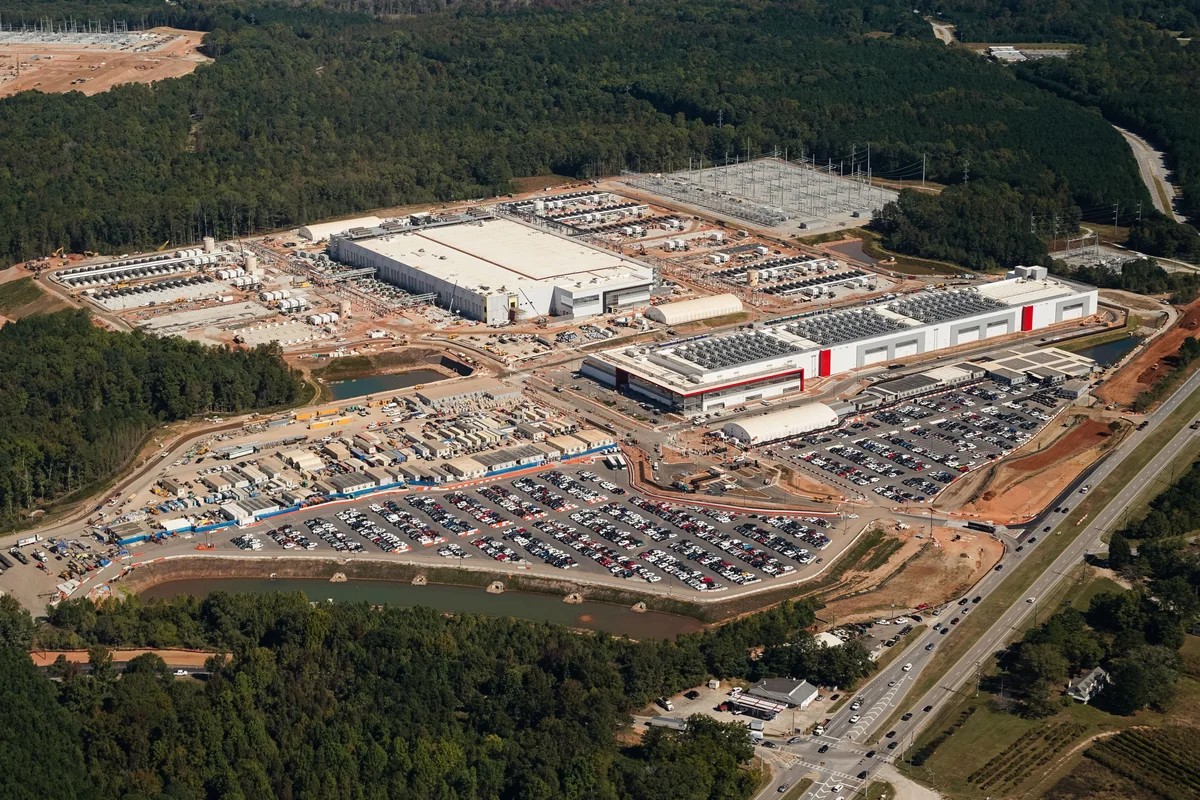
Governor Kathy Hochul slammed the brakes. On July 1, she issued a statewide moratorium. It covers new hyperscale data centers.
This is the first time any U.S. state has paused construction of these facilities. New York wants up to a year to figure something out. Specifically. How much energy do they eat? How much water do they waste? And what does that do to the neighbors?
“It is important to acknowledge that… they’re very heterogeneous,” says Eric Sjöstedt.
Data centers aren’t new. They’ve existed for decades. But this AI gold rush is different. The speed and scale caught utilities off guard. Now New York might become the test case for the whole country.
Who Gets Stopped And What Changes?
The rule isn’t a total ban. It’s selective. It applies to proposed facilities that can pull at least 50 megawatt-hours. If your permit application isn’t already deemed complete, you’re paused.
For the next 12 months, two agencies will dig into the data:
- The Department of Public Service will draft an environmental impact statement.
- The Department of Environmental Conservation will check if current water laws actually catch the thirst of these machines.
They are looking at energy demand. Water use. Air pollution. Noise. And how these burdens fall on disadvantaged communities.
It sounds simple. It’s not.
Why Data Is The Real Problem
You can’t regulate what you can’t see. Fengqi You from Cornell University points out the obvious obstacle. Transparency is hard. Right now, facility-level data is either secret or messy.
“In my view, the data and透明度 [are] the hardest part.”
If the numbers are missing or misleading, policy fails.
Here’s the technical reality most people miss: nearly all electricity in a server becomes heat. The processors take the power. Fans and pumps chase the heat. Then cooling towers try to push it away. That process gulps water. It also gobbles grid power.
Most facilities draw from the main grid. One big site uses as much power as tens of thousand homes. Who pays for the new lines? Utilities often make customers subsidize that infrastructure. Hochul’s office wants to stop that. Data centers should shoulder their own burden.
Is Local Generation Better?
Maybe not.
Hochul’s plan encourages Energize NY. It wants to ensure costs don’t spill over to households. But where does the power come from?
You suggests they “bring your own power.” Sounds clean? Maybe.
If that power comes from on-site diesel or natural gas, you solve the grid load but kill local air quality. Solar and wind are cleaner, but they take land and aren’t always on. Nuclear? Different debate. The carbon footprint shifts wildly depending on the source.
And let’s talk backup generators. Almost every center runs diesel reserves. Those spew pollutants. They also make noise. When those generators kick near housing, the impact is immediate and nasty.
Water Wars In Silicon Valley Style
Electricity is half the battle. Water is the other.
This gets weird fast. There is the water footprint of generating electricity off-site. Then there is the water withdrawn on-site for cooling. Some gets evaporated. Some is returned to the aquifer or river.
It depends entirely on location.
Take Southern Nevada. Water is scarce. So they banned evaporative cooling in new industrial buildings. But wait. Closed-loop cooling (the alternative) uses less water. But it uses way more energy.
Trade-off.
If water is tight, save it and burn fuel. If the grid is dirty, maybe use more water to avoid burning gas? It’s a tangled mess of local constraints. Jonathan Koomey, an efficiency researcher, cuts to the chase.
“We need some data centers.”
He doesn’t suggest a ban. He asks the real question: Where should we put them? And how do we pay for the damage?
The Wait Is Long
New York is trying to build a model. You believes if they get this right, other states will copy the framework. The rush of AI infrastructure construction shows no signs of stopping.
The problem isn’t the technology. It’s the external cost. Who bears it? The grid operator? The local homeowner? The air they breathe?
The answer is still coming. One year from now.
Until then. We wait. And watch. And wonder if we really needed another one here.


