“You have hissed the mystery. In fact, you tasted the worm.”
Chaos. Or so it seems.
Attributed to Rev. William Archibald Spooner, an absent-minded Oxford cleric from the 19th century, this phrase is the grandfather of accidental sound swaps. We call them spoonerisms.
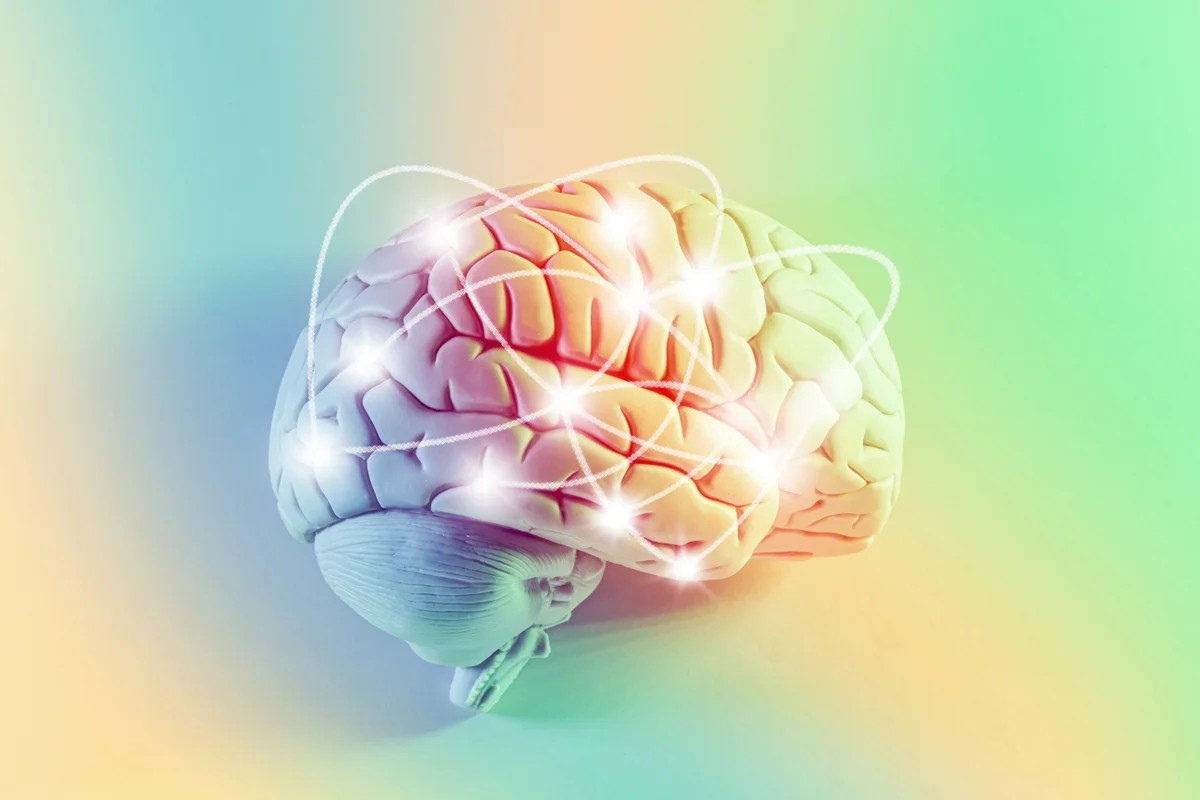
Most people laugh them off. It’s just a funny slip. Linguists and psychologists look closer. These aren’t just gags. They are rare windows into the high-speed, chaotic machinery that turns abstract thought into audible speech in a fraction of a millisecond.
Mistakes are often more revealing than successes.
The Myth vs. Reality of Archibald Spooner
Who was he?
William Archibald Spooner lived from 1844 to 1930. An Anglican priest. Scholar. Head of New College, Oxford. Brilliant, kind, and famously scatterbrained.
He became synonymous with transposing sounds. Swapping the starting phonemes of adjacent words.
Take the classic wedding toast: “It is kisstomary to kuss the bride.”
Or the sermon: “The Lord is a shoving leopawd.”
Or finding someone in his pew: “Mardon me, Padyman, you are ocuppying my wite. May I cew you to another theep?”
There’s a problem though.
A pack of lies. That’s what these quotes largely are.
Spooner rarely said them. Students at New College were notorious pranksters. They invented these quotes to humiliate him. Newspapers amplified the stories. Humorists kept them alive. The legend eclipsed the man. Before long, every swapped sound was branded his, regardless of origin.
So why does the brain do it?
Why Do We Swap Sounds?
Speaking feels effortless. Automatic.
Open your mouth, and sound comes out.
But try to say “well-oiled motorbike” and you might end up saying “well-boiled motorcycle.”
Did your brain pick random letters? No. It grabbed the correct sounds—l, b, c —and tangled their placement. The words existed in your mind. The sounds were ready. But the wiring crossed.
This tells us something critical.
We do not speak word-by-word.
Our brains plan sentences ahead. Multiple words sit active in our short-term memory buffers simultaneously. The kiss in “kiss” and the cost in “costly” are both loaded. When execution happens, the signals sometimes jump tracks.
It is hidden choreography. A collision of meanings, word forms, and sound features at incredible speed.
Spoonerisms vs. Freudian Slips
Are they the same as Freudian slips?
No.
A Freudian slip—or parapraxis—suggests the unconscious mind is leaking secrets. Sigmund Freud believed mistakes revealed repressed wishes or hidden desires. If you called your boss “Mom,” he’d say you had issues.
Modern psycholinguists disagree.
They see no ghosts in the machine. Usually, a slip is just cognitive congestion. The system is overloaded, not revealing trauma.
That said, your current mental state does influence errors. Stress creates noise. If you are anxious, your slips might relate to that anxiety. If you have been thinking about food, “sausages” might slip into a serious political speech.
Did you hear about Keir Starmer?
In 2024, the British Prime Minister intended to call for the release hostages. Instead, under pressure, he demanded the release of the sausages.
Was that a secret desire for meat? Probably not. It was a speech plan competing with stress. His brain reached for a phonetically or conceptually related item—“hostages” vs. “sausages” (maybe visual? maybe phonetic drift? the details are blurry)—and the wrong one fired.
What Speech Errors Teach Us About Language
Children make them too. Speakers of Japanese, German, Spanish—virtually every language studied shows the same patterns.
This isn’t an English quirk. It’s a human brain feature.
It proves that language is not a linear process.
Letter by letter? No.
Word by word? No.
It is a multi-layered planning process. The brain selects meaning, retrieves lexical items, organizes phonology, and coordinates facial muscles—all at once. Most of the time, the synchronization is invisible. You never notice the hundreds of microseconds it takes to plan “the quick brown fox.”
But then.
“A lack of pies.” instead of “A pack of lies.”
It looks silly. But it’s structural proof. The parts were all there. They just swapped slots.
Every error is a snapshot of that invisible assembly line. When things go right, it’s magic. When things go wrong, it’s data.
We are all walking around, misfiring occasionally, proving our minds are beautifully, chaotically complex.