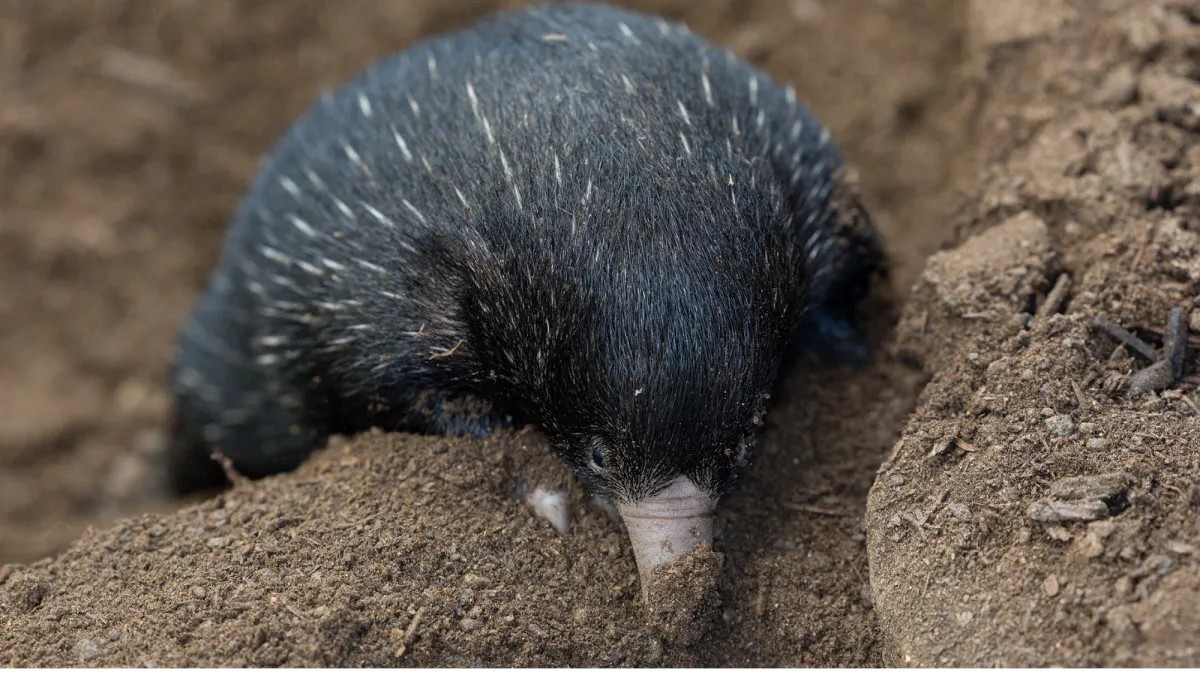
Most baby animals fall into one of two buckets. The precocial ones? They hit the ground running. The altricial ones? They need a lot of help. Echidnas fall firmly into the second camp.
“The young need lots of attention,” notes staff at the Harter Veterinary Medical Center, currently handling a rare hand-rearing case at the San Diego Zoo Safari Park.
Kathryn, a short-beaked echidna (Tachyglossus aculeataus ), gave birth to two puggles this season. One is staying with her. The other ended up in human hands. It wasn’t a choice; the smaller sibling just wasn’t gaining weight. Now it survives on formula, veterinary ultrasounds, and relentless monitoring.
What exactly is a puggle and why does it need special care?
First things first. Echidnas aren’t just any marsupial. They are monotremes. That puts them in the tiny, bizarre club with platypuses. They lay eggs. This is wild when you think about mammals, but for these spiky, long-nosed creatures from Australia and New Guinea, it is just Tuesday.
The life cycle is weird. Kathryn carries the egg in a temporary pseudo-pouch. It’s not like a kangaroo’s pouch that’s always there. This structure appears only for incubation. After about ten days, the egg hatches. The baby emerges fur-less, spine-less, and incredibly light.
How light? Think half a mini marshmallow.
That tiny puggle rides in that pseudo-pouch for two months. Then comes the transfer. Kathryn digs a nursery burrow. She moves the baby to the back. She backs the entrance up with dirt. Basically sealing it off. But she keeps going back every few days. To feed it.
The mother acts as a remote feeder, retreating and returning until the puggle is ready for the world outside.
The San Diego team is watching every step. They aren’t guessing. They’re scanning.
How vets monitor echidna digestion with ultrasounds
Hand-raising a monotreme is hard. Success rates are low. Anthony Cerreta, the clinical vet involved, puts it bluntly: they need to intervene whenever things slip.
The big issue for the hand-reared puggle was digestion. Is the formula going through too fast? Too slow? Instead of waiting for symptoms, the vets use regular ultrasounds on the baby’s stomach.
It gives them a view into the mechanics of eating. They watch the movement. They time it. Then they adjust the feeding schedule accordingly. It is precision medicine for a creature that weighs less than your morning coffee mug lid.
“Hand-rearing puggles from age tends to have lower success,” Cerreta says.
So they watch. Daily vet checks. Twice daily specialist checks. It is exhausting. But it’s what the animal needs.
Kathryn is busy raising the other one in the wild. She does it naturally. The vet team is trying to mimic that support without the biological instinct.
Will it work? We’ll have to wait and see. The burrow is still backfilled. The ultrasound probe is ready.