It smells like early COVID again. 🚢
A cruise ship. An unknown pathogen. No test to tell who’s sick and who isn’t. The fear is palpable, echoing a year gone by. But this time the lab didn’t wait for federal clearance. They just got to work.
The Weekend Grind
Scientists at the Nebraska Public Health Laboratory pulled an all-nighter over the May 9-10 weekend. Their target? The Andes hantavirus. It’s the bug infecting passengers of the MV Hondius. So far, 10 people sickened, three died.
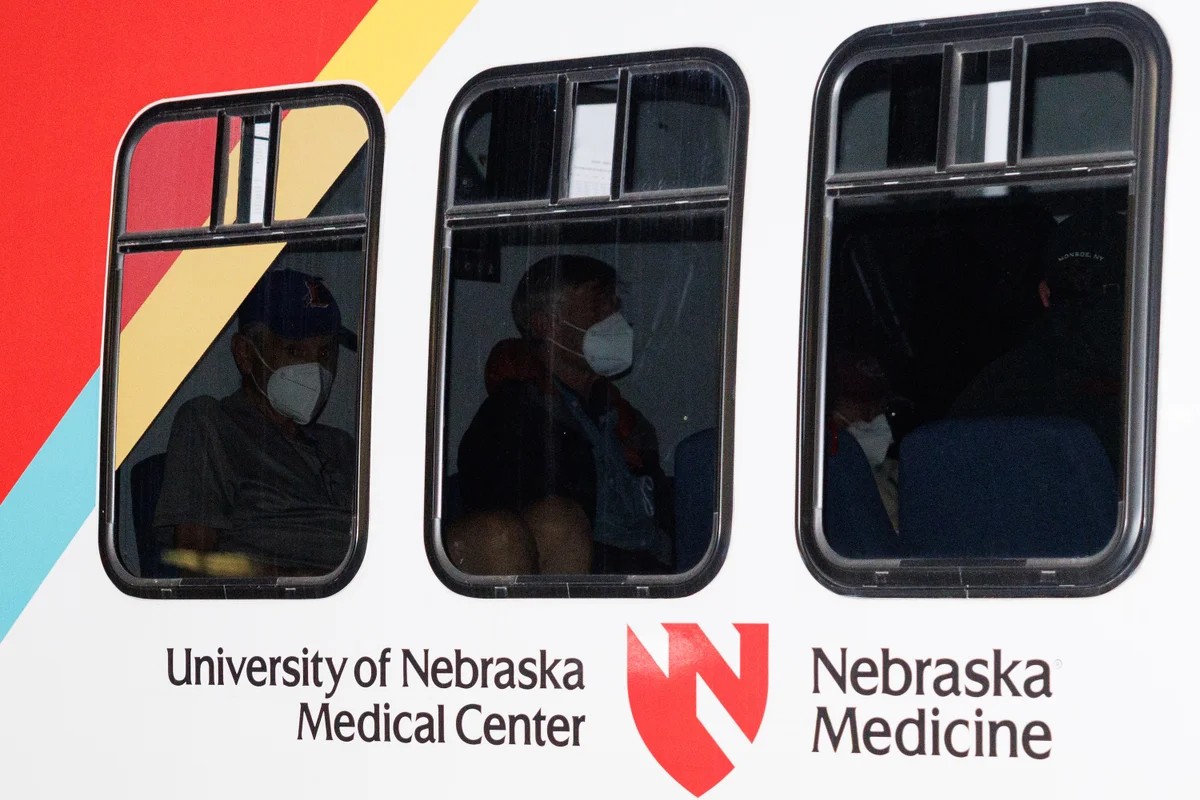
The stakes were high. Officials are watching at least 41 travelers in the US. Eighteen are holed up in Omaha’s National Quarantine Unit. Symptoms can take up to 6 weeks to appear.
Here is the problem: The CDC only had blood tests that detect antibodies.
That helps people already sick. It tells you their immune system fought something off. But it misses the asymptomatic. The people walking around carrying low levels of the virus, waiting to explode. The CDC was building their own test. It wasn’t ready. Nebraska decided to bridge the gap themselves.
“Serology looks for a response… PCR was designed to be able to test prior to symptoms.”
— Peter Iwen
Why Blood? Not Swabs.
Peter Iwen and Emily McCutchen ran the show. Iwen is the lab director; McCutchen is deputy. They chatted with Scientific American to explain the scramble.
The test uses blood. Not a nasal swab. You draw blood, isolate the viral RNA. If Andes hantavirus RNA is there, you amplify it using PCR. You make the signal loud enough to hear. It’s the same principle as the rapid COVID tests we all know. Different source, different virus. Same science.
The clock started Saturday morning. Reagents didn’t even arrive until then.
Validation Under Pressure
You can’t just mix chemicals and call it a day. There are rules.
CLIA 1988 mandates certain standards. Accuracy. Sensitivity. Precision. The test has to prove itself before it’s legally allowed to spit out a “Yes” or “No” on a human patient. McCutchen worked late Sunday. Iwen stayed up until 9 PM signing off on the validation papers.
Why? Because the travelers from the quarantine unit showed up at the lab at 2:30 AM on Monday.
They didn’t sleep. Neither did the patients waiting in the dark.
Who Gets Tested?
One passenger initially tested “mildly positive” in the Netherlands. It turned out inconclusive, then negative. That wasn’t Nebraska’s doing. They’ve tried to track down those records with limited success.
In Nebraska? You need consent. They don’t just take your blood. If you sign and the specimen arrives, they test it. They’re open to requests from other quarantine sites across the country, not just Omaha.
Can they scale up?
McCutchen says yes. They chose instruments specifically because they allow for volume growth. They hope not to need them, but the machinery is there.
Talking to the Big Boys
Communication with the CDC? “Everything has been going okay,” says Iwen. There are difficulties. Federal agencies move slowly. But they’re connected. They’re helping each other.
And the world outside the US? The University of Nebraska Medical Center became a WHO Collaborating Center days ago.
It’s an international event.
The virus doesn’t stop at the border. The testing needs to keep up. Will it?
Nobody knows for sure yet. But in Nebraska, they’re ready for the sample. 🩸