We spend 90% of our lives indoors. The average American clocks 23-plus hours a day inside climate-controlled boxes, shielded from the elements and the sun. It feels safe. It feels modern.
Science says it’s probably killing us. Or at least, shortening our lives in ways we don’t yet fully grasp.
The skin is turning out to be one of main regulators in the circadian clock network.
For decades, the message was blunt. Sun = bad. Skin cancer = bad. Avoid it all. Wear SPF. Stay in the shade. But the data has shifted. A new body of research suggests that while we should certainly avoid blistering, the blanket policy of sun exposure risks and total avoidance is flawed. In fact, it might be doing more harm than good.
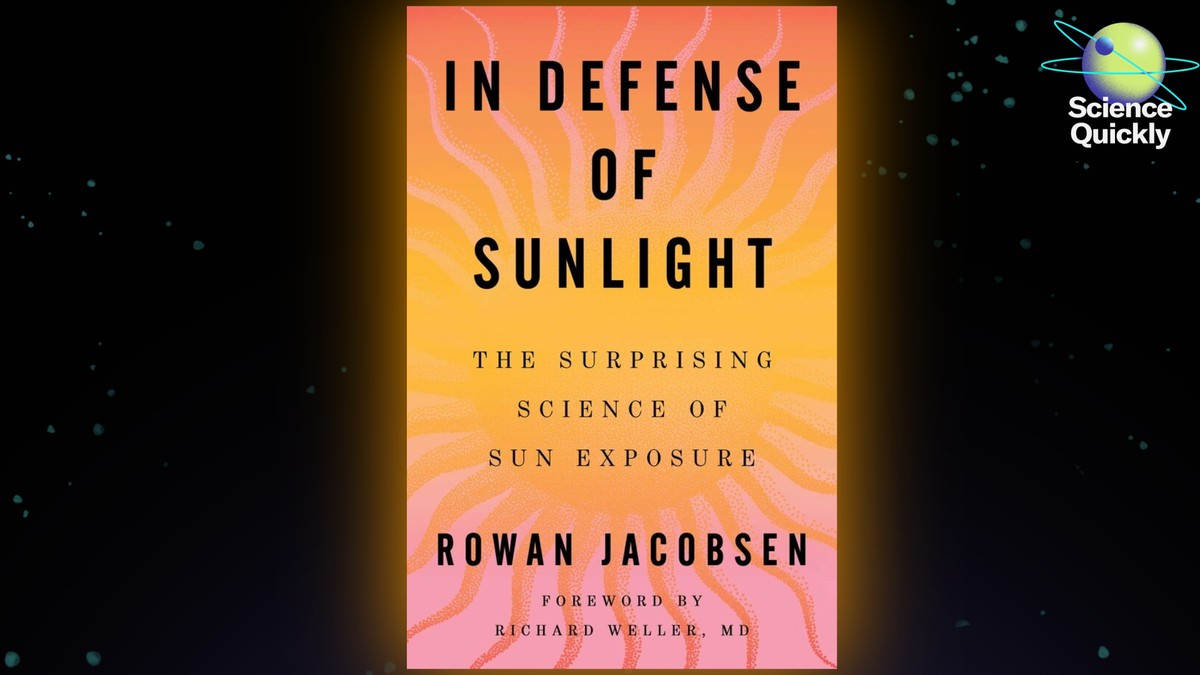
Rowan Jacobsen, author of In Defense of Sunlight, argues that the current guidelines are stuck in the 20th century. They were designed for a different medical reality, one that ignored everything except vitamin D and carcinogenic UV rays.
Why moderate sunlight benefits may outweigh skin cancer fears
Here is the core conflict. On one side, we have mainstream medical advice that treats the sun as an adversary. On the other, we have observational studies showing that people who get more sunlight tend to live longer, healthier lives.
It’s not just about tanning. It’s about biology.
When UV light hits the skin, it doesn’t just synthesize vitamin D. It triggers the release of nitric oxide. This molecule travels into the bloodstream and dilates blood vessels. The result? Lower blood pressure. Since cardiovascular disease remains the number one killer globally, this mechanism matters. A lot.
Jacobsen points out that vitamin D supplements do not replicate this effect. You can take a pill for D, but you can’t take a pill for nitric oxide. The skin has its own light-detecting proteins, similar to those in our eyes. They signal the rest of the body. They help regulate circadian rhythms. They tell the immune system to calm down. They boost metabolism.
- Nitric oxide lowers blood pressure.
- Sunlight dampens overactive immune responses.
- It aids in metabolic regulation.
This isn’t a call to abandon sunscreen entirely. It’s a call to nuance. The current “one-size-fits-all” recommendation is tailored for people with very fair skin who burn easily. For everyone else, particularly those with darker skin tones who are far less susceptible to melanoma, total avoidance means missing out on significant health benefits.
Which sunlight exposure guidelines are actually safe?
So how do you walk outside without getting cancer?
First, distinguish between types of skin cancer. Most non-melanoma skin cancers are common but rarely fatal. They are, as Jacobsen puts it, a “rounding error” in overall health statistics. Melanoma, however, is different. It is rare but dangerous.
Interestingly, melanoma risk does not correlate strongly with lifetime sun exposure. Outdoor workers, who get constant moderate exposure, often have lower melanoma rates than indoor workers. The real danger appears to be intermittent, intense exposure that leads to sunburns—especially during childhood.
This breaks the “vacation burn” pattern. Live indoors all year, then spend a week baking on Aruba. That is the recipe for disaster.
Moderate, daily exposure seems to carry minimal risk for most people. The goal is consistency, not intensity.
Australia has already moved forward here. They abandoned the single blanket rule. Instead, they created three distinct sets of guidelines based on skin phenotype:
1. Very fair skin
2. Medium skin
3. Darker skin
Each group receives specific advice on how much sun is safe. This makes logical sense. A person with deep pigmentation faces different risks than someone who burns after five minutes in July. Yet, in the U.S., we still cling to a fear-based, uniform protocol.
How to balance vitamin D sources with natural light
The old logic was simple. Sun makes vitamin D. Sun causes cancer. Therefore, take vitamin D pills and stay inside.
The new data suggests that calculus was wrong. Pills give you vitamin D, yes. They don’t give you the nitric oxide boost. They don’t regulate your circadian rhythm via skin sensors. They don’t modulate inflammation the way direct exposure does.
But you shouldn’t stand in a parking lot at noon.
Jacobsen’s recommendation is surprisingly simple. Just go outside. The act of being outdoors is correlated with better health outcomes, regardless of whether it’s strictly the sunlight or the fresh air, or the movement. The average human body isn’t built for 23 hours of enclosure.
If you have fair skin, you still need to protect against burns. Use sunscreen if you’re staying out long enough to burn. But for many people, the fear of a “rounding error” like non-melanoma skin cancer is outweighed by the potential cardiovascular benefits of regular, moderate light.
We need better guidelines. We need them to reflect skin tone. We need to stop treating the sun like a toxin and start treating it like a complex environmental factor that, when managed correctly, keeps us alive longer.
Until then, the safest move might be the most basic one. Step outside. Let the skin see the light. Don’t burn. Just be there.
Is it worth the risk? For most of us, staying inside is the bigger gamble.