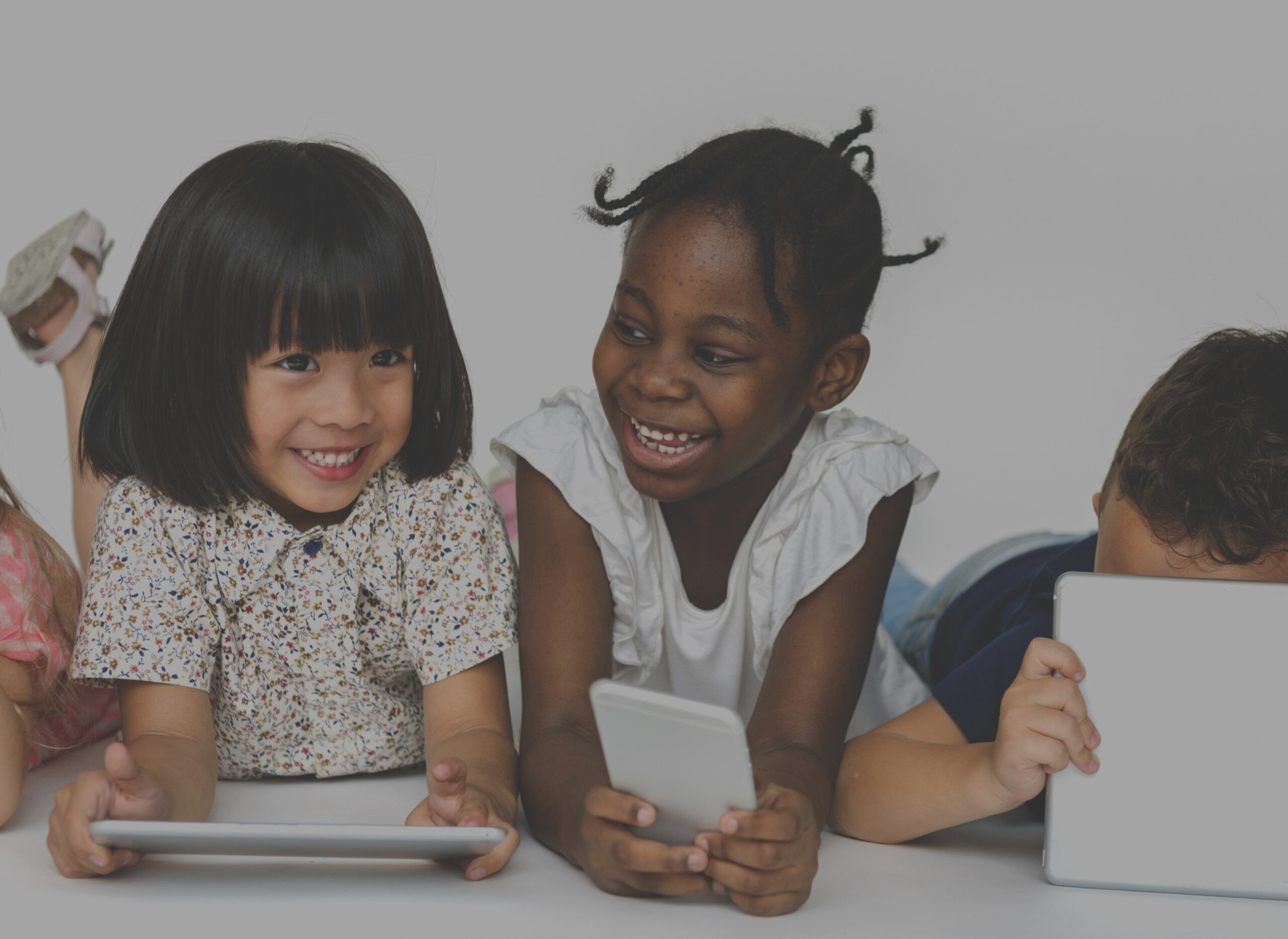
The American Academy of Pediatrics (AAP) shifted its stance on digital media this January, marking the first update to screen time guidelines in a decade. The new recommendations moved away from just watching television and focused heavily on digital devices. They gave a clear message to parents, pediatricians, and schools: use technology to support learning, not to replace human interaction.
Most educators were relieved. Finally, there was research-backed guidance.
But there’s a problem.
The advice wasn’t specific to early learners. Tips like “make a media plan” or “protect sleep” are vague when you are dealing with a five-year-old. These general rules offer little help for Pre-K or Kindergarten teachers trying to navigate daily classroom challenges. So, what are you supposed to do?
The Danger of Six-Second Bursts
Digital content is designed for speed. It flashes. It jumps. It rewards attention in milliseconds. When young brains get used to that rhythm, the real world feels painfully slow.
“Too much of this screen… it could be damaging overall,” Latoya Jones says. Jones is a Pre-K through fifth-grade media specialist based in Broward County, Florida, and a former kindergarten teacher.
She worries about how kids process information. If we teach them to think in six-second bursts, are we setting them up for long-term cognitive issues?
The impact isn’t just cognitive. It’s behavioral.
Kristina Turner, a first-grade teacher in Paterson, New Jersey, has noticed a direct link between screen usage and emotional regulation. Her students are used to instant gratification. When a lesson takes more than a few seconds, their behavior spikes. They get quick-tempered. They struggle with patience.
Colleen Francisco, a Kindergarten teacher at the online Laurel Springs School in West Chester, Pennsylvania, argues that these friction moments are essential.
“There’s beauty in students having an issue,” Francisco notes. That struggle is where adults step in to support them. When kids are glued to screens, they bypass those critical learning moments. They don’t learn to listen. They don’t learn to advocate for themselves.
How Teachers Are Cutting Back on Tablets
The AAP guidelines tell us to reduce screen time. They don’t tell us how. That part is up to educators.
Devon Caldwell, a Pre-K and K teacher in Manitoba, Canada, has a simple rule: never let children use screens passively. If a child is looking at a screen, they should be moving, talking, or creating.
Caldwell prioritizes co-viewing. Students don’t just watch; they negotiate rules and talk to each other while interacting with approved educational software.
For hands-on learners, traditional methods often work better.
Tyler Brown, an English teacher in Indian River, New York, challenges colleagues to question their digital habits. He asks: Is the tool enhancing the learning, or is it just replacing a physical activity?
Take phonics. You might have a website where kids drag letters onto slides. Or you could do what many teachers did for decades: cut and glue.
“Little kids are tactile learners,” Brown says. “Why are we using screen time for what can be a manipulative activity?”
This approach extends even to math. Francisco uses cereal for addition and subtraction. Jones used Play-Doh and sandboxes for spelling words. The goal isn’t to ban technology entirely. It’s to ensure active engagement over passive consumption.
Why Face-to-Face Interaction Beats Algorithms
The biggest hurdle isn’t in the classroom. It’s at home.
Turner admits she can’t control what happens when the bell rings. Many of her students go straight to devices the moment they get home. But she has found creative ways to bridge that gap.
She gives parents index cards with math problems or sight words. Keep them in the car. When the kids are bored in the back seat, they grab a card instead of an iPad. Put the words on a magnet for the fridge. Read to get a snack.
It’s simple. It’s low-tech. It works.
Francisco takes a different approach by reinforcing phonemic awareness. Instead of assigning video-based homework, she sends resources that encourage parents to talk face-to-face with their kids. The child listens. They manipulate sounds. They engage.
Bryana Casas, a master teacher at Pacific Oaks Children’s School, emphasizes that the stakes are high. Excessive screen time negatively impacts executive functioning, socio-emotional skills, and language development.
For Pre-K and K students, interpersonal skills are the main curriculum. Nothing replicates the nuance of a human face. No algorithm can teach empathy. No screen can replace the comfort of a shared story.
So, does the AAP advice make sense? Absolutely.
But applying it requires more than just reading a summary. It demands that teachers get creative with tactile materials. It requires parents to put down their own devices and pick up an index card.
The digital world isn’t going away. It’s only getting faster. But maybe that’s a good reason to slow down, pick up some Play-Doh, and let the kids figure it out.