The ongoing conflict between Iran and U.S.-led forces has extended beyond traditional military targets, striking at the very foundation of life in the Persian Gulf: water. While Iran faces a long-standing domestic water crisis exacerbated by climate change and mismanagement, the war has introduced a new, acute danger to the entire region. By targeting desalination plants—the lifeline for millions of people across the Gulf—the conflict has transformed a resource scarcity issue into a potential humanitarian and ecological catastrophe.
A Region on the Brink of Thirst
For most nations in the Persian Gulf, desalination is not merely an alternative; it is the primary source of drinking water. According to Chris Low, director of the Middle East Center at the University of Utah, 60 million people in the region depend on these facilities. The dependency varies by country but is universally high among the Gulf Cooperation Council states:
- Qatar: ~99% dependent
- Kuwait & Bahrain: >90% dependent
- Oman: 86% dependent
- Saudi Arabia: 70% dependent
- United Arab Emirates: 42% dependent
In contrast, Iran relies on desalination for only 3% of its water needs. Its water supply is traditionally drawn from snowmelt, rivers, dams, and lakes in its mountainous terrain. However, Iran is facing its own severe water crisis, so severe that President Masoud Pezeshkian announced plans in 2025 to consider moving the administrative capital from Tehran to the southern coast due to dwindling resources.
Infrastructure Under Fire
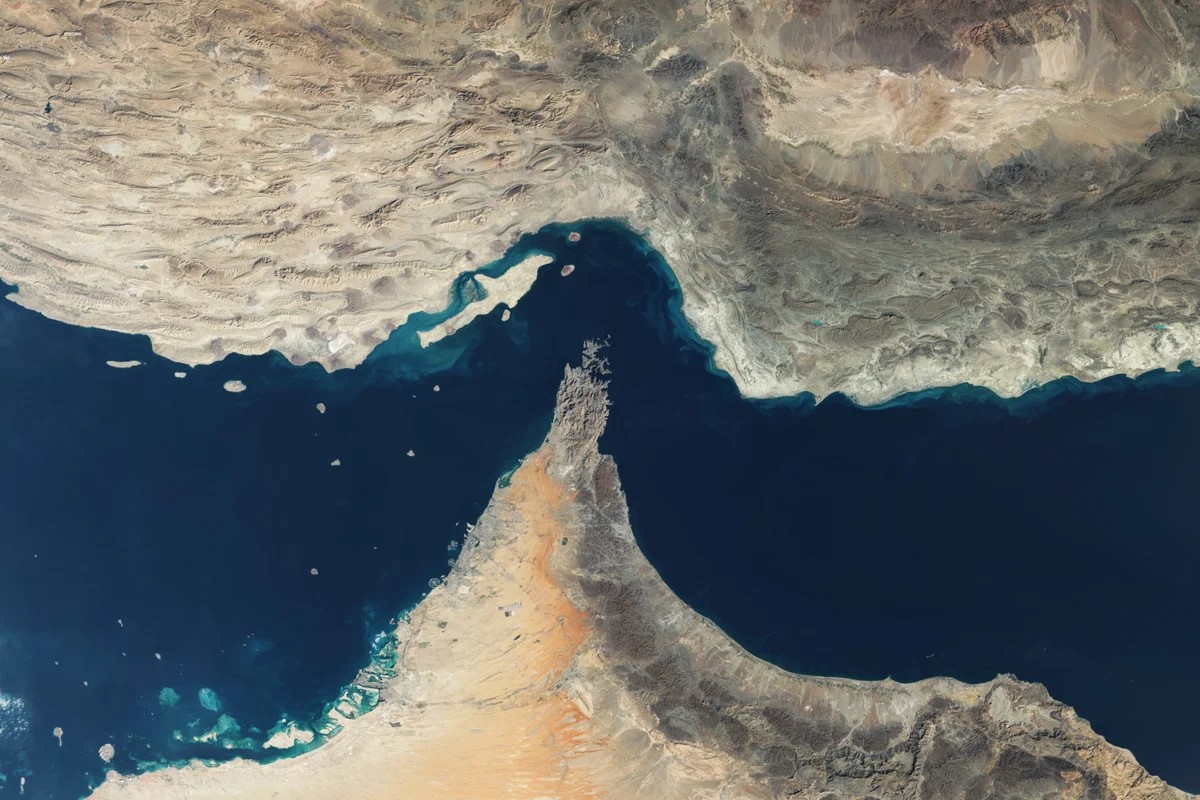
The war has brought desalination infrastructure into the crosshairs, raising serious questions about the safety of civilian supplies. In March, Iran accused the U.S. of attacking a desalination plant on Qeshm Island in the Strait of Hormuz. The U.S. denied responsibility. Within days, the conflict’s ripple effects were felt across the Gulf:
- Bahrain accused Iran of damaging one of its desalination plants.
- Kuwait reported attacks on at least two of its facilities by April.
Low notes that targeting these plants likely constitutes a war crime under international law, as they are civilian infrastructure. The strategic vulnerability of these nations is extreme. Countries like Qatar, Bahrain, and Kuwait have reserve capacities lasting only a few days to a week. There is little “slack” in the system; if a major plant goes offline, the impact is immediate and severe.
“If we were to turn off the tap of the Jebel Ali plant in Dubai… Dubai would not fare well. All of those major population centers… are attached to very significant desalination facilities.” — Chris Low
Ecological Terror and Historical Precedents
The threat to water security is not limited to direct strikes on plants. Attacks on energy infrastructure have resulted in massive oil spills visible from space, risking the clogging of desalination intake pipes and fouling filters. Furthermore, damage to nuclear facilities introduces the risk of radioactive contamination.
This scenario echoes the 1990–91 Gulf War, when Saddam Hussein’s forces enacted a campaign of “ecological terror” in Kuwait. They sabotaged power and desalination plants, set over 700 oil wells on fire, and intentionally spilled oil into the Gulf. The aftermath took weeks or months to resolve, requiring emergency water shipments from Saudi Arabia, Turkey, and the U.S., along with mobile diesel generators.
Today, the strategy appears different but equally devastating. Iran, recognizing it cannot defeat the U.S. or Israel in a direct confrontation, appears to be adopting a strategy of spreading pain across the regional economy. For example, damage to Qatar’s Ras Laffan LNG facility—which accounts for 20% of global LNG supply—could take years to repair, causing global economic shockwaves.
The Nuclear Wildcard
Perhaps the most terrifying prospect is the risk to Iran’s Bushehr nuclear power plant. Located at the northern end of the Gulf, near Kuwait and Iraq, the facility has been targeted in multiple attacks. Low warns that a breach of containment, combined with a loss of power and cooling, could trigger a Fukushima-style meltdown. Such an event would not only devastate Iran but also contaminate the shared waters of the Gulf, creating a long-term ecological disaster that no amount of diplomacy could easily resolve.
Conclusion
The war in the Persian Gulf has exposed the fragility of the region’s water security. While Iran struggles with internal water management, the conflict has turned desalination plants into strategic targets, threatening the daily survival of millions in neighboring countries. With limited reserves and high dependency on fragile infrastructure, the Gulf states are left vulnerable to both direct attacks and the broader ecological fallout of modern warfare.