Tasmanian tigers haven’t been around since 1936 🦎
European settlers blamed them for killing sheep. They hunted them until they were gone. A mix of dog, zebra and kangaroo. Weird looking. Dangerous, allegedly.
But there’s a jar of liquid somewhere in a museum. Or a university lab. Thirteen pups sit in alcohol there. Beige skin. Wrinkled. Frozen in time for over a century.
One joey had good genes. Enough to map the genome.
Now scientists want to fix it. They want to bring it back.
It’s called de-extinction. It sounds like Jurassic Park because it borrows from that plot line. You edit the DNA. You find a surrogate mom. You push the button.
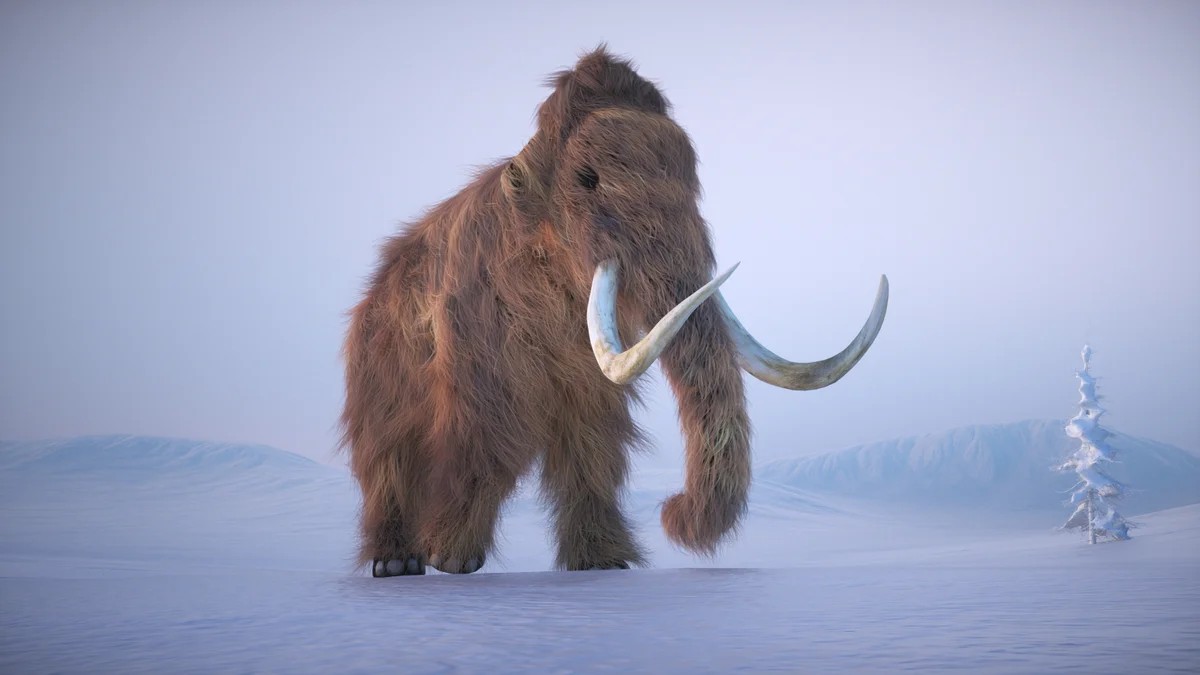
Andrew Pask at the University of Melbourne leads the charge. He’s partnered with Colossal. That’s the startup founded by Ben Lamm and George Church. Church is busy trying to bring back woolly mammoths too. He raised $400 million for that one. The thylacine gets left with the scraps of attention. But maybe not for long.
Marsupials are easy. Well, easier than mammoths.
Pregnancy is short. Weeks, not years. You can use dunnarts as surrogate moms. The process moves fast. You can iterate. If it fails, you try again next month. For a mammoth? You wait two years for a pregnancy in an elephant. Frustrating. Slow. Expensive.
So yes, we probably could bring them back.
The question isn’t can we.
Should we?
Even if they came back, would they survive?
Before humans showed up, the species might have already been dying out. Low genetic diversity. Susceptible to disease. Competition from dingos pushed them off mainland Australia anyway.
Bringing back a few individuals doesn’t fix the genetics problem. A small group of cloned tigers isn’t a population. It’s a zoo exhibit with delusions of grandeur.
Pask argues otherwise.
He says the thylacine fills a niche nobody else occupies. An apex predator. Like the wolves in Yellowstone. Reintroducing them repairs the ecosystem.
Maybe.
Even if the tigers fail, the technology helps others. Mammoth research already saved elephants from a herpes virus. Maybe this research saves the koala. Reproductive tech is a side benefit. A life raft for marsupials generally.
Critics see it differently.
They think it’s guilt. Big, shiny guilt.
Colossal’s website talks about righting “anthropogenically induced wrongs.” It’s a redemption story. We broke nature, so we use tech to buy forgiveness.
Is that noble? Or just narcissism?
The biggest complaint is simpler. It’s about money.
De-extinction is a sideshow.
Real conservation deals with climate change. Habitat destruction. Pollution. Things that actually kill biodiversity at scale.
Why spend millions bringing back extinct species when you could pay people to not burn forests?
Philosopher Ronald Sandler put it bluntly: It’s sad the passenger pigeons are gone. It’s sadder that the world isn’t suited for them anymore. You’re bringing the furniture back to a burnt-down house.
But this view misses two things.
- The money doesn’t come from traditional conservation funds. It’s VC money. Tech billionaire cash. It’s separate.
- The narrative power is huge.
Traditional environmentalism preaches limits. Do less.
De-extinction preaches innovation. Build more.
It appeals to people who hate hearing that they need to consume less. It brings tech optimists into the conservation conversation. When these animals exist, people will demand space for them. You need places to put tigers. Suddenly, habitat protection becomes a political necessity again.
We are failing to govern this.
That’s the real issue.
Conservation right now is a mess. Silicon Valley whims. Legal battles by nonprofits. Slow, sclerotic government bureaucracy. Everyone has different goals. No one is coordinating.
We need a council. Not for bioethics specifically, but for biodiversity strategy.
Not to say “yes” or “no.”
But to manage the disagreement.
Imagine a room. Experts. Stakeholders. Tribes. Ordinary people.
They argue. Heatedly.
The cautious ones point out blind spots. The ambitious ones push for R&D.
No consensus. Consensus is impossible.
The goal is compromise.
We decide what we can tolerate for now. We monitor. We adapt. We turn gridlock into action.
It’s messy.
But necessary.
De-extinction might flop. The mammoths might never walk the tundra.
But look at Tesla. Early EVs were expensive niche toys.
They dragged the entire concept of electric cars into public imagination.
De-extinction does the same for biology. It makes us ask hard questions.
Is “naturalness” worth anything?
Or is survival enough?
If engineered coral keeps fish alive, does it matter if it was modified in a lab?
Maybe we should drop the idea of “pristine nature.”
Nature is always changing. We changed it. Why pretend we didn’t?
Conservation science has an ethos of restraint.
Wait. Measure. Don’t rush.
Aaron Wildavsky called this “trial without error.”
It means we never try.
We just watch things die and hope we didn’t do it too quickly.
There’s a cost to that caution.
Geneticist Line Bay warns that ignoring gene editing now means having no options in 10 years.
Sometimes “purity” kills.
Take the California tiger salamander. It’s endangered. But hybrids are stronger.
If you protect the pure bloodline strictly, you might lose the species entirely to disease or environment.
Purity isn’t survival.
So don’t blindly plunge forward.
Be careful.
Small tests. Tight monitoring.
Learn as you go.
Biodiversity affects everyone.
Not just scientists. Not just funders.
If we are going to engineer the Anthropocene, let’s decide how to do it together.