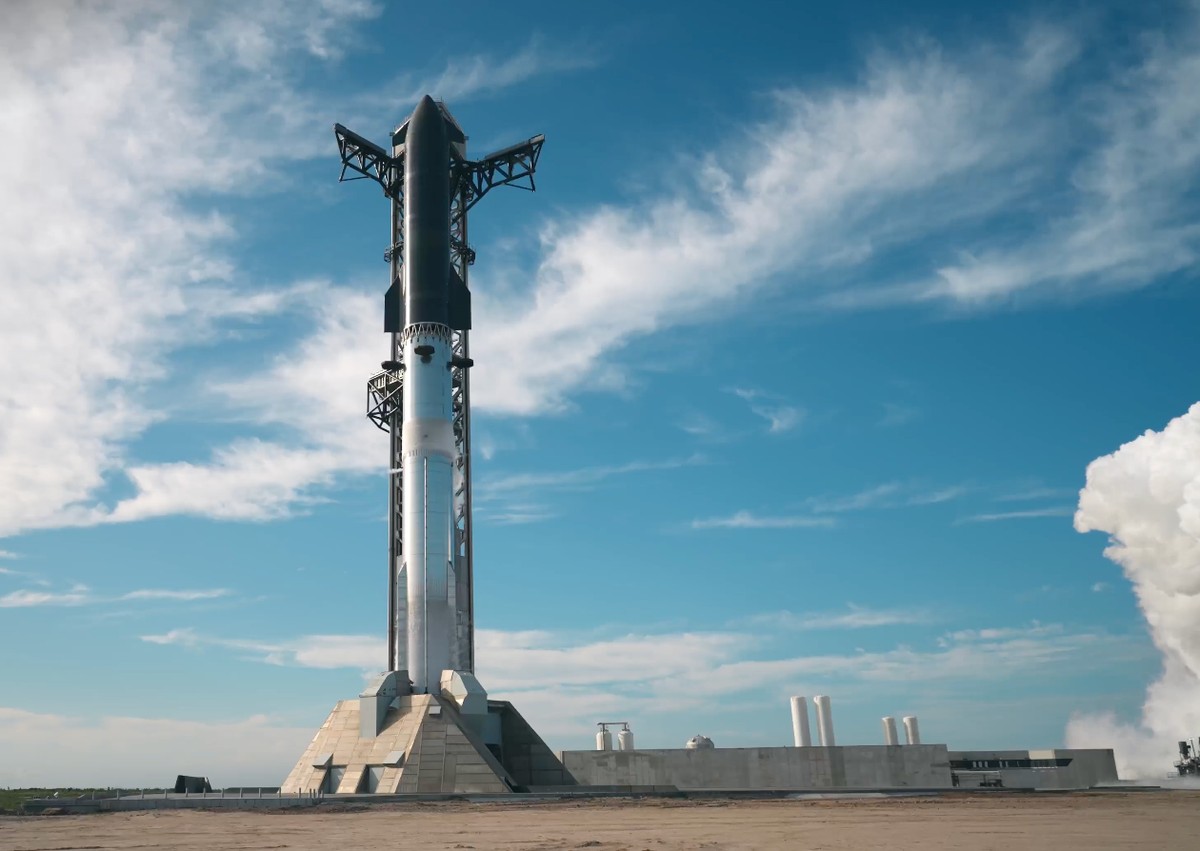
Thursday came and went without fire.
SpaceX scrubbed the launch. Not just any launch either, but the debut of Starship V3. This isn’t an incremental tweak. It’s the tallest, most powerful rocket anyone has ever built. The planned flight—number 12 for Starship—would have marked the first public showing of the new V3 design. Now it sits on the pad, silent. Maybe they try again Friday.
Joseph Gonzalez knows these machines. An associate professor at the University of Illinois and a former NASA Artemis engineer, he didn’t mince words before the scrub. He warned folks not to treat this like another routine test. Underneath the sleek hull? Massive engineering shifts.
V3 is taller. It pushes past 18 million pounds of thrust. It runs on the new Raptor 3 engines.
“The engineering changes under the rocket hood are substantial,” Gonzalez told Scientific American. “For those who think this is simply a repeat… this is different.”
Different means expensive.
According to recent filings with the SEC ahead of an anticipated IPO, SpaceX dumped about $3 billion into developing Starship in 2025 alone. That slice comes off a total spend of $15 billion for that year. Money burning fast.
Fully stacked with its Super Heavy booster, the thing stands 408 feet tall. One hundred twenty-four meters. It can lift 100 metric tons to orbit. Reusability is the whole point, at least theoretically. But today, nobody is catching the booster. Nobody is catching the upper stage. They’ll both break. Or melt. Or splash.
The mission profile is blunt.
The rocket won’t orbit Earth. It won’t stay up there. Instead, Starship needs to launch, separate from the booster, and kill its speed in the atmosphere before hitting the Indian Ocean. The Super Heavy will drop into the Gulf.
There is cargo onboard, though not for long. Twenty dummy Starlink satellites will scatter from the ship. Two operational ones, however, have a job. They are built to stare back at the ship’s heat shield during reentry. They’ll beam images back home. We get to watch it cook from the inside out.
Then comes the flip. The reentry maneuver designed to manage the heat before the final ocean touchdown.
Why does this matter?
Money. Image. Ambition.
Elon Musk expects to go public in roughly a month. Investors don’t buy rocket companies on vapor; they buy on capability. A successful flight of his “most powerful rocket” would certainly lift valuations. It would also keep NASA’s 2028 Moon deadline breathing.
And yes, there are rumors of AI data center satellites heading into orbit on this platform eventually. Big infrastructure dreams riding on a metal tube.
Gonzalez tried to sound hopeful despite the delay. He called the flights valuable. He said they teach the next generation.
“Flights like this push the aerospace industry forward.”
Sure. Pushing forward requires moving. Right now, Starship V3 is stuck on the pad. The question isn’t whether it works. It’s when they’re brave enough to try.