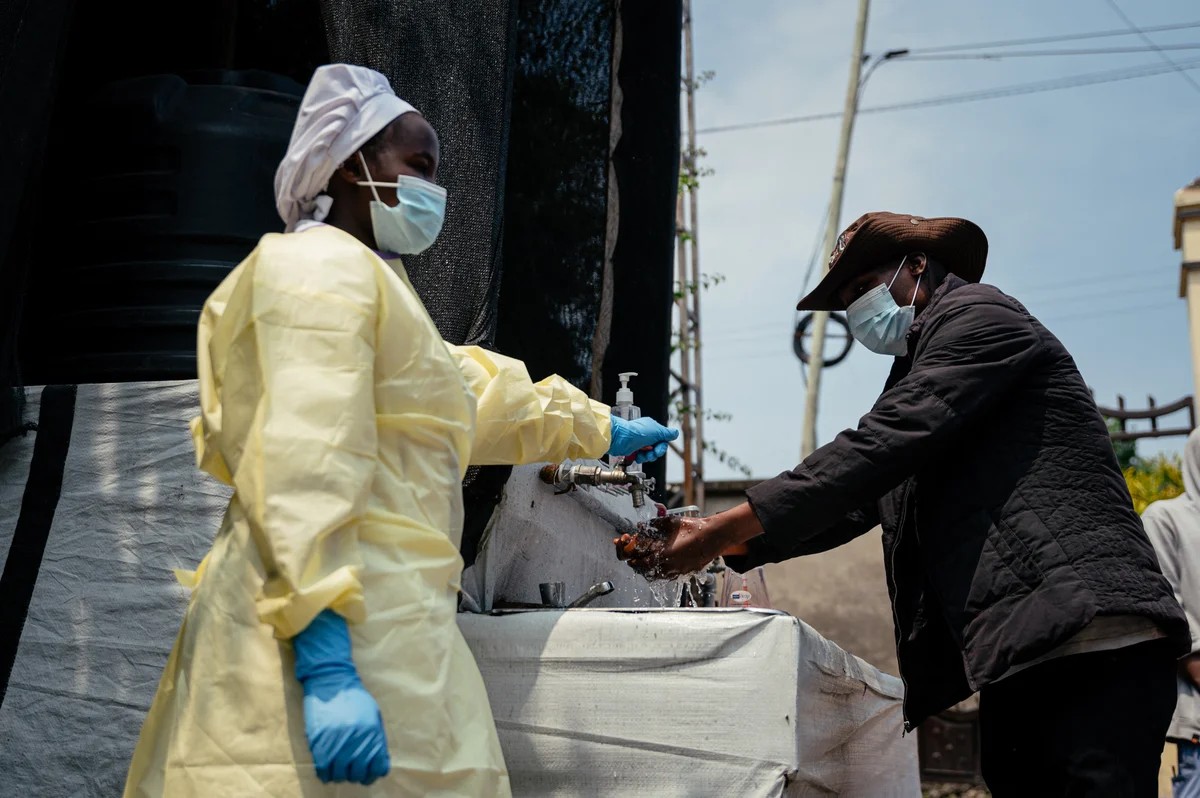
The ban goes into effect today. It hits Uganda, South Sudan, and the Democratic Republic of Congo (DRC). Thirty days is the clock. No extensions. No excuses.
Ebola is the driver here. Specifically, the Bundibugyo strain. Not the famous Zaire one that haunted West Africa a few years ago. Different beast. Lower lethality, maybe. But still deadly. We’re talking at least 100 deaths in the region already. Suspected cases run in the hundreds. Only about a dozen are confirmed.
It is a mess.
U.S. citizens and permanent residents can still come back home. The wall isn’t for them. Everyone else gets turned away at the gate. Acting CDC head Jay Bhattacharya signed the order. The goal is simple: buy time. The World Health Organization called it a global health emergency on Sunday. Panic isn’t the right word yet, but urgency certainly is.
Six Americans are in the mix. Or were. They got exposed in the DRC. One got sick. Symptoms showed up. Now they’re in Germany. That’s the plan. Keep it there. Don’t let it come here.
Health screenings at airports get stricter. Contact tracing ramps up. The CDC wants to talk to anyone who might have wandered into the risk zone recently.
The risk to the public remains low.
They said it on a press call. They said it because people need to hear it. Does it reassure you? Probably not. Internal bleeding doesn’t care about your feelings. It tears you up.
There’s no vaccine. No specific cure either. You’re left with supportive care. Mortality for Bundibugyo sits between 25% and 50%. That’s not the 50%+ we saw before, but it’s bad.
This feels different than 2014. Faster response? Maybe. Or just better fear.
We’ll see. The virus keeps moving. The clock starts ticking now.