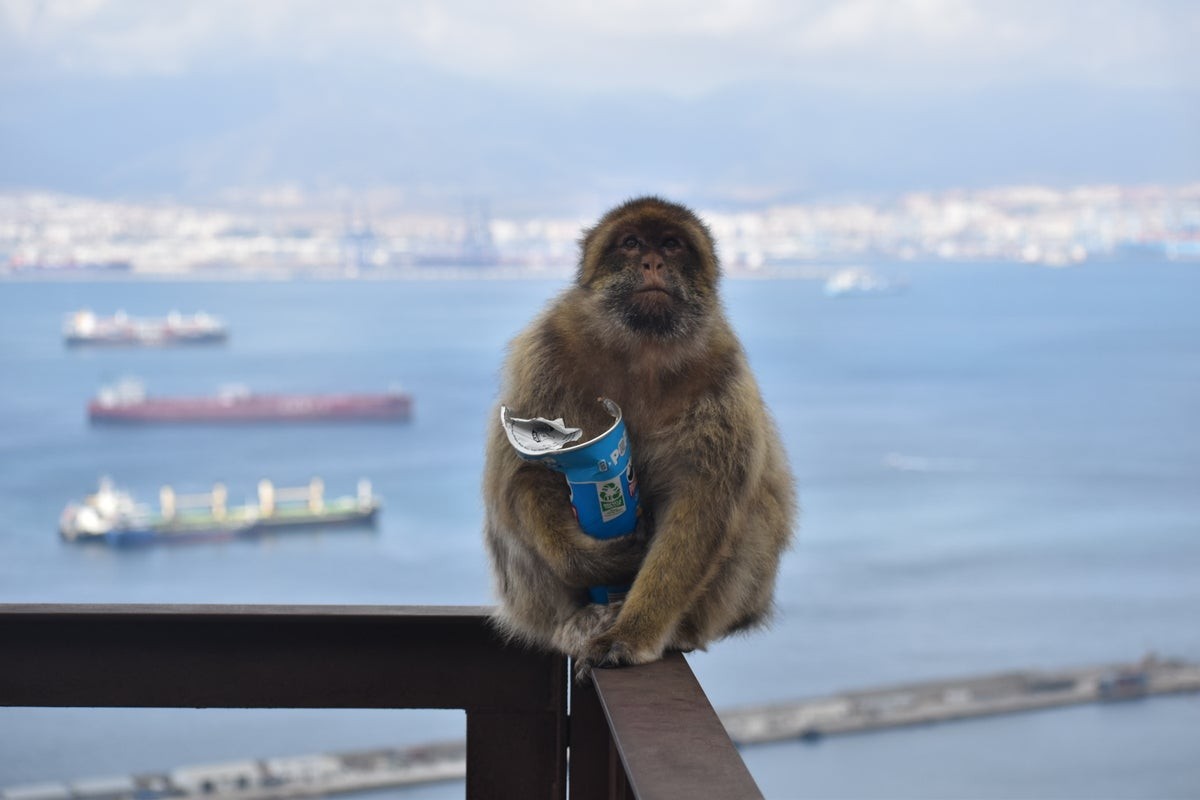
The iconic Barbary macaques of Gibraltar—the only wild monkeys found in Europe—are engaging in an unusual survival tactic: eating dirt. A new study suggests this behavior, known as geophagy, is a direct response to a diet heavily contaminated by human snacks.
The Rise of Geophagy in Gibraltar
Researchers from the University of Cambridge, led by biological anthropologist Sylvain Lemoine, have formally documented macaques intentionally consuming soil, clay, and dirt. While geophagy is a known behavior in certain birds and humans, this study marks the first time it has been scientifically recorded in these specific primates.
The scale of the behavior is significant. During more than 612 hours of observation across nine different locations, the team recorded:
– 46 distinct instances of geophagy.
– Involvement from at least 44 different individual monkeys.
– A pattern that appears more frequent in Gibraltar than in other primate species known to eat soil.
Why Are They Eating Dirt?
The research points to a troubling connection between tourism and primate health. As Gibraltar is a major tourist destination, the macaques are frequently fed foods that are entirely foreign to their natural diet of fruits, seeds, and vegetables.
The study highlights several key drivers behind this behavior:
1. Dietary Imbalance
Human junk food—characterized by high levels of sugar, salt, and fats—now accounts for nearly 20 percent of the monkeys’ total eating time. This “high-energy, low-fiber” diet is a radical departure from their evolutionary biological needs.
2. Self-Medication and Protection
Researchers believe the macaques are using soil as a form of self-medication. Consuming dirt may serve two primary purposes:
– Buffering the stomach: The soil may help mitigate gastric upsets caused by processed foods.
– Digestive barrier: Clay and soil might act as a physical barrier in the digestive tract to combat nausea and diarrhea.
– Mineral supplementation: Ingesting soil may provide essential bacteria and minerals that are missing from a junk-food-heavy diet.
3. Evolutionary Traps
The attraction to these foods is not a matter of “choice” but biology. Sylvain Lemoine notes that the same evolutionary mechanisms that drive humans to crave calorie-dense fats and sugars—originally designed to help our ancestors survive periods of scarcity—are being triggered in the macaques. In an environment where junk food is constantly available, these biological drives lead the monkeys into a cycle of poor nutrition.
The Tourism Connection
The study found that geophagy was most prevalent in areas with high tourist density. This suggests a direct correlation between human presence and the altered digestive habits of the macaques. As tourists continue to offer snacks, the monkeys are forced to adapt to the physiological consequences of a diet they were never evolved to process.
“We think the macaques started eating soil to buffer their digestive system against the high-energy, low-fibre nature of these snacks,” says Sylvain Lemoine.
Conclusion: The macaques of Gibraltar are using geophagy as a desperate biological workaround to manage the digestive distress caused by a diet of human junk food. This highlights the profound, often unintended, impact that tourism and human food availability can have on wildlife health.