Archaeologists have uncovered a remarkable find in the ruins of an ancient Egyptian city: a fragment of Homer’s The Iliad tucked inside a mummy. This discovery provides a rare glimpse into the cultural fusion of the Greco-Roman era and how classical literature was repurposed for sacred funerary rites.
A Literary Discovery in a Funerary Setting
The discovery was made at Oxyrhynchus, an ancient urban center located about 120 miles south of Cairo on the banks of the Bahr Yussef, a branch of the Nile. While the site is famous among historians for yielding vast amounts of Greek papyri since the late 19th century, this particular find is unique.
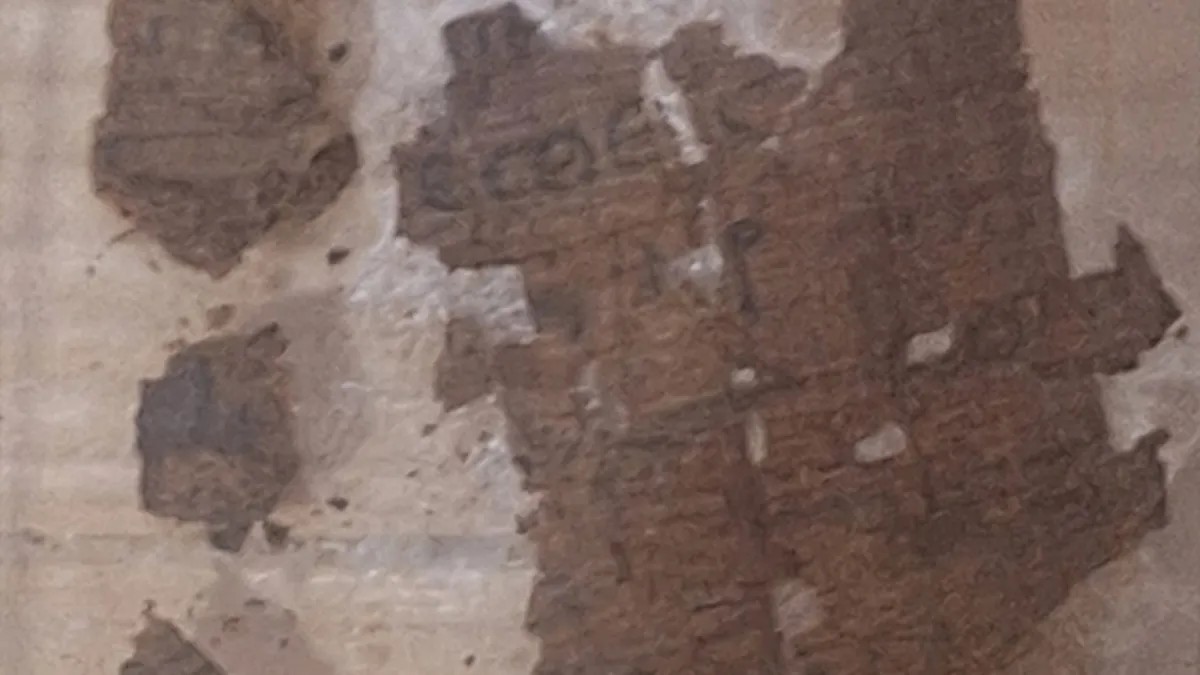
During the examination of a mummy housed in a wooden sarcophagus, papyrologist Leah Mascia identified a piece of parchment placed within the chest cavity. Rather than the magical incantations or religious spells typically found in such burials, this fragment contained a specific catalog of Greek ships. This list matches the exact vessels described in Book II of The Iliad , which details the fleet sailing for Troy.
The Intersection of Cultures
By approximately 400 CE, the region of Oxyrhynchus had become a melting pot of traditions. The mummification process itself reflected this hybrid identity, blending Egyptian, Greek, and Roman influences:
- Egyptian Foundation: The core process remained traditional, involving the dehydration of the body using natron salt and wrapping it in linen.
- Greco-Roman Integration: In a departure from older methods where organs were stored in separate canopic jars, specialists began packing the abdomen and chest with various materials, including clay-encased papyrus fragments.
While previous discoveries at the site have shown that Greek texts were used in mummification, those fragments were almost exclusively “magical” in nature—intended to protect the deceased through spells. The presence of a secular, cornerstone piece of Greek literature marks a significant shift in our understanding of what materials were deemed worthy of being placed within a body.
Why This Matters
This find raises intriguing questions about the status of classical literature in late antiquity. It suggests that works like Homer’s epics were not just read for entertainment or education, but may have been viewed with a level of reverence that allowed them to be used in the most sacred of rituals.
The central mystery remains: Why was this specific excerpt chosen? Whether it was intended to provide the deceased with the prestige of a hero or served a symbolic purpose related to the journey to the afterlife, the exact motivation of the ancient embalmers is still unknown.
“The real novelty is finding a literary papyrus in a funerary context,” noted Ignasi-Xavier Adiego, director of the Oxyrhynchus project.
Conclusion
The discovery of The Iliad fragment within a mummy highlights the profound cultural blending of the Greco-Roman period, where classical literature and ancient Egyptian burial traditions converged in unexpected ways.