America is running an uncontrolled social experiment.
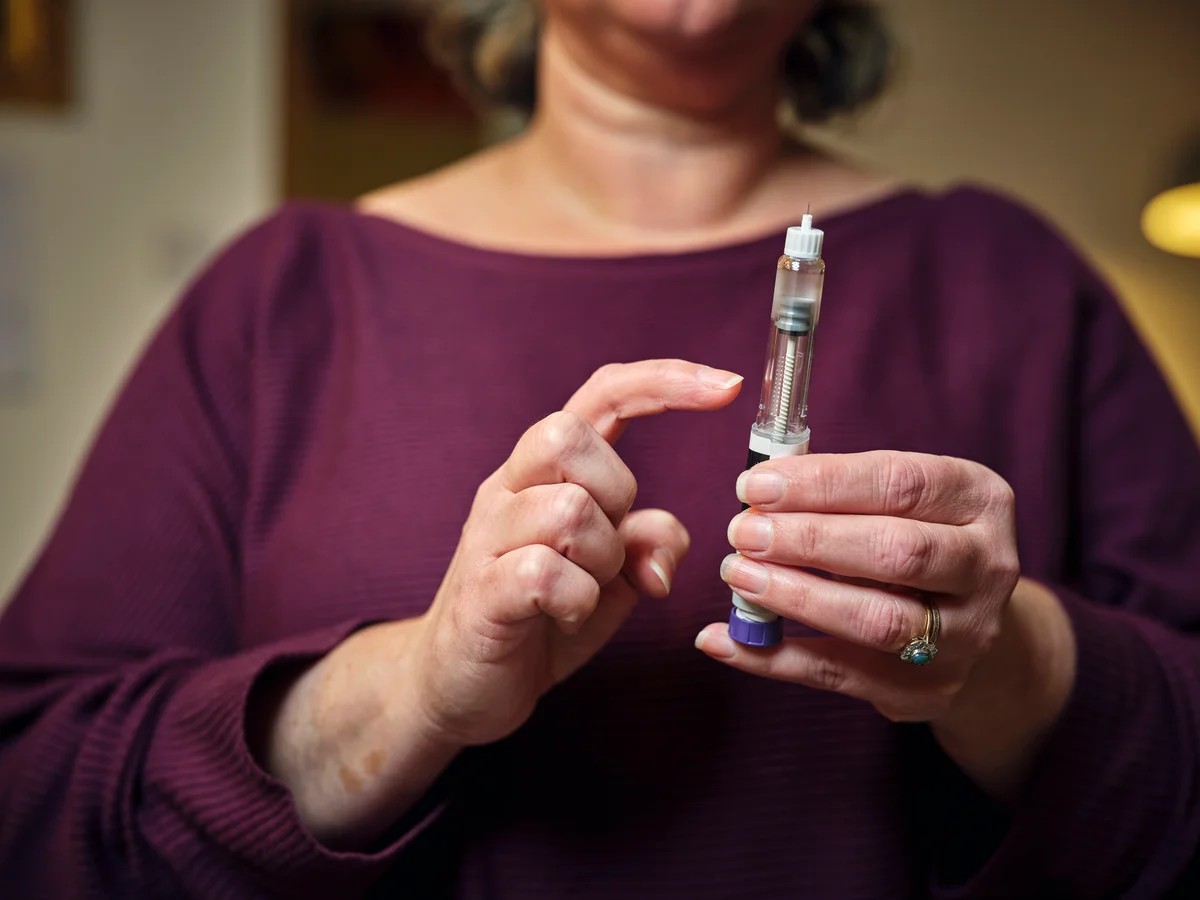
We have more than 1 in 10 adults using GLP-1 receptor agonists like Wegovy and Zepbound. These drugs work. They curb appetite, slow digestion, and trigger weight loss. But as prescriptions skyrocket, the demographic is shifting. It isn’t just 40-year-olds on TikTok trying to shrink waistlines anymore. Older adults are joining the ranks in massive numbers.
Now, the political machinery is kicking into high gear. Last week, the Trump administration announced the Medicare GLP-1 Bridge Program. This new initiative caps the cost of three major weight-loss meds—Wegovy, Zepbound’s KwikPen formulation, and Foundayo—at just $50 a month.
On the surface? Good news for the 38.9% of U.S. adults aged 60+ living with obesity. Cheap access to effective drugs sounds like a win.
But step back. Look closer. This move doesn’t just subsidize obesity treatment. It supercharges a risky, under-monitored trial of aging in a population where we know remarkably little about how these powerful hormones interact with frail bodies, complex medication lists, and declining organ function.
Why Elderly Patients Need Different Metrics Than 50-Somethings
For years, doctors lacked safe tools to treat obesity in seniors. GLP-1s were born as diabetes drugs. Their approval for weight loss was a logical extension, not necessarily a tailored solution for the gray-haired set.
Here’s the uncomfortable truth: clinical trials did not represent the patient at home. Alissa Chen, an obesity researcher and physician at Yale, notes that early GLP-1 studies excluded the very people most likely to need them now. Only about one in 10 trial participants was over 65.
That data gap is dangerous.
Consider two patients. Patient A is 68, active, plays tennis, and has sleep apnea. Patient B is 88, frail, barely eating, and teeters on the edge of falls. To the scale, they are both obese. To the clinician, they are entirely different beings.
“Eligibility doesn’t mean a benefit. We have to individualize,” says Ruchi Gaba, associate professor of endocrinology at Baylor.
Treating a healthy 68-year-old the same way we might treat an active 35-year-old is lazy medicine. Treating an 88-year-old requires navigating a minefield of comorbidities and polypharmacy.
How Do GLP-1 Side Effects Cascade in Older Bodies?
These drugs mimic the hormone GLP-1, signaling satiety after a meal. They slow gastric emptying. This delay creates the fullness we crave, but in seniors, it becomes a liability.
Gastric stasis isn’t just discomfort. It causes severe constipation. It triggers nausea and vomiting. In an older adult, that volume of lost fluids doesn’t just feel bad. It leads to dehydration. And dehydration in the elderly is a fast track to orthostatic hypotension—the sudden drop in blood pressure that causes dizziness and, yes, falls.
Already taking blood pressure meds? Good luck. The interaction amplifies the risk of a hip fracture. Already on sulfonylureas for diabetes? Your blood sugar could tank into hypoglycemia territory without warning.
And there’s the muscle mass issue. GLP-1-induced weight loss often pulls from lean tissue, not just fat. Muscle atrophy in a 75-year-old means less protection if a stumble occurs. Less independence when balance fails.
“We have to be more critical,” Chen argues. “What does weight loss get us at that age?”
Is success dropping 10 pounds? Or is success being able to play on the floor with a grandchild without knee agony? If losing that 10 pounds destroys the muscle mass needed to stand up, the treatment may be a net failure. Functional ability—not a BMI number—should drive the prescription.
The Trap of the $50 Monthly Bridge
The political rhetoric here is compelling. Affordable care for obesity. But the structure is fragile.
GLP-1 medications are intended for indefinite, long-term maintenance. Stop the drug, and the appetite returns. The weight usually comes back. This isn’t a course of antibiotics; it’s more like blood pressure regulation. You don’t “fix” high BP for three months and call it quits.
Yet the Trump administration’s Medicare program lasts only 18 months.
Imagine an 82-year-old patient whose heart benefits from a year of stable weight management, improved mobility, and reduced inflammatory markers. Suddenly, the subsidy ends. The cost spikes back to retail prices—hundreds or thousands a month.
They can’t afford to continue. They stop taking it. The weight rushes back, often worse than before, potentially exacerbating underlying cardiovascular disease or diabetes. This is a cycle of boom and bust that medicine rarely sees with such systemic frequency.
Do GLP-1s Actually Add Years or Just Subsidize Fat?
Proponents argue that because obesity drives disease, treating obesity extends life. In patients under 65, or those with specific comorbidities, some analyses show a reduction in cardiovascular events and potentially lower all-cause mortality on GLP-1s compared to placebo.
But direct evidence for lifespan extension in the frail elderly? There is none.
Moreover, the dropout rate is brutal. Side effects impact roughly 40% of users. For seniors, these are not manageable inconveniences; they are reasons to quit. And when they quit, the physiological rebound can be severe.
Chen warns that if that regained weight arrives without a concurrent strategy to rebuild muscle—via resistance training and higher protein intake—the body composition post-drug will be worse than baseline. More adiposity. Less support structure. Higher risk.
Lifestyle intervention remains the gold standard for seniors, yet we’ve abandoned it for pharmacological shortcuts. We know exercise preserves muscle. We know it improves cardiovascular fitness. It does the heavy lifting of aging. GLP-1s can accelerate the descent of weight, but they don’t ensure the quality of what remains.
We are subsidizing a solution to a complex biological problem while ignoring the maintenance protocol required to make that solution sustainable. The drugs work. The economics are tempting. But prescribing them to an aging, frail population with a temporary, cliff-edge funding model feels less like healthcare and more like gambling with our elders’ independence.