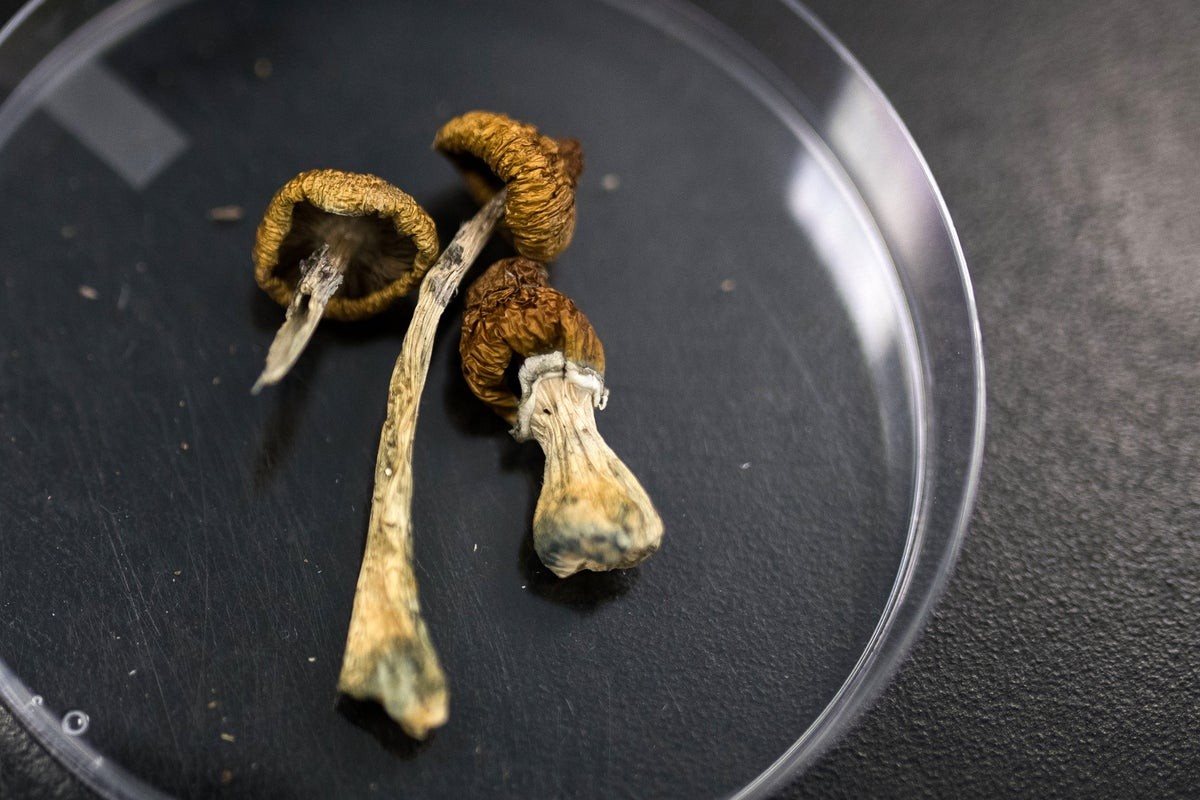
A recent executive order from President Donald Trump aims to fast-track the study and potential medical application of psychedelic substances. By directing the administration to evaluate these drugs for therapeutic use and allocating $50 million to support state-level research, the order marks a significant shift in how the U.S. government approaches substances traditionally viewed through a lens of prohibition.
Breaking the Regulatory Bottleneck
For decades, research into substances like psilocybin (magic mushrooms), MDMA, LSD, and ibogaine has been stifled by their classification as Schedule I drugs. Under current federal law, this designation implies that a substance has a high potential for abuse and “no currently accepted medical use.”
This legal categorization creates a massive hurdle for the scientific community:
– Legal Risks: Federal criminalization makes the possession and handling of these substances a high-risk endeavor for researchers.
– High Costs: The bureaucratic red tape required to study Schedule I drugs makes clinical trials significantly more expensive and time-consuming.
– Stagnant Innovation: Because of these barriers, very few psychedelic-assisted therapies have reached the market.
Experts suggest that if the administration moves toward formal FDA approval for even one of these substances, it will create a “domino effect.” As Alan Davis, director of the Center for Psychedelic Drug Research and Education at Ohio State University, notes, an approval would fundamentally change the requirements for scientists, allowing for more extensive research at a much lower cost.
A Response to a Mental Health Crisis
The push for new treatments comes at a critical time. The National Institutes of Health estimates that 15.4 million adults in the U.S. suffer from severe mental illness. Current standard treatments, such as SSRIs (selective serotonin reuptake inhibitors), are often ineffective or inaccessible for large portions of the population.
The need is particularly acute among specific demographics:
– Veterans: Suicide rates among veterans are nearly double those of the general population, highlighting a desperate need for effective PTSD treatments.
– Substance Use Disorders: Compounds like ibogaine —though noted for having serious side effects—show promise in treating addiction, making the $50 million in proposed state funding a vital resource for cautious, controlled study.
The Path Ahead: Promise vs. Caution
While the executive order provides a massive boost to scientific momentum, the road to medical integration remains complex. The medical community is currently navigating a “trial and error” phase; for instance, the FDA recently rejected MDMA as a treatment for PTSD, citing concerns over flawed research protocols.
The goal of this new directive is to move beyond these setbacks by providing the funding and regulatory clarity necessary to conduct higher-quality, more rigorous studies.
“If this executive order can help us to really push forward promising therapies more quickly, then I think that is a good thing.” — Frederick Barrett, Johns Hopkins University
Conclusion
By prioritizing psychedelic research through executive action, the administration is attempting to dismantle long-standing legal barriers to scientific discovery. If successful, this shift could transform the landscape of mental healthcare, moving psychedelic substances from the fringes of legality into the mainstream of clinical medicine.