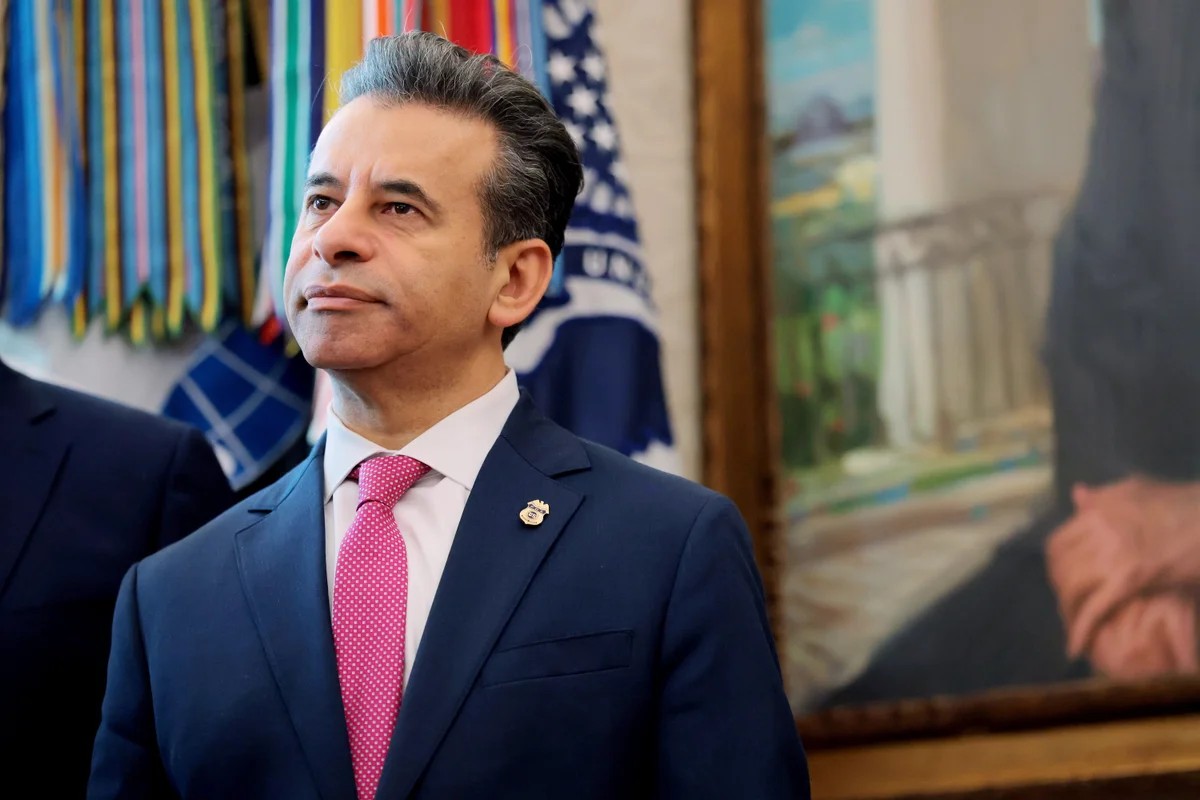
Martin “Marty” Makary, the surgeon and public health critic who led the Food and Drug Administration (FDA) under President Donald Trump’s “Make America Healthy Again” agenda, has resigned from his post. The departure follows reports that President Trump had authorized plans to dismiss him, signaling a sharp break between the commissioner and the White House.
A Rapid Turnover at the Helm
Makary’s tenure at the FDA was brief but intense. A former surgical oncologist at Johns Hopkins University, he was nominated by Trump in November 2024 and confirmed in March 2025. His appointment was seen as a pivot toward deregulation and a challenge to the public health orthodoxy that emerged during the pandemic.
Following his resignation, Health and Human Services (HHS) Secretary Robert F. Kennedy Jr. announced that Kyle Diamantas, an FDA food official, would serve as acting commissioner.
“The search for a new Commissioner is already underway, and we will move forward with urgency,” Kennedy stated on social media, adding that the agency’s work would continue “without pause.”
The Cracks in the Alliance
Makary’s exit appears to be the result of mounting friction with key figures within the Trump administration. While he was initially tapped for his vocal criticism of pandemic-era health policies, his regulatory decisions soon clashed with the ideological priorities of conservative allies.
Two major issues seem to have precipitated his departure:
- Abortion Access: Makary faced backlash from anti-abortion advocates after revealing that while he had the authority to interfere with the approval of generic mifepristone (the abortion pill), he chose not to. This decision alienated hardline elements of the base that expected him to block access to reproductive drugs.
- Vaping Regulations: Tensions also rose over the FDA’s recent approval of flavored vape products, which had been banned since 2019. According to reports, Makary was reluctant to approve these products but ultimately bowed to political pressure. The New York Times reported that he stepped down specifically over this decision.
A Legacy of Regulatory Shifts
During his short time in office, Makary oversaw significant changes to FDA protocols and public health guidelines. Critics argue that these moves undermined scientific consensus in favor of industry-friendly policies.
Key actions under his leadership included:
- Replacing Expert Panels: Independent expert advisors were reportedly replaced with individuals holding contrarian views and strong ties to the pharmaceutical industry.
- Deregulation Efforts: Makary removed the “black box” warning on estrogen for menopausal women, banned artificial food dyes, and rejected the use of leucovorin as an autism treatment (though it remains approved for a rare genetic condition).
- Over-the-Counter Access: He frequently suggested moving many prescription medications to over-the-counter status, a move that would significantly alter patient access to care.
Questions for the Future
The resignation raises urgent questions about the stability and scientific integrity of the FDA under the current administration. The agency recently faced criticism for rejecting a promising melanoma treatment despite clear evidence of its efficacy, leading observers to question whether political considerations are overriding medical data.
Why this matters: The FDA is one of the most trusted institutions in global public health. Rapid leadership changes, combined with reported clashes over scientific decisions, suggest a period of instability. For consumers and the medical community, the immediate concern is whether future regulatory decisions will be driven by evidence or political ideology.
As the search for a new commissioner begins, the agency faces the challenge of restoring confidence in its independence while navigating a highly polarized political landscape.