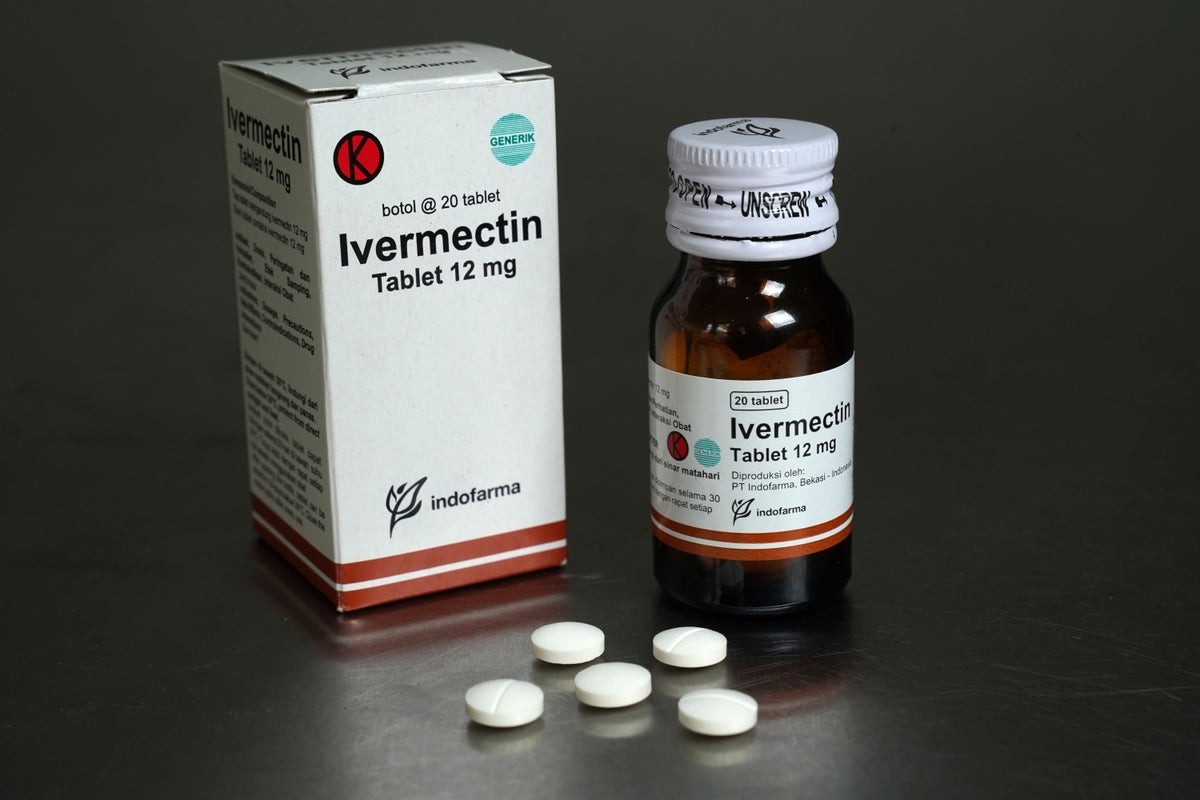
A recent study has highlighted a striking correlation between celebrity influence and medical behavior: prescriptions for ivermectin surged significantly in the six months following actor Mel Gibson’s appearance on The Joe Rogan Experience. During a January 2025 episode, Gibson claimed that ivermectin and fenbendazole—an antiparasitic drug commonly used in veterinary medicine—had cured cancer in three of his friends.
This anecdotal endorsement triggered a measurable shift in prescribing patterns, raising urgent questions about the intersection of digital media, celebrity culture, and evidence-based medicine.
The Data Behind the Spike
The study analyzed prescription trends from January 2025 to July 2025, comparing them against the same period in 2024. The findings reveal a dramatic increase in demand for these specific drugs:
- Overall Prescriptions: Rates for ivermectin and benzimidazoles (the class of drugs including fenbendazole) doubled compared to the previous year.
- Cancer Patients: The increase was even more pronounced among patients with cancer. By July 2025, prescription rates for this group were 2.5 times higher than in January 2025, relative to the 2024 baseline.
- Demographic Trends: The study noted that male patients, white patients, and those residing in the U.S. South were disproportionately likely to receive these prescriptions.
Scientific Reality vs. Celebrity Anecdote
While the public interest in these drugs has skyrocketed, the scientific consensus remains cautious. Ivermectin is a Nobel Prize-winning medication proven safe and effective against parasitic worm infections in humans. Fenbendazole, however, is not approved for human use and is strictly a veterinary drug.
There is currently no clinical trial evidence supporting the efficacy of either drug for treating cancer in humans. While some preclinical animal studies suggest that benzimidazoles might inhibit tumor growth, these findings are preliminary. In February, the National Cancer Institute announced it was investigating ivermectin’s potential anticancer properties, but researchers emphasized that this work is in the earliest stages. Any results derived from such research cannot yet be applied to patient care without rigorous human trials.
The Danger of Misinformation
The surge in prescriptions mirrors a pattern seen during the early days of the COVID-19 pandemic, when ivermectin was widely touted as a cure despite lacking robust evidence. Now, clinicians and researchers fear a similar cycle of misinformation is unfolding in oncology.
The study authors note that while their data shows a strong correlation, it cannot definitively prove causation. It remains unclear whether patients are replacing established, life-saving therapies like chemotherapy and radiation with these unproven alternatives, or if they are using them as complementary treatments. However, the trend underscores a broader vulnerability in the healthcare system: when institutional trust erodes, celebrity endorsements can fill the void, often with dangerous consequences.
“Protecting vulnerable populations from misinformation-driven deviations from evidence-based care requires coordinated action by clinicians, health systems, researchers, and policymakers.”
Conclusion
The spike in ivermectin prescriptions following Mel Gibson’s podcast appearance serves as a stark reminder of the power of digital influencers over public health choices. As unproven treatments gain traction through celebrity validation, the medical community faces the critical challenge of communicating scientific nuance to a public increasingly skeptical of traditional institutions.