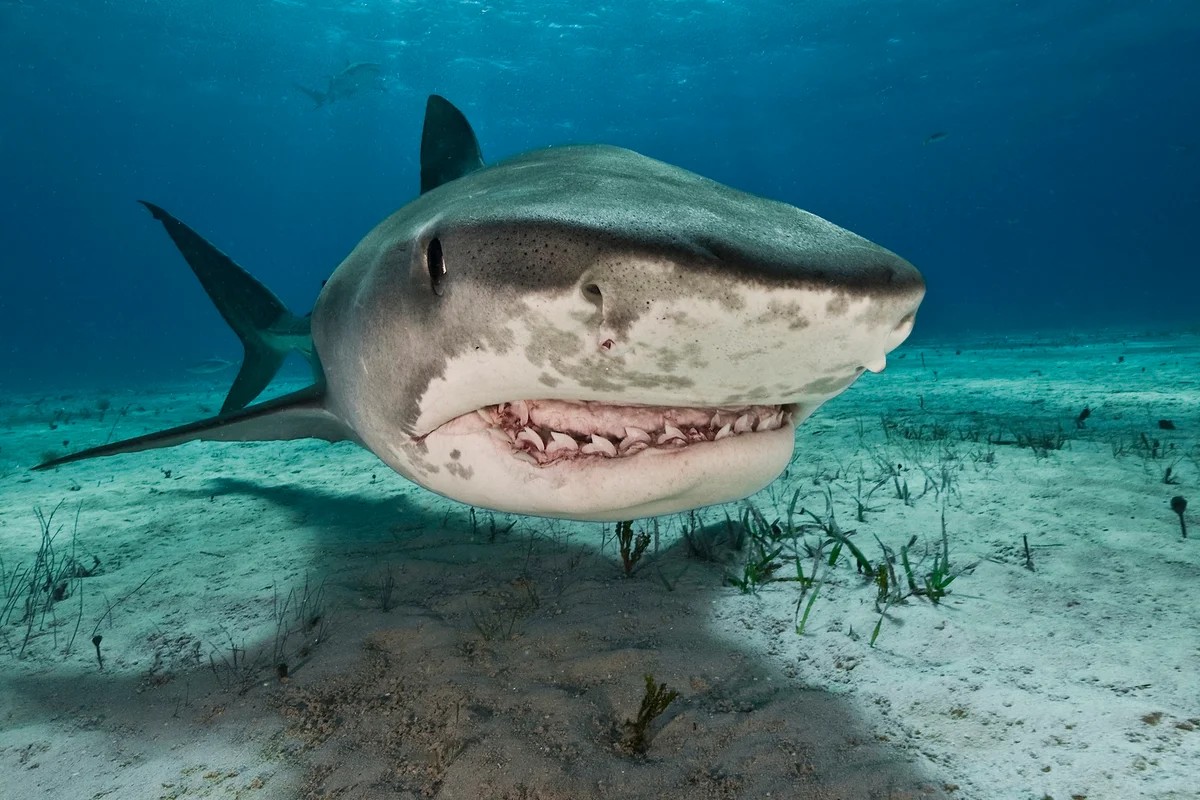
48 hours. One dead twelve-year-old boy. Four people bitten by sharks along Australia’s east coat last January. The sequence was brutal, yes, but it wasn’t random. Record-setting rain hit the day before the bloodshed began. Climate change isn’t just melting ice, it’s changing who bites whom when the sky opens up.
Charlie Huveneers, who runs marine research at Flinders University, admits we can’t pin every detail of that January cluster on one cause, but he doesn’t ignore the water. He suspects the rain concentrated the sharks at a specific, deadly time.
Here’s how the trap snaps shut:
– A deluge hits. In Sydney, it broke daily rainfall records.
– Sewage and waste flush from streets into the surf.
– Baitfish smell the food, they swarm.
– Sharks follow the feast. Closer to the shore.
It’s a dirty cycle. Tiger sharks, especially, show up after big rains, older studies suggest. Then there’s the mud. Sediment churns up, water turns murky. Sharks can’t see well in the fog, making them clumsy near people, which makes people easy targets.
Summer heat added fuel to the fire. Locals sought cooling swims. Bull sharks—the suspected culprits there—are already more active in warm months. Huveneers points out the grim math, it really just comes down to the overlap between people and predators.
So, what happens when this becomes the norm?
John Nielsen-Gammon at Texas A&M sees the writing on the wall. Warmer air holds more water. More water means heavier storms. Heavy storms mean more runoff into the ocean. It’s a straightforward chain, except for the sharks, who are complicated beasts.
Catherine Macdonald at the University of Miami warns we still know surprisingly little about what actually drives a shark to snap. Climate change moves their plates around, yes. Rising temps shift migration paths, a 2022 study tracked tiger sharks creeping north along the US coast, but they don’t all agree on direction. Some might flee warming coasts while others lean in. And fresh rain water drops salinity, driving some species away even as others come closer.
Who knows how the balance tips?
The variables keep shifting under our feet.
Maybe the sharks adapt faster than we expect.