


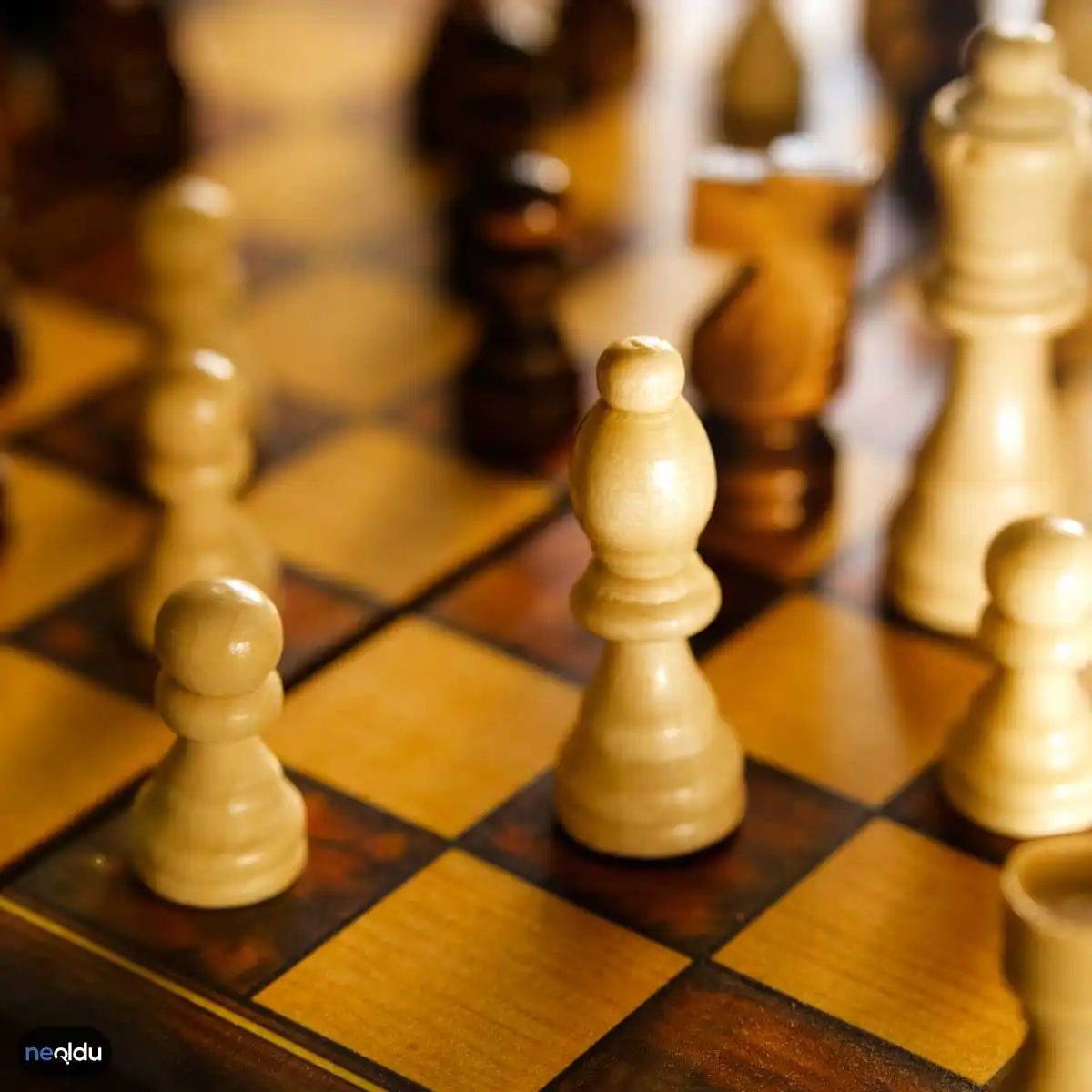
Chess is more than just a board game. It is a mental combat sport that dates back thousands of years but is still popular today. Why? Because every action requires sharp intelligence and strategic thinking. That’s why it attracts attention from many people, from small children to the elderly.
If you’re looking for ways to improve your thinking skills or just want to know what the hype is all about, you’ve come to the right place. We explain the game mechanics in detail. No fluff. Just facts about the movement of pieces and how the board works.
Board and regulations
Before you make a move, you need to know where the pieces go. The game is played on an 8×8 grid. A total of 64 squares in alternating light and dark colors. The setup rule are: The bottom right square of each player’s side must be a light square. If it’s dark, the board is upside down.
Each player starts with 16 pieces.
* One King
One Queen
* Two Rooks (castle-like tower)
Two Bishops
Two Knights (horse’s head)
Eight Pawns
The back row is in the back row. Rooks go in the corners. Knights sit next to them. The bishops followed. Then comes the Queen on her own color (white for white queens, black for black queens), and the kings are placed on the remaining squares. The entire second row is full of chess pieces. Simple. Symmetrical.
How to move chess pieces
Understanding the moves is the first step in playing chess. Each piece has a certain way of moving on the board.
- The Rook : Moves any number of squares horizontally or vertically. It’s a straight-line shooter.
- Bishop : Move diagonally. Always keep the original color. A bishop on a light square can never touch a dark square.
- Queen : The most powerful chess piece. She combines the powers of rook and bishop. She can move any number of squares in any direction.
- King : Move one space in any direction.
He is the most important chess piece, but also the most vulnerable.
Knight : The odd one out. It moves in an “L” shape. two squares in one cardinal direction in one cardinal direction (horizontally or vertically), and then one square perpendicular to that. Knights are unique because they are the only pieces that can jump over other pieces.
* Pawn : This is where it gets tricky. Pawns move forward one square at a time (unless this is their first move, in which case they have the option of moving two squares). They capture diagonally forward. They can never move backward.
Goals of the game
You might think that the goal is to capture the most pieces. It’s not. The goal is to checkmate the enemy King. A checkmate occurs when the king is attacked (“checked”) and no legal move to escape. If the attack cannot be prevented and the king cannot be moved,
From the beginning, chess has been a game of perfect symmetry. Both players start with the same strength. The goal is not just to move the pieces. The goal is to remove your opponent’s troops from the board according to the rules. Before you take action, you need to think about two questions. First, is this move a risk for me? Second, what can I really gain from this movement?
The battlefield is a chessboard with 64 squares. The squares alternate between two colors. Each player controls 16 pieces. One side plays with white. The other is black.
The logic behind chess settings
The arrangement of pieces is not random. The back row follows a certain order. Rooks go in the corners. The knight sat beside them. The bishop chased the knight. Next is the queen and king.
There is one important rule in placing the queen. If you play white, your queen moves to white. If you play black, the queen goes on a black square. People often remember this with the phrase “queen on her own color”. The king takes the rest of the squares.
A common mistake for beginners is the “Queen on her color”.
This setting is very important. It dictates the flow of the opening. Placing the queen incorrectly can be a waste of time. A misplaced rook in the wrong place can slow down its growth.
Why this is important for new players
Many beginners move their pieces in a hurry without checking the board setup. They get confused when their queen doesn’t fit the mold. I lost quickly because I couldn’t get the pieces to work together. Knowing where to start helps you plan ahead. You can see where each part belongs. You know what they control.
The symmetry of the chessboard means that neither side initially has an advantage. White moves first. It’s all about that little edge. Everything else is skill.
Checking the settings
Check the board before the game starts. Look at the last line. Are the rooks in the corners? Are the knights next to them? Is the bishop next to the knight? Is the queen on the right colored square? Is the king beside him?
Please fix if something is wrong. The right configuration can prevent confusion. It keeps the game fair. You can focus on your strategy.
The most common errors start with ###
Players often ignore the second rule of chess. They only focus on attack. They forgot about defense. A move that wins a piece but loses the king is bad. Even if you get space, it’s dangerous to expose the queen. Always weigh the costs and benefits.
The first moves set the tone. Poor setup leads to poor play. The right configuration leads to a clear plan. Arrange the pieces in order. Keep the king safe. Watch for threats.
What happens if you skip the Queen’s Square rule? The pieces collide. Your coordination breaks down. Fixing a mistake is wasted. Don’t let this happen. Check the board. The settings are correct. Then start playing.

Core mechanics and history
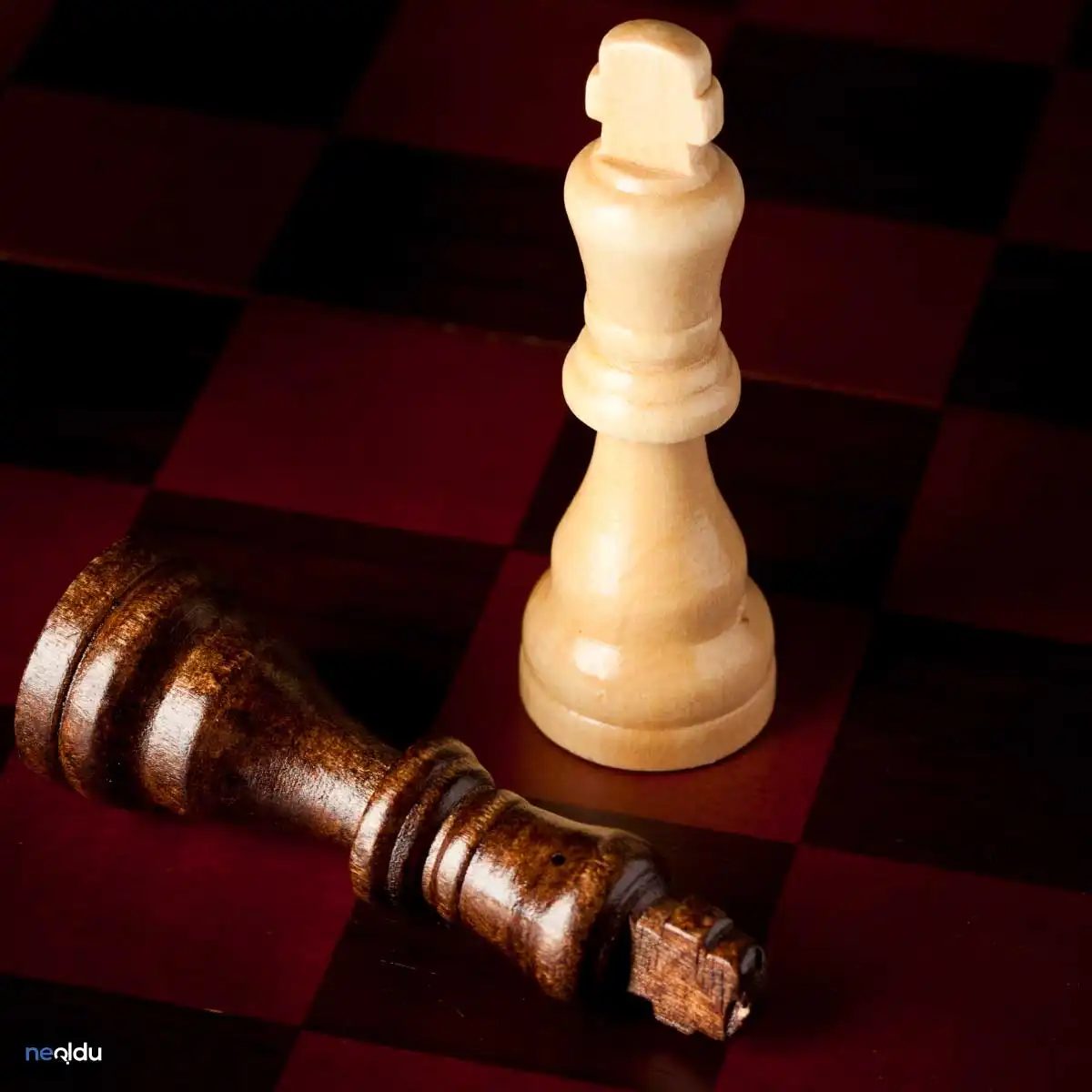
Chess is basically a battle between two players who control 16 pieces on an 8×8 grid. The skills don’t matter the color, but the goal is always the same. Checkmate the opponent’s king. This is an absolutely clear game. One wrong move and the whole structure collapses.
Although its origins are unknown, most historians trace the origins of the game to India. From there it’s a journey. It spread to Asia via the Middle East and eventually landed in Europe. Once it took root in the West, it evolved into the modern game we know today. Millions of people around the world are currently playing the game. International tournaments attract a large audience and receive extensive media coverage. This is more than just entertainment. It is a universal language.
Why do people play?
The benefits of playing chess extend far beyond the board. It forces you to think several steps ahead. Learn to plan. Develop problem-solving skills that can be applied to real-world challenges. Patience is non-negotiable. The focus should be clear. If you get even one detail wrong, you lose the game.
Who can play? Anyone. Age doesn’t matter. Gender doesn’t matter. The skill level is just a starting point. The board treats everyone equally. Grandmasters face the same basic rules as beginners. This accessibility makes it unique among strategy games.
The Pieces and Their Roles
To understand the game, you need to know its parts. Everyone has a specific movement pattern. This structure creates the infinite complexity of chess.
- The Pawn : The smallest pieces, but the most numerous. The piece moves forward one square. However, you can move 2 squares forward on your first move. They capture diagonally. Pawns are the backbone of any strategy. They control space and protect other parts.
- The Rook : Also called a castle. You can move any number of squares horizontally or vertically. Rook is very powerful for open files. If no pieces block their path, they dominate the board.
- Knight : The most unpredictable piece. Moves in an L shape. Two squares move in one direction and then one square perpendicular. Knights can jump over other pieces. This ability makes it deadly in crowded positions.
- Bishop : Move any number of squares diagonally. The bishop retains its original color. A bishop in a light square can never control a dark square. This limitation determines its strategic value.
- Queen : The most powerful chess piece. She combines the movement of the rook and the bishop. He can move horizontally, vertically and diagonally. Losing the queen usually means losing the game.
- King : The most important piece, but the least mobile. The king moves one space in any direction. The entire game revolves around defending the king. If the king is checkmate, the game ends.
Strategy and planning
Chess is more than just moving pieces. It’s about control. control center. Control of time. Control your opponent’s choices. Good players think about planning not just moves. They evaluate the location. They assess the threat. They look for weaknesses.
Openings are important. They set the tone for the game. Popular openings include The Italian Game, The Sicilian Defense and The Queen’s Gambit. Each opening has its own philosophy
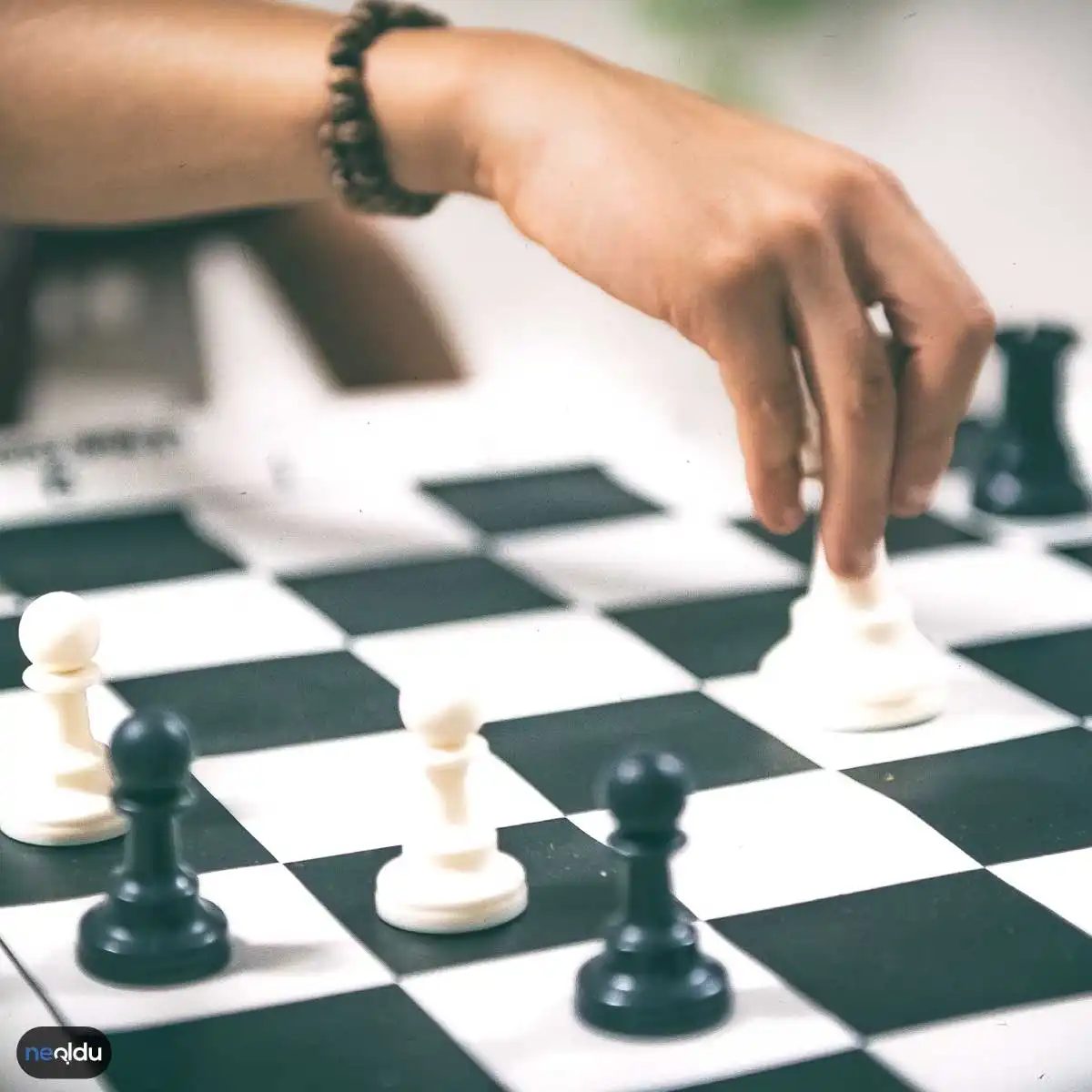
Chess may seem simple on the surface, but it is actually quite complex. There are only six types of pieces, but their interaction creates almost unlimited possibilities. The foundation of any strategy is understanding how each piece moves and where to start. If you make a wrong move, the game will crash before it actually starts.
Let’s break down the army, starting with the most important parts.
King: Not strong, but target.
Everyone talks about the power of the queen, but the king is the whole reason to play the game. Without him, the game would not be possible. Technically, he is the weakest piece on the board because he can only move one square in any direction: forward, backward, sideways or diagonally.
Despite his limited mobility, he is the ultimate target. Checkmate him and you win. If you lose him, you lose too.
Each player has only one king.
* White King: Begins e1.
* Black King: Starts e8.
Why did he start in the middle of the back row? This is a balance between security and development. He needs protection and needs to be able to castling, a special move that allows him to be safely tucked away. But don’t use him as a pawn. Move him only if necessary. Hide him until the end of the game.
Queen: Board Control
If the king is the target, the queen is the weapon. She combines the Rook and bishop moves. He can slide any number of squares horizontally, vertically or diagonally.
She doesn’t jump He doesn’t stop until he hits a piece or the edge of the board. If the piece belongs to your opponent, she captures it by landing on this square. If it’s your piece, he would stop in front of it and block your path.
- Power ranks: Highest non-King piece.
- Starting position: d1 is white, d8 is black.
Note that he starts on her own color (white queen on white square, black queen on black square). This is not just a tradition. This is a visual guide. Helps you quickly get oriented. What are the most common mistakes beginners make? It’s too early to moving the Queen out. Yes, he is strong. Yes, you can harass the enemy with her. But he is also a target. If he is chased by small pieces across the board, you’re wasting turns while your opponent develops. Place him behind the pawn line until the center is under control.
Rook: Linear tank
Rooks are straightforward. As long as the path is clear, they move in a straight line forward, backward, left, right, as far as they want. Land on your opponent’s piece and steal it.
It is very effective in the endgame of the game as it dominates the entire file and ranks. A rook on the seventh rank? This is usually a disaster for the opponent’s pawns.
- Quantity: 2 per player.
- Starting position: a1 and h1 for White. a8 and h8 for Black.
The corners. Why the corners? Because they are the hardest to attack initially. They sat behind the pawns and waited. The key to Rooks is activity. A rook on the edge of the board is half as useful as a rook on an open file. Move the queen out of the way and connect two rooks to form a “battery” that can dominate the board.
Knight: The only jumper
The knight broke the rule of sliding pieces. Moves in an L-shape. In other words, two squares move in one cardinal direction (horizontally or vertically), and then one square moves perpendicular to that direction.
This allows you to jump over other pieces. That’s its superpower. Pawns, Bishops, Rooks and even queens are all blocked. A knight doesn’t care what stands in its way. Jump over obstacles like a frog.
- Starting position: b1 and g1 for White. b8 and g8 for Black.
Knights are often mistakenly believed to be weaker pieces because they control fewer squares than bishops and rooks. But it was a tactical nightmare. Attack a square that other pieces cannot reach. It forks easily. discovers checks effortlessly. Learn to see the “L” in your mind. If you count the squares in a straight line, you’ll miss the Knight’s threat every time.
Bishop: Diagonal Sniper
The bishop moves diagonally to any distance if the path is clear. But here’s the problem.
Why chess is more than just a game
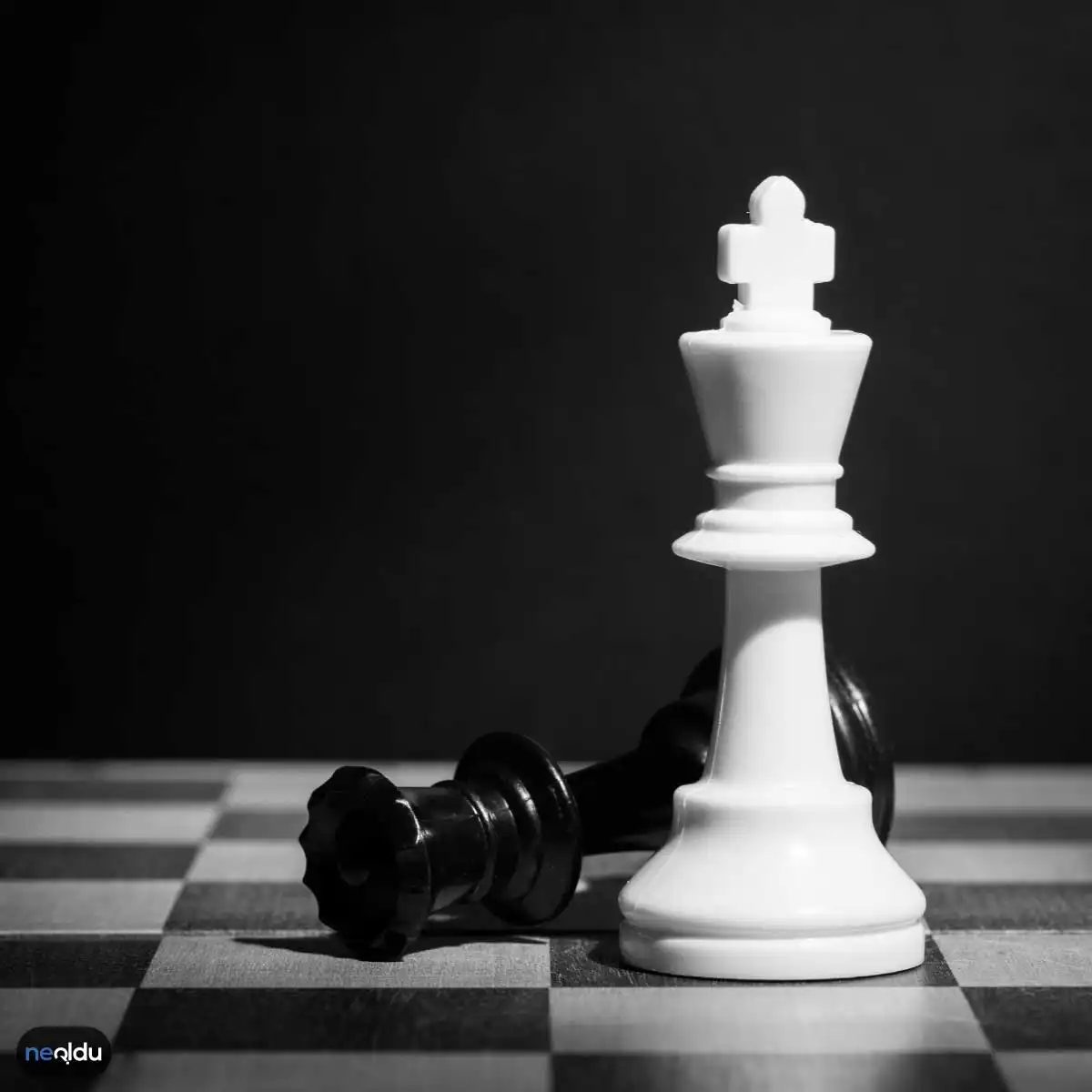
Chess is more than just a board game for strategy fans. This is a full body workout for the brain.
Think about it. Please sit down. you concentrate. You do the math. This is not passive. It forces you to keep your mind sharp. The benefits exceed only 64 squares.
Improve concentration
Moving from one place to another requires a lot of concentration. You can’t fantasize. If you lose focus, you lose a piece. Requiring constant mindfulness trains your brain to stay awake. It keeps your mental energy high.
Better Problem Solving Skills
Each action is a puzzle. You have to outplay your opponent. You plan moves to take their pieces or checkmate their king. This process strengthens strategic thinking. This helps us better solve complex real-world problems.
Strategic vision
You can’t just react. You have to predict. Chess forces you to look ahead. Guess what your opponent is doing. Then plan a counterattack. This way of forward-thinking is valuable.
Social Connect
You can play alone. But chess also shines in social situations. Have fun with your friends. Enjoy it with your family. you learn to cooperate. Learn to compete. Build social bonds while sharpening your mind.
Reduce stress
Life is noisy. Playing chess is quiet. The intensity of the game completely captures your attention. Other worries also disappear. When you play the game, you don’t think about the bill. You’re thinking about the knight This is a form of active meditation.
Moving chess pieces: the basics
Knowing the rules is the first step.
** The Pawn **
Pawns move one square forward. On your first move, you can move 2 squares. They capture diagonally. Nothing else. they are infantry.
The Knight
The knight moves in an “L” shape. There are two squares in one direction and then one square perpendicular. Or two on the side and then one in front. This is the only piece that can jump over other pieces.
Queen
The queen is the most powerful chess piece. He combines the actions of the bishop and rook. He can move any number of blocks vertically, horizontally or diagonally. Control center, control the game.
Outside the mat
Checkmate is a classic win. But that’s not all.
Time Loss
You win when your opponent runs out of time. In a chess clock, this is a real threat. It can put them in a situation where they cannot make enough moves in time. This is a psychological and tactical victory.
Understanding Draws
A tie, or sometimes called a “remi”, occurs when neither side wins. It’s not necessarily a stalemate.
There are three main ways to draw:
1. Stalemate: Players on their turn have no legal actions, but are not in check.
2. Insufficient Material: Neither player has enough pieces to force checkmate (eg king vs king or king and bishop vs king).
3. 50 move rule: If 50 moves pass without a pawn move or a piece being captured, either player can claim a draw.
The importance of an open strategy
Does the start matter? Yes. Critical.
The opening ceremiony laid the groundwork. A good start puts you in a better position in the mid game. A bad opening makes it vulnerable. It’s not just about moving pieces around randomly. You create the foundation. A sturdy opening gives you control. it gives you a choice. You get a sense of security as the game progresses.
What next?


