


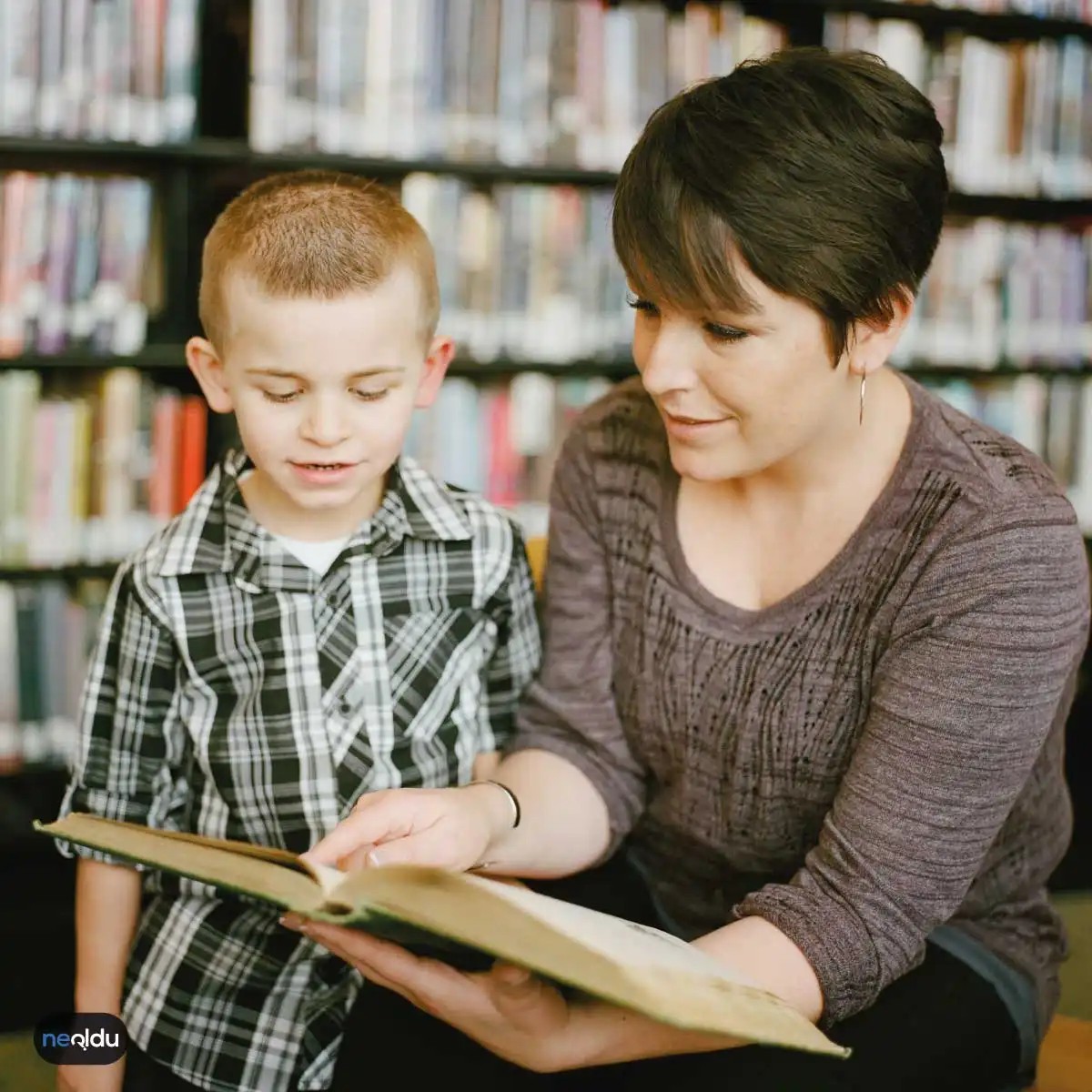
Every relationship has friction. The dynamic between educators and learners is no different. When things get rocky, it’s not just an inconvenience. It’s an obstacle to learning. That’s why it’s so important to take the time to repair and strengthen these connections. The goal here is simple. We want the classroom to be a place where participation is natural, not forced. By focusing on the right strategies, we can help students find joy in their education. We can make the process efficient. Ultimately, we can help our students get more out of every lesson.
Why positive connections matter
“A strong connection between teacher and student is the foundation of effective learning. Without it, the message gets lost in the noise.”
Students cannot be expected to thrive if they are unseen or misunderstood. The importance of positive teacher-student relationships is much more than just getting along. It’s about building a psychological safety net. When students trust their teachers, they take risks. They ask “stupid” questions. They engage with difficult material because they know their teacher has their back.
Research consistently shows that stronger connections improve academic performance. But it’s not just about grades. It’s all about retention. It’s about the student remembering their teacher as their mentor even after final exams.
Consider the alternatives. A cold, distant classroom environment can cause anxiety. Anxiety kills curiosity. When students are afraid of making mistakes, they shut down. They stop participating. As a result, teachers can become frustrated and may become frustrated, leading to a vicious cycle.
Breaking this cycle requires intention. It doesn’t happen by accident. This requires specific actions from both parties.
How to improve teacher-student relationships
So how do you fix broken link? Or better yet, how to build one from scratch?
1. Consistency is key
Students need to know what to expect. Unpredictable teachers, sometimes friendly and sometimes strict, can cause instability. Stability builds trust. Show up on time. Make expectations clear. Follow through on promises.
2. Active listening
Most people listen to respond. Teachers need to listen to understand. Put your phone away when the student is speaking. Make eye contact. Acknowledge their point before making any corrections. This simple act validates their presence in the room.
3. Personalize Interactions
Learn their names. Remember their interests. Ask about their weekend. It sounds simple, but it humanizes teachers. It transforms the teacher from an authority figure into a supportive guide.
4. Encourage participation
How do you involve your students? Start small.
- Use open-ended questions.
- Create low-stakes speaking opportunities.
- Celebrate effort, not just correct answers.
When students see that their voice matters, they engage. They become active participants in their own learning journey.
The Role of the Student
Of course, not everything depends on the teacher. Students play an important role in shaping this relationship. If students aren’t respectful or engaged, no amount of teacher effort will bridge the gap.
Students should:
* Be prepared.
* Respect boundaries.
* if they are struggling, communicate openly.
* Give teachers the benefit of the doubt.
Relationship is not just a word, it is the backbone of the dynamics in the classroom. The bond formed between student and teacher shapes a child’s educational journey. When this bond is established correctly, motivation increases. Attitude changes. The probability of success increases.
When students feel safe, their behavior changes. It becomes easier for them to actively participate in the classroom. They don’t hesitate to ask questions. They have the luxury of asking for help when they are struggling. This speeds up the learning process.
How to Build a Relationship?
A friendly and understanding teacher nourishes the student’s self-confidence. This nutrition is directly reflected in academic performance. The student feels valued. He dares to take risks. He is not afraid to try new experiences.
This environment fuels creativity. It keeps curiosity alive. In fact, it plants a seed of love for learning that can last a lifetime. There is one point to remember: Learning takes place not only in textbooks, but also in relationships.
Supporting in Difficult Times
Life is not easy. Obstacles arise. Difficulties come. A strong student-teacher relationship is like a compass in these dark tunnels. If the student is tempted to withdraw, the teacher holds him back.
The teacher is invested in the student’s well-being. He focuses on his success. Provides the necessary diagnosis. This support enables the student to persevere. It helps him overcome the urge to give up, which is the biggest obstacle to reaching his full potential.
Why Is It So Important?
A positive relationship alone does not guarantee academic success. But it makes it possible. It is equally necessary for personal development. The student builds not only his grades but also his character.
When teachers make this effort, it leaves a deep mark on their lives. Every interaction in the classroom can help a student see his or her potential. The beginning could be a small smile. The next question. The answer that came next. The knock-on effect leads to major changes.
3. Effective Communication in Student-Teacher Relations
If communication breaks down, learning stops. This simple truth is repeated every day in the classroom. A good relationship alone is not enough. A feeling of being understood is also required. So is this happening? Usually no. Students sometimes cannot clearly express what they think. Teachers sometimes cannot convey their messages clearly. This gap is where misunderstandings and loss of motivation arise.
Effective communication means listening, not just talking. Active listening makes the student feel valued. This feeling allows them to take academic risks. They ask questions without fear. They prefer to try to experience.
Why Open Communication Transforms the Learning Environment?
Open communication reduces uncertainty. Students know what to expect. Knows when to get feedback. This uncertainty is the main source of anxiety. When anxiety is high, the brain cannot focus on learning. Instead he becomes defensive. Open dialogue brings down this shield. It builds trust.
The goal for teachers is to provide one-way instruction. Instead, it should be a mutual conversation. Questions must be asked. Responses must be heard. This process takes time. It requires patience. But the result is indisputable. A deeper connection. A stronger learning foundation.
Concrete Steps to Strengthen Communication
Theoretical concepts can be confusing. Let’s look at more concrete methods. These are practices that can be applied immediately in the classroom setting.
- Regular Feedback Loops: Give ongoing mini-feedback rather than one-off notes. When you proofread an assignment, don’t just mark true/false. Explain why it is wrong. Show how it can be fixed. This helps the student track their progress.
- Active Listening Techniques: When the student speaks, do not look at your phone. Make eye contact. Don’t rush with another thought. Summarize what he said in your own words. “So that’s what you meant, right?” An affirmation like this makes you feel heard.
- Creating a Zero Judgment Area: When criticizing, focus on the behavior, not the person’s character. Instead of “You are essential,” say “We had a problem with this deadline.” This distinction disables defense mechanisms.
- **Use Different Communication Channels
4. The Role of Trust in Student-Teacher Relationships
Trust does not stand alone. It is built. The important thing is to create a space where students can express their own ideas. Just talking is not enough. It’s just as important to listen to what they say. This two-way process establishes the essential connection within the classroom. Understanding improves. Prejudices decrease.
It is necessary to keep the rules of communication clear. Avoid statements that create ambiguity. It should be whatever you say it is. Your actions should also match your words. The student is relieved when he knows what to expect. When the confusion clears up, your message is truly heard.
Criticism is not always the solution. Conversely, sometimes doors close. It is more effective to use positive language instead. “Why didn’t you do that?” instead of “How can we improve this?” Asking ‘opens a different door. The focus should be on efforts, not shortcomings. Successes must be seen. Praise should be deserved not just for the results but for the process itself.
Personal boundaries should not be violated. Being distant does not mean coldness. Respect starts with protecting boundaries. Respecting the student’s privacy ensures that he or she respects you. Do not allow behaviors that try to exceed your boundaries. Trust can only grow within this framework.
So where does this borderline begin?
Clarity can scare, but uncertainty does more harm. If the student knows what you are thinking, it reduces the fear of making mistakes. If you’re going to give feedback, give it constructively. Instead of just pointing out mistakes, point out what went right. Striking this balance can be difficult. It is even more difficult to maintain constant balance. But the starting point is always being open and honest.
Trust is the backbone of classroom dynamics. A strong bond between students and teachers fosters not only peace but also learning. In this atmosphere, student participation increases. Motivation increases. As a result, academic achievement becomes better.
You don’t need to make one big move to build this trust. Small consistencies do the job. Your words must match your actions. If there is something you promise, deliver on it. Transparency replaces doubt. Students must know what they are in for.
In student-teacher relationships, trust comes before rewards or punishments.
Showing genuine interest is also an integral part of this process. Is their well-being really important to you? Ask questions. When listening to their answers, don’t just listen. Try to understand. Offer support if necessary. But there is a limit here. Respect privacy. Sharing personal information with others is an act that can instantly break down trust. Sensitive issues should remain behind closed doors.
Fairness is the guardian of this trust. Favoritism is the most immediate source of tension within the classroom. Every student should be treated equally and respectfully. Can it be difficult to be impartial? Yes. But it is inevitable.
5. Managing Conflict in Student-Teacher Relationships
Conflict is inevitable. It is a natural process. The problem is how it is managed. Rather than suppressing conflict, it is more effective to turn it into a learning opportunity.
Students sometimes react emotionally. Stay calm at this point. Don’t get defensive. The first step is to listen. Try to understand why he is angry or disappointed. Understanding their perspective depersonalizes the conflict.
Be solution focused. Get to the root of the problem. Who is at fault? Instead of asking, what went wrong? Focus on the question. Involve the student in finding solutions together. This shows that you respect them. Have them share responsibility for the problem.
Set clear boundaries. Behaviors must remain within acceptable limits. However, these limits should be flexible. It may vary depending on the situation. Observe the student’s emotional state. Sometimes a short break can make things seem clearer.
Be constructive when giving feedback.
Conflict is a normal part of any relationship, and student-teacher relationships are no exception. However, it is important to manage conflict effectively to maintain a positive learning environment. Before resolving a conflict, understand what caused it. Take the time to listen to both sides of the story and try to identify any underlying issues. Open communication is the key to resolving conflict. Encourage both parties to express their thoughts and feelings respectfully. Put yourself in the other person’s shoes and try to understand their perspective. Show empathy and try to find common ground.
6. Establishing a Supportive Classroom Environment
The main thing is to prepare the ground before conflict breaks out. How to establish a teacher-student trusting relationship? This isn’t just about politeness. It’s about creating a space where the student is not afraid to make mistakes and is not ashamed to ask questions.
Conflicts often arise not from misunderstandings, but from disconnection. If the student feels unheard, he becomes defensive. The teacher, on the other hand, feels as if his instruction has been rejected. Here are concrete steps to break this cycle:
Close the feedback loop.
Just giving grades is not enough. “Why did I get this note?” The answer to the question ensures that learning continues. For example, if a student completed an assignment incompletely, instead of just writing “unsatisfactory,” point out what part is missing and how it can be corrected. This is perceived as guidance, not criticism.
Set the rules together.
Resistance increases when the rules of classroom behavior are unilaterally ordered by the teacher. In the first week, we asked the students “How do we want to be in the classroom?” Speak. When they write down the rules to say, they are less likely to break them. Because this is a contract in which they also have a say.
Set personalized goals.
Not every student has to meet the same standard. A student may excel in literature while struggling in mathematics. The conflict is mostly “why are you comparing me to others?” It arises from the question. Personal goals by which the student measures his or her own progress transform competition into cooperation.
“A student’s behavior is often a reflection of a lack of communication.”
This approach forms the basis of conflict-preventing classroom management strategies. The student values himself
7. The Effect of Student-Teacher Relationships on Learning and Academic Success
When teachers are able to engage beyond the classroom, the feeling of safety increases for students. This isn’t just about feeling good. Student-teacher relationships are the cornerstone of learning. On safe ground, the brain becomes ready to take risks. The fear of making mistakes decreases. Feedback is viewed as a tool for improvement, not a defense mechanism.
Why are some teachers more effective?
– Emotional bond : The student feels seen as an individual.
– Clear expectations : Transparency of rules and boundaries.
– Empathy : Effort to understand difficulties.
This dynamic directly affects academic success. The stronger the relationship, the higher the participation. Students participate more actively in lessons where they feel valued. They don’t hesitate to ask their questions. They do not hesitate to share their contributions.
Ways Teachers Build Strong Relationships
Trust is not built all at once. It is the sum of small daily interactions.
1. Mentioning the name : Remembering the names of the students from the first days.
2. Active listening : Establishing eye contact during the conversation and listening without interruption.
3. Feedback balance : Proportioning criticism and praise correctly.
4. Transparency : Explaining the grading and evaluation criteria from the beginning.
These steps deepen teacher-student interaction while keeping it within professional boundaries. When students realize that the teacher truly cares about them, motivation becomes internal. Instead of external pressure, a desire to learn arises from within.
What Happens When a Relationship Breaks Down?
Loss of confidence freezes learning. If students feel like they are about to be criticized, they become quiet. Participation decreases. Grades drop. This cycle doesn’t just affect academic performance. It also negatively affects the student’s general attitude towards education.
Is it possible to repair the relationship?
Yes. Open communication, apology, and consistency can rebuild broken trust. Teachers’ admission when they make mistakes shows model behavior. Students learn more freely in an environment where perfectionism is not dominant.
The student-teacher relationship is not a choice, it is a need.
This dynamic, stay in class
8. Tips for Improving Student-Teacher Relationships
To summarize this part: connecting is not a luxury, it is a learning tool. Research says this clearly. A positive relationship directly increases student motivation and classroom participation. Academic success is shaped not only by intelligence or effort, but also by assurance.
What changes when a student feels his or her value? He is less afraid. He becomes less defensive. His interest in lessons increases. He does not feel obliged to make extra effort to achieve his goals. There is already a push in it.
Think about it in reverse. What if the relationship is broken? Performance drops. Well-being worsens. This is not just a matter of feeling. It is a biological stress response. Cortisol rises. The brain goes into “danger” mode. Learning is blocked.
So how do we fix this? Or rather, how do we set it up?
Small steps for the student:
Start by taking responsibility. Submitting your assignments on time may seem like a simple gesture, but it is a big signal. It’s like saying “I respect your efforts.” Be active in the classroom. Ask questions. Don’t be afraid of giving the wrong answer. Teachers tend to give extra attention to students when they see effort.
Responsibilities for the teacher:
Every student has a story. Knowing their names is the most basic step. Facial recognition delivers the message “I see you.” Focus criticism on the behavior, not the person. Say, “There is something missing in this assignment.” Don’t say, “You’re being lazy.” The difference is big.
How to interact?
Set clear communication rules. Asking for feedback takes courage but is a necessary skill. Student: “I don’t understand this topic, can you explain more?” How does the teacher respond? A patient and supportive answer builds trust. Once a safe space is established, the student begins to take risks. Taking risks is the heart of learning.
Education is not a one-sided transfer of information. It is a shared journey. Who is your neighbor on this journey? Who carries you? Your teacher. When you’re safe in that seat, it’s easy to accelerate.
9. Understanding different learning styles is important
Trust is the foundation. Students need to trust that their teachers are on their side. It’s not just about grades. It’s about support. However, trust is not born in a vacuum. It requires listening. Real listening. Don’t just wait your turn to speak.
This brings us to a perplexing fact. No two brains work the same way. One size does not fit all.
9. The importance of understanding different learning styles
We’ve all heard this phrase before. You may be a visual person. Your friend is auditory. Another classmate learned by doing. These are learning styles. Acknowledging this diversity is not only a good thing. This is essential for effective teaching.
Why one size does not fit all
Traditional classrooms often prioritize one type of learner over others. Usually visual-linguistic. Read, write, repeat. However, this leaves many students behind. There will be friction. Students feel slow. The teacher feels frustrated. Relationships deteriorate.
When teachers understand different learning styles, they can adapt. They don’t just lecture. They show a diagram. They let students build a model. They play clips. This variety keeps engagement high. It can reduce anxiety. Students no longer feel that they are failing. They start to feel seen.
Practical steps for better targeting
How do we achieve this? It starts with observation. The teacher observes the students’ reactions. Do they get distracted during long talks? They might need a break. Are they restless? They might need movement. Do they struggle with text? Visual aids may be needed.
Students can also speak freely. This is embarrassing. But when you say, “I learn better when I see it,” that dynamic changes. It turns conflict into cooperation. Parents can also help here. Discuss this with your children. Ask them how they like studying. Then share it with your teacher. This is not a complaint. This is advocacy.
Build a responsive environment
A highly responsive teacher may not be able to master all styles. They just need to know the basics. Mix methods. Use diagrams. Discussion is allowed. Provide handouts. This does not mean fulfilling every whim. It’s about accessibility.
“When students know that their learning style is respected, they engage more deeply. They take responsibility for their own progress.”
This changes the dynamics of power. It’s less authoritative. More cooperative. The classroom becomes a laboratory. It’s not a prison. Mistakes become data. It’s not a failure.
Where do I start?
Start small. Pick one unit. Try different approaches. See what sticks. If it works, keep it. If not, drop it. Experimentation is the key. There is no perfect formula. Only better understanding.
The goal isn’t to label students. It’s to unlock them. When teachers do that, motivation increases. Grades follow. The relationship strengthens naturally. Because at the end of the day, students feel understood. Not just taught.
Students don’t come from uniform boxes. Each of them is an individual with different learning dynamics. Teachers’ awareness of this diversity not only increases grades but also increases motivation. Why? Because understanding different styles makes it possible to customize the material for that person.
Learning style isn’t just about how you take in information. It also includes how you stay motivated and what you do after processing information. For visual learners, images, graphs and presentations are a savior. Those who are kinesthetic cannot sit still. It moves, it touches, it experiences. The best lesson for them is the active one.
Ensuring Active Participation in the 10th Grade
Participation is very different from passive watching. The student’s mind must be busy. Here are ways to achieve this:
Use Multi-Sensory
Don’t trust just one sense. Combine visual, auditory and tactile elements. When explaining a topic, don’t just talk. Show a diagram. Also give me a concrete object. The brain remembers information better when it enters through more doors.
Include Motion
Don’t forget kinesthetic students. Don’t expect them to stay where they are. Say, “Stand up.” Change locations for group work. Even a simple role-playing activity breaks barriers. Movement accelerates blood circulation. It prevents sleep.
Ask a Question, Don’t Expect an Answer
Directly, “Do you understand?” Don’t ask. Nobody says yes. Instead, say, “Explain this concept in your own words.” Or “Are there two different solutions to this problem?” ask. Force yourself to think.
Feedback Loop
The more the student participates, the more he learns. But the quality of participation is important. Give in-depth feedback instead of superficial approvals. Instead of punishing mistakes, say, “I wonder how you think.” A trusting environment gives rise to bolder questions.
When creating a lesson plan, ask yourself this question: “Does this activity cover all styles?” If the answer is no, add. Find the missing piece.
Why your interests determine your curriculum
Students don’t show up with a blank piece of paper. They display habits, preferences, and a mental list of things that are important to them. If you ignore this, you will be fighting friction every day.
The fix isn’t subtle. This is structural.
Start by mapping your lesson to content that will actually capture your students’ attention. If your students are hooked on digital media, stop teaching them static texts. Build your course around content creation. If they care about local issues, turn their classroom into a town hall. This is not a simplification of the material. It’s about getting the material through the door they actually want to go through.
Once they are in place, value their output to keep them. Not just the correct answer, but also their perspective. Don’t dismiss students’ ideas that are slightly off-key, Think of it as data. Identify the logic behind it.
“Respect is the currency of commitment. Without respect, there is no agreement.”
Make them owners. Get them involved in the project. Let them lead some assignments. Accountability creates commitment because no one wants to let the team down.
What if they stumble? Give positive criticism Think of correction not as punishment, but as a bridge to a better outcome.
The architecture of trust and conflict
This is the confusing part. Knowledge transfer is easy. Relationships are difficult.
Strong teacher-student relationships are not based on grand gestures. These are built on micro-interactions. Listening. Really listening. Don’t just wait your turn to speak. This is to show that students’ opinions matter in the moment.
Communication must be precise. Timing is important. Too late feedback is useless. Feedback delivered aggressively is destructive. Please be clear. Let’s be fair.
Trust is the foundation. Without it, stress levels can skyrocket. Cognitive function decreases. Students in high stress environments don’t learn; they survive. Create a space where it’s okay to fail. It is not dangerous to ask “why”.
Conflicts will happen. They always do.
Don’t paper over them. Use them as training grounds. If a disagreement arises, guide the resolution rather than an imposing verdict. Teach me to express myself. Teach us to listen to each other. This is not just about keeping the peace. This develops problem-solving skills that last after graduation.
You don’t just teach the subject; You teach them to be with people who disagree with them. That skill? It’s priceless.
But can you really teach it without first trusting them enough to let them disagree with you?


