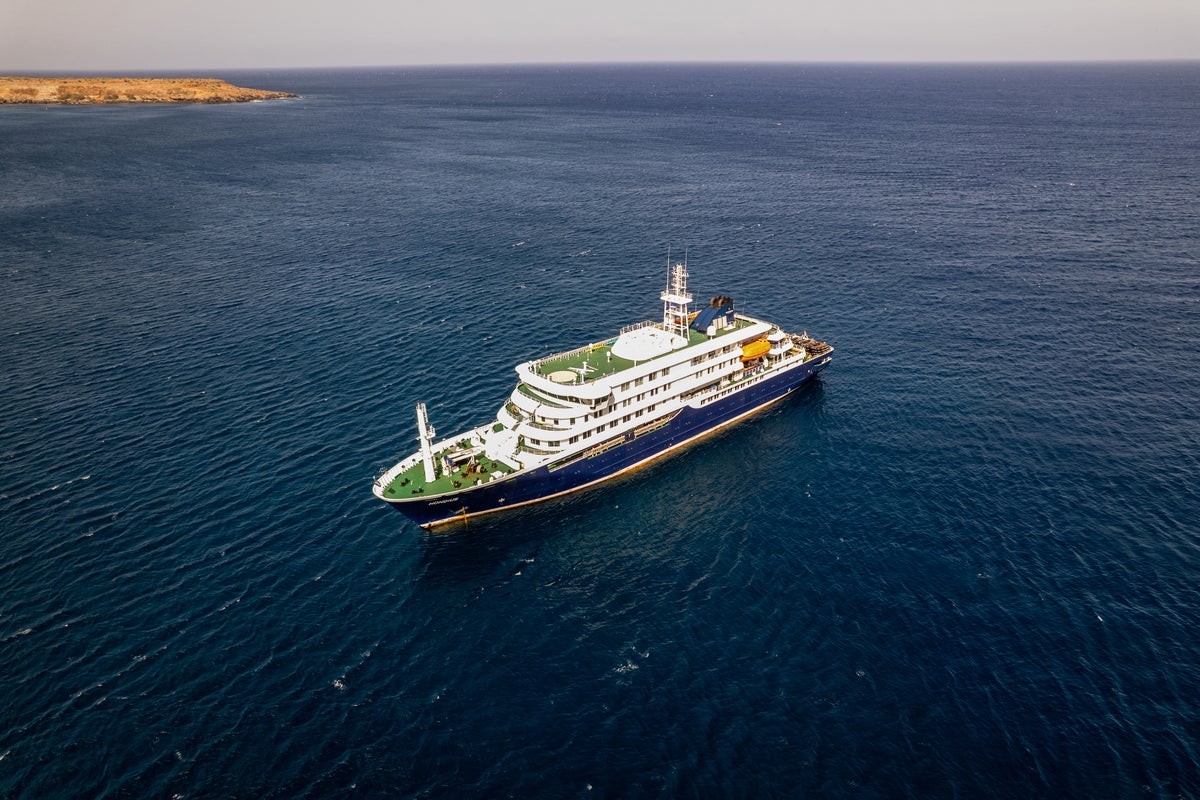
A suspected outbreak of hantavirus aboard the MV Hondius, an expedition cruise ship currently off the coast of West Africa, has resulted in three deaths and multiple illnesses. The incident has raised urgent questions about how this rodent-borne virus spread in a confined maritime environment and whether human-to-human transmission occurred.
The Incident on Board
The crisis began when a Dutch national died on April 11. While the initial cause of death was undetermined, his wife subsequently fell ill and also passed away. A German national died on board on May 2. According to the World Health Organization (WHO), hantavirus infection has been laboratory-confirmed in one passenger, who is currently receiving intensive care in South Africa.
Oceanwide Expeditions, the operator of the MV Hondius, reported that approximately 150 passengers remain on the vessel. Local health authorities have inspected the ship but have not yet authorized the disembarkation of passengers or the medical evacuation of two additional crew members who have fallen ill. The company stated it is preparing for potential medical repatriation and supporting affected families, though further details remain limited.
Understanding Hantavirus
Hantaviruses are a family of pathogens primarily transmitted through contact with rodents, specifically via their urine, droppings, or saliva. Humans typically contract the virus by inhaling airborne particles containing these contaminated materials. While the primary transmission route is environmental, certain strains—most notably the Andes virus found in South America—can spread from person to person.
“It’s not incredibly transmissible, like somebody sneezes across the room and you can get it. But if you’re consistently exposed to somebody that has been infected, then that greatly increases your chance of getting it.”
— Kartik Chandran, Virologist, Albert Einstein College of Medicine
This distinction is critical for understanding the cruise ship outbreak. The close quarters of a ship may facilitate the kind of sustained, close contact required for human-to-human transmission, particularly if the Andes strain is involved. However, experts note that the virus has a long incubation period (one to eight weeks), suggesting passengers may have been infected before the voyage began, possibly in endemic regions like Argentina.
Two Distinct Syndromes
Hantavirus infections generally manifest in two ways, each with different severity and symptoms:
-
Hantavirus Pulmonary Syndrome (HPS)
- Mortality Rate: Approximately 38%.
- Symptoms: Initial flu-like symptoms (fatigue, fever, muscle aches) followed by rapid onset of coughing and shortness of breath as fluid fills the lungs.
- Notable Case: This syndrome claimed the life of Betsy Arakawa, wife of actor Gene Hackman, in February 2025.
-
Hemorrhagic Fever with Renal Syndrome (HFRS)
- Mortality Rate: Ranges from 1% to 15%, depending on the specific viral strain.
- Symptoms: Intense headaches, back and abdominal pain, fever, and blurred vision. As the disease progresses, it can lead to low blood pressure, internal bleeding, and acute kidney failure.
Diagnosis and Treatment Challenges
Early diagnosis is difficult because initial symptoms mimic common illnesses like the flu. By the time respiratory or renal symptoms appear, the disease may have already progressed significantly. There is no specific cure for hantavirus. Treatment focuses on supportive care, such as oxygen therapy and fluid management. The antiviral drug ribavirin has shown some promise in reducing mortality, particularly for HFRS, but its effectiveness varies.
The rarity of hantavirus outbreaks limits research funding and treatment development. In the United States, for example, only 890 cases were reported between 1993 and 2023. Prevention remains the most effective strategy, involving avoiding rodent infestations and using protective gear (such as N95 masks) when cleaning areas potentially contaminated by rodent droppings.
Why This Matters
This outbreak highlights the unique risks of expedition cruises, which often visit remote, rodent-prone areas and operate in confined spaces. While hantavirus is rare, its high mortality rate and potential for person-to-person spread make it a serious public health concern in closed environments. The ongoing investigation into the MV Hondius incident will provide valuable insights into transmission dynamics and help refine safety protocols for similar voyages.
Conclusion: The hantavirus outbreak on the MV Hondius serves as a stark reminder of the dangers posed by rare but deadly pathogens in confined spaces. While transmission is typically rodent-borne, the potential for human-to-human spread in close quarters underscores the need for vigilant health monitoring and rapid response in maritime travel.