






























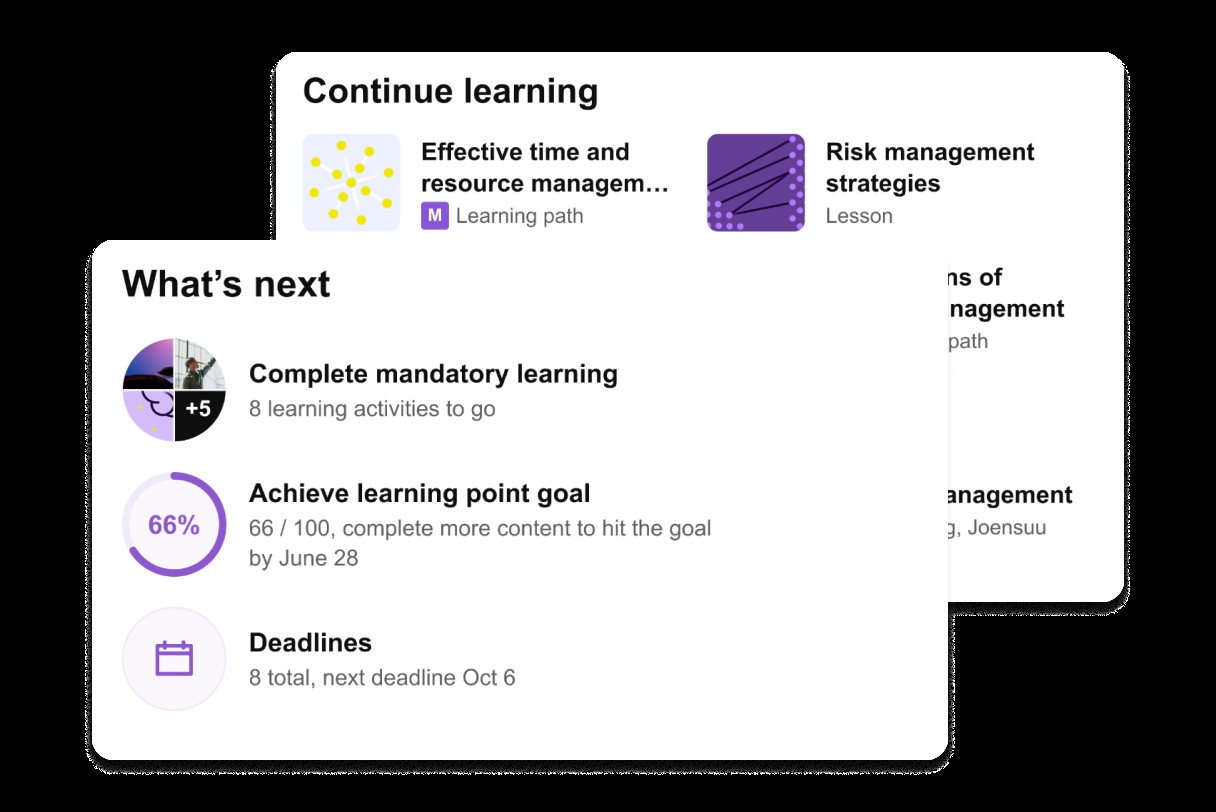
Effective onboarding for white-collar workers is crucial because these roles demand specialized skills, strategic thinking, and strong collaboration. A well-structured process ensures new hires become productive faster and fully align with company goals. This guide outlines nine critical steps for seamless onboarding, leveraging a modern Learning Management System (LMS) to maximize impact.
Start Before Day One: The Power of Pre-Boarding
First impressions matter. Onboarding shouldn’t wait until a new employee’s first day. Instead, begin before they start by creating excitement and reducing stress. This can include welcome videos, access to an LMS with preloaded materials, or virtual office tours.
Why it matters: Pre-boarding reduces anxiety and gives new hires a head start. They arrive prepared, not overwhelmed, improving early engagement and productivity.
- Share a digital welcome kit with company values, FAQs, and team introductions via the LMS.
- Automate reminders for pre-boarding tasks to ensure completion.
- Provide early access to online compliance training to accelerate readiness.
Prioritize Role-Specific Training: One Size Doesn’t Fit All
White-collar roles vary widely—from marketing managers to software developers. Avoid generic training. Tailor content to their responsibilities, covering both hard skills (e.g., CRM software) and soft skills (e.g., communication).
Why it matters: Personalized training ensures employees have the tools they need to excel from day one. The Chartered Management Institute (CMI) reports that 82% of UK managers are “accidental managers,” promoted without formal training, leading to inefficiencies and toxic cultures.
- Conduct skills analysis to identify gaps and recommend targeted learning paths within the LMS.
- Break down training into microlearning modules to avoid information overload.
- Allow employees to test out of topics they already know, saving time and keeping training relevant.
Facilitate Cross-Department Collaboration: Breaking Down Silos
White-collar workers often interact with multiple teams. Onboarding should include sessions that introduce new hires to key stakeholders and how departments collaborate.
Why it matters: Cross-functional knowledge improves efficiency and reduces friction between teams. Silos hinder productivity and innovation.
- Host virtual meet-and-greets with department heads through the LMS.
- Use social learning features (discussion boards, team forums) to encourage networking.
- Assign collaborative onboarding projects to demonstrate cross-functional workflows.
Integrate Technology Training: Mastering Digital Tools
Modern white-collar work relies heavily on digital tools. Include training on project management software, communication platforms, and data analytics tools as a core part of onboarding.
Why it matters: Companies leveraging technology for training experience a 218% higher income per employee (Deloitte study). Poor tech proficiency hinders productivity and adoption of modern workflows.
- Provide short LMS tutorials on commonly used software like Slack, Microsoft Teams, or Jira.
- Incorporate interactive software simulations for risk-free practice.
- Create an on-demand tech support forum within the LMS for questions.
Focus on Instilling Company Culture: Aligning Values
Cultural alignment is vital, especially for white-collar workers who often represent your company to clients or in strategic decisions. Poor management, often stemming from misaligned culture and training, drives one in three employees to leave (study cited).
Why it matters: A strong company culture boosts engagement, retention, and brand consistency.
- Share the company’s mission, values, and real-world examples of their application.
- Create gamified culture quizzes within the LMS to reinforce key messages.
- Host live Q&A sessions with leadership to promote transparency.
Offer Small Steps With Quick Wins: Building Momentum
Assign manageable tasks during the first few weeks to give new hires a sense of accomplishment. The sooner they contribute meaningfully, the more engaged they’ll be.
Why it matters: Early wins build confidence and accelerate integration. Delayed impact can lead to frustration and disengagement.
- Provide a checklist of first-week goals and track progress through the LMS.
- Recognize quick wins in team meetings or company communications.
- Assign a small, real-world project within the first month.
Provide Continuous Feedback: Course Correction and Support
Regular check-ins are essential during onboarding. Discuss progress, answer questions, and offer support.
Why it matters: Feedback helps new hires course-correct and feel valued. Lack of feedback creates uncertainty and hinders growth.
- Use LMS-driven pulse surveys to gather onboarding feedback.
- Set up automated progress reports for managers.
- Allow employees to rate training modules for continuous improvement.
Create A Blended Learning Experience: Flexibility and Engagement
Combine self-paced eLearning with live, interactive sessions. This approach allows flexibility while still providing real-time engagement.
Why it matters: Blended learning caters to different learning styles and maximizes retention. Rigid, one-size-fits-all approaches can alienate some employees.
- Mix live workshops with self-paced video tutorials in the LMS.
- Offer optional deep-dive courses for those seeking further expertise.
- Use AI-powered recommendations in your LMS to suggest relevant learning paths.
Gather Feedback, Review, and Refine: Continuous Improvement
Onboarding should evolve based on new hire experiences. Collect feedback through surveys, discussions, and LMS analytics to identify what works and what doesn’t.
Why it matters: Static onboarding processes become outdated. Continuous refinement ensures relevance and effectiveness.
- Track completion rates and learning performance in the LMS.
- Implement anonymous feedback forms for candid responses.
- Continuously update content based on engagement trends and survey results.
In conclusion, successful white-collar onboarding requires a strategic, adaptable approach. A modern LMS streamlines training, enhances engagement, and ensures new hires feel supported from day one, setting them up for long-term success. By prioritizing personalization, collaboration, and continuous feedback, companies can maximize the impact of their onboarding efforts and cultivate a high-performing workforce.