The classic science fiction trope involves a reckless scientist bringing a deadly alien pathogen back to Earth. However, modern astrobiology is far more concerned with the reverse scenario: Earth’s own microbes hitching a ride to other planets.
This phenomenon, known as “forward contamination,” poses a significant threat to the search for extraterrestrial life. If a billion-dollar mission discovers microbes on Mars, only for genetic analysis to reveal they are terrestrial emigrants, the discovery would be scientifically null. We would not have found a “second genesis” of life; we would have merely found ourselves.
A new study highlights a specific and troubling culprit in this potential contamination: fungi. While planetary protection protocols have historically focused on bacteria, recent findings suggest that certain fungal strains are far more resilient than previously assumed, potentially surviving the rigorous sterilization processes designed to keep spacecraft clean.
The Resilience of Aspergillus calidoustus
For decades, the primary biological concern for space agencies has been bacteria. Protocols established in the 1970s for NASA’s Viking landers and current standards for the Mars Sample Return mission are largely designed to eliminate bacterial hitchhikers. However, a study published in Applied and Environmental Microbiology reveals a critical gap in these defenses.
Researchers isolated approximately two dozen fungal strains from NASA spacecraft assembly clean rooms. Among them, one strain stood out for its extreme durability: Aspergillus calidoustus .
This fungus demonstrated an alarming capacity to survive conditions that should theoretically be lethal to terrestrial life:
* Ultraviolet Radiation: It withstood the intense UV exposure used to cleanse spacecraft before launch.
* Space Vacuum: It survived simulations of the vacuum of space.
* Mars Surface Conditions: It endured environmental mimics of the Martian surface.
* Extreme Heat: Most shockingly, it survived baking at 125 degrees Celsius (257 degrees Fahrenheit), a temperature NASA uses to notionally sterilize spacecraft destined for sensitive Martian regions.
“The hyper-resilience of A. calidoustus and other fungi represents a ‘critical gap’ in planetary protection strategies.” — Atul Chander, lead author of the study.
Why This Matters: A Growing Urgency
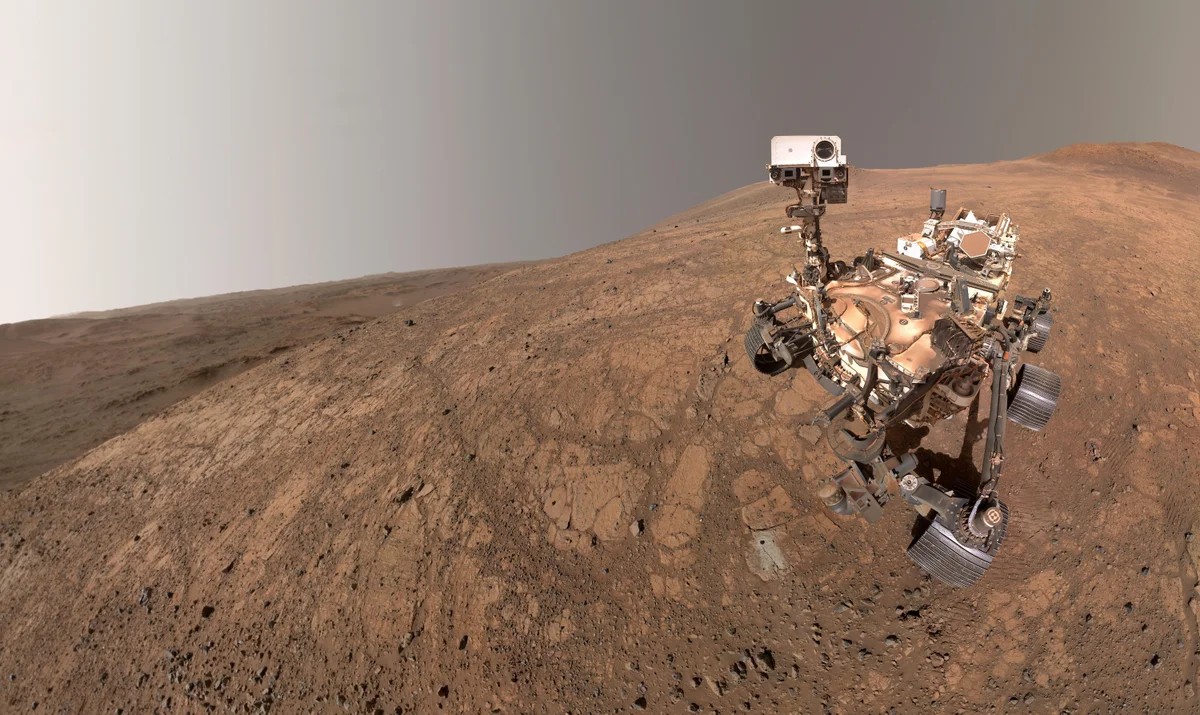
The discovery of such resilient fungi is not just a laboratory curiosity; it raises urgent questions about the integrity of past and future missions. If these organisms can survive current sterilization methods, it is possible that previous missions have already exported hardy Earth microbes to Mars. This complicates the quest to find indigenous Martian life, as any biological signature found could be ambiguous.
The stakes are higher now than ever before due to three converging trends:
1. Increased Mission Volume: A new generation of landers, rovers, and helicopters is being sent to Mars and beyond.
2. Commercial Spaceflight: Private aerospace companies are joining the interplanetary race, expanding the number of entities launching spacecraft.
3. Sample Return: Missions aiming to bring extraterrestrial material back to Earth require stricter containment to prevent any potential biological cross-contamination, both forward and backward.
Closing the Gap: New Strategies for Planetary Protection
Planetary protection is coordinated internationally through the Committee on Space Research (COSPAR), which provides guidelines aligned with the 1967 United Nations Outer Space Treaty. These guidelines are binding for all signatory nations and extend to private missions operating under their flags.
NASA and other agencies are now adapting to these new findings. Moogega Cooper, a planetary protection engineer at NASA’s Jet Propulsion Laboratory, notes that the agency is developing new tools to support the commercial space community in meeting these standards.
One promising approach is metagenomics —the direct assessment of microbial communities in their natural environments. Instead of relying solely on standard assays that target known bacteria, agencies can use metagenomic mapping to track entire microbial ecosystems within clean rooms. This comprehensive view is crucial for understanding the full scope of potential contaminants, especially as human missions to Mars become a realistic future goal.
Cassie Conley, a former NASA planetary protection officer, suggests that these findings are not surprising but rather a validation of existing concerns.
“The whole point is that we don’t know all the capabilities of life on Earth—and shouldn’t pretend we do.”
Conclusion
The discovery of ultra-resilient fungi like Aspergillus calidoustus serves as a stark reminder that life on Earth is tenacious and adaptable. As humanity expands its footprint into the solar system, rigorous and updated planetary protection protocols are essential to ensure that our search for alien life is not compromised by our own biological legacy.