The world under our feet is changing. Economic tides rise and fall. Social norms evolve. Cultural boundaries are blurring. One of the most significant changes in this continuous movement is the emergence of the knowledge society. This is not just a buzzword for an academic. It is a structural reality where knowledge has become a central asset, replacing raw materials and heavy machinery as the primary drivers of value.
This transition did not happen overnight. It is a direct result of the changes caused by the industrial revolution. We have moved from an agricultural past to an industrial future characterized by mass production and mechanization. Factories were born. Supply chains extended to continents. But this industrial change didn’t just change how things were made; It fundamentally changed the way people lived, worked and interacted.
Today we are on the other side of this industrial age. The focus has shifted from doing things to knowing about things. In the knowledge society, the ability to create, process and apply information determines economic success and social status.
From machines to minds: How the change happened
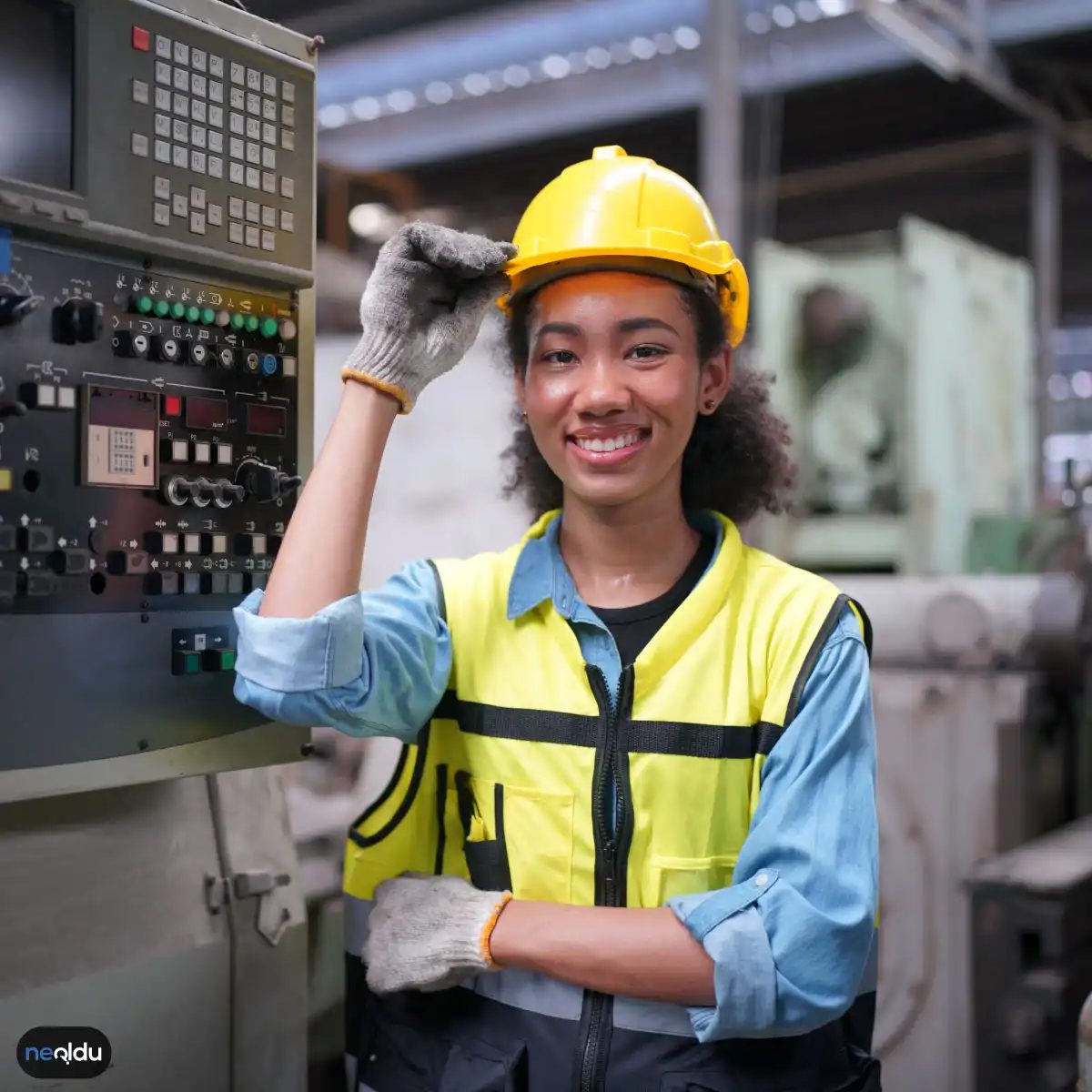
To understand where we are, look at where we come from. The industrial revolution prioritized physical work and material production. Value was measured in tons of steel, miles of cloth, or units of coal. The economy was built on size and efficiency.
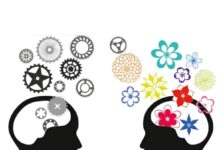
However, the limits of pure industrialism became clear. Automation began to handle repetitive physical tasks. When machines took over manufacturing, the advantage shifted to humans. Where has it moved to? To my mind.
The post-industrial era required a different kind of worker. You couldn’t just follow the instructions on the assembly line. They had to solve problems. They had to adapt. They had to understand complex systems. This transition is the core of the knowledge society. It is a social formation in which the production of knowledge is the main source of wealth and power.
Why knowledge is now the new currency
In the past, wealth was stored in land or gold. Today it is stored in data, ideas and expertise. This change will have a profound impact on students, parents and lifelong learners.
- Access is no longer a bottleneck. Information is everywhere. The challenge is no longer finding information; it filters it.
- Skills are more important than degrees. While credentials are still valuable, employers often value the ability to learn quickly and apply new knowledge.
- Mobility has increased. Knowledge workers are less tied to specific physical locations than factory workers. Remote work and digital collaboration are now standard.
This change creates both opportunities and challenges. It democratizes access to education, but also increases the pressure to continue learning. If you stop learning, you will fall behind. Not because the world is cruel, but because the definition of value has changed.
What is the knowledge society?
Identifying the knowledge society does not mean identifying a specific building or policy. It’s about spotting patterns in everyday life and economic activity.
- High dependence on technology. Digital infrastructure is the backbone. Internet connection is as important as electricity.
- Education is continuous. Learning does not end with graduation. It’s a lifelong process.
- Innovation is continuous. Products and services develop rapidly. Aging happens faster than ever before.
- **Service and
The transition from an industrial economy to an information society did not happen overnight. It was the result of decades of technological acceleration and economic restructuring. As the steam engine gave way to the microprocessor, the value of raw data began to exceed the value of physical goods. Large companies realized early on that collecting and analyzing information was not just a logistical task, but a competitive advantage. They started using analytics to make more informed decisions, improve products, and develop marketing strategies that really hit the mark.
This change didn’t just stop in the boardroom. It also affected the way people lived, learned and communicated.
The Rise of the Knowledge Economy
In the traditional industrial model, success was measured by output. How many widgets could the factory produce per day? In the information society, success is measured by innovation and access. The ability to process information quickly became a currency more valuable than gold or oil in many fields.
The Internet acted as a great equalizer and accelerator. Suddenly, a student living in a rural area had access to the same research papers as a professor at an Ivy League university. This instant access to global information fostered a collaborative culture that transcended geographic barriers. Teams can collaborate in real time across continents, share ideas and refine concepts without ever meeting in person.
But this change required new skills. Digital literacy was no longer a “nice to have” but a basic requirement. It’s not just about knowing how to use a computer. It’s about understanding how to find reliable information, verify sources, and collaborate in digital spaces. These information processing skills are now essential in almost all professions, from healthcare to education and manufacturing.
Why digital skills are more important than ever
The demand for workers navigating complex digital environments has changed the labor market. New professions emerged that did not exist twenty years ago. Data analysts, UX designers and content strategists are important roles today. Traditional jobs have also changed. A farmer could use satellite data to optimize the crop. A teacher could use learning management systems to track student progress.
This is why developing digital skills is a key issue for both students and parents. A degree in a traditional field is no longer enough. You need to understand the tools that will modernize this area. This means learning to code, understanding data protection and mastering communication platforms.
However, this transition was not smooth for everyone. The digital divide remains a significant barrier. Not everyone has the same access to high-speed internet or the latest devices. This creates a two-tiered system where those with access to information thrive and those without access fall even further behind.
The double-edged sword of knowledge
Although the information society offers unprecedented opportunities, it also brings with it serious challenges. The sheer amount of information available can be overwhelming. Information overload makes it difficult to distinguish truth from lies. Fake news and misinformation spread faster than proven facts and undermine trust in institutions and the media.
Privacy is another major concern. In a world where data is collected and analyzed for profit, protecting personal data is becoming more and more difficult. Companies track your habits, sell your data, and use algorithms to predict your behavior. This raises ethical questions about consent and autonomy.
Then there is the fake news problem. In an age where anyone can post anything, it’s harder to verify sources
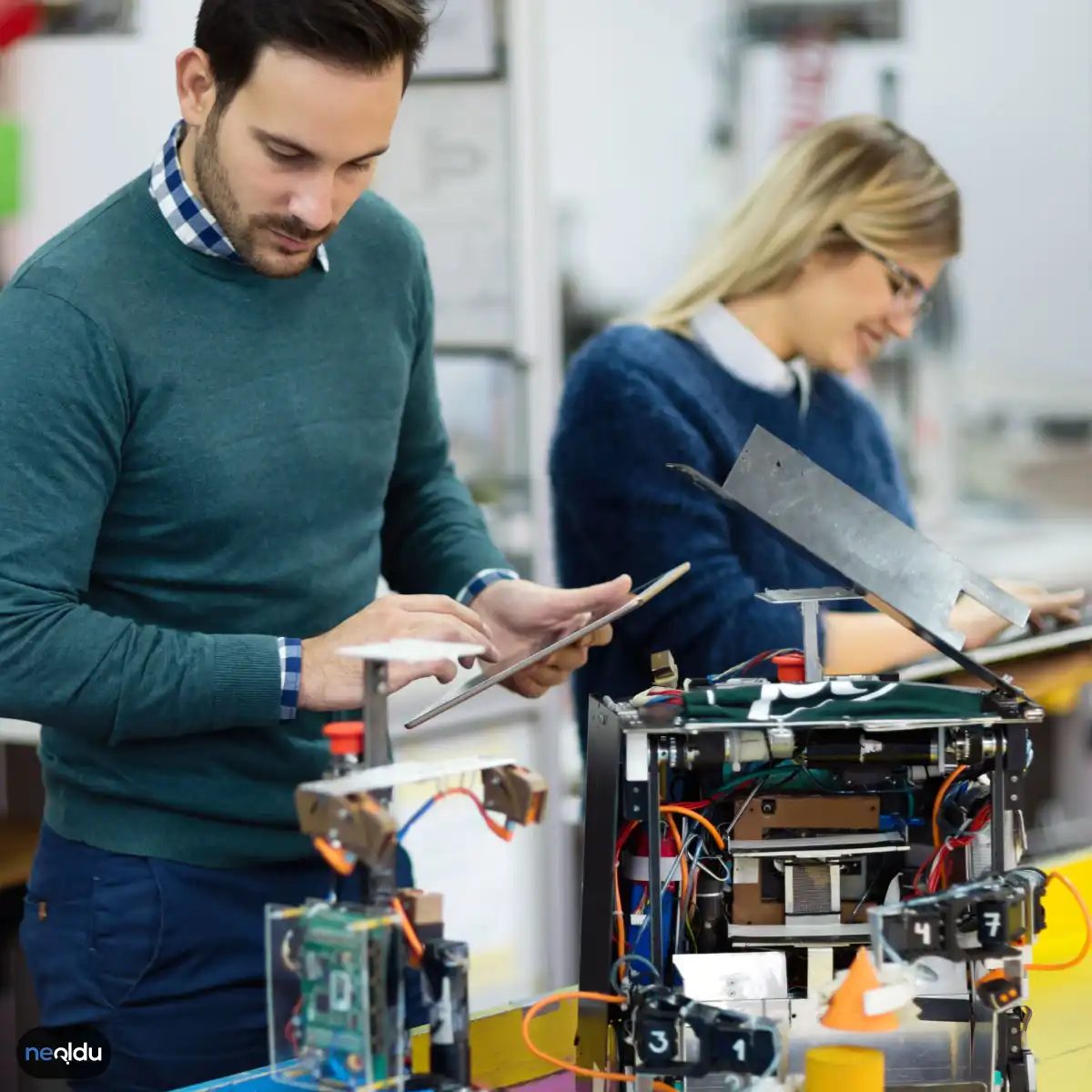
The focus of the global economy has shifted. It is no longer based on steel mills or assembly lines, but on servers and code. This transition led to the knowledge economy, a structural change where information replaces raw materials as the primary value driver. In this new order, human work is complemented by data and digital sectors determine the pace of growth.
What sets this model apart from others? It is a concentration of information. In the traditional framework, capital and land were kings. Here, knowledge is the engine. The change was not sudden; It has been driven by leaps in technology and the digitization of almost all human endeavors. The widespread adoption of the Internet accelerated this, transforming data storage and processing from slow physical tasks into instantaneous, global events.
Death of physical presence
The influence of how work is done is as profound as the influence of what is produced. The requirement of spatial proximity has largely been dismantled.
Consider the remote worker. You don’t have to sit in a cubicle next to your co-worker to collaborate. Internet infrastructure enables conference calls, virtual offices and distributed teams on different continents. This is not just convenience; It is a fundamental change in work dynamics.
At the same time, new industries have emerged to fill the gaps left by traditional trade:
- Digital Marketing: Replacing billboards and TV spots with targeted advertising algorithms.
- E-commerce: completely bypasses brick-and-mortar trading.
- Online payment systems: Creating financial liquidity without physical cash exchange.
These are not niche industries. They are the new backbone of business, offering options that are faster, cheaper and more scalable than their predecessors.
The Skill Gap Anxiety
But this progress has a catch. For employees rooted in traditional models, the knowledge economy can seem threatening. The transition is not seamless. Some roles are becoming obsolete due to automation or digital efficiency, while whole new job categories are emerging overnight.
This creates a pressure cooker environment for the workforce. Jobs that survive—and thrive—require different skills. Following the manual is no longer enough. You need to understand the tools, the data and the digital landscape.
The knowledge economy requires continuous self-development. Stagnation is not an option.
This reality forces us to face the hard truth: employees must constantly learn. The safety net of a lifelong career has evaporated. Adaptability is the most valuable currency today.
Defining the Knowledge Society
This economic change is part of a larger sociological phenomenon known as the knowledge society. It is characterized by specific features that distinguish it from industrial or agricultural eras:
- Information as infrastructure: Just as roads and electricity were once important, access to information and digital literacy are now essential aids.
- Decentralization of Authority: Expertise is no longer exclusively with the elites. The Internet democratizes access to facts and forces a decentralized model of authority and trust.
- Rapid Obsolescence: Information is becoming obsolete faster than ever before. What is relevant today may be obsolete a year from now. This requires a culture of lifelong learning.
- Connectivity: The value of a node (person or company) increases with its connections
Why has information replaced traditional production?
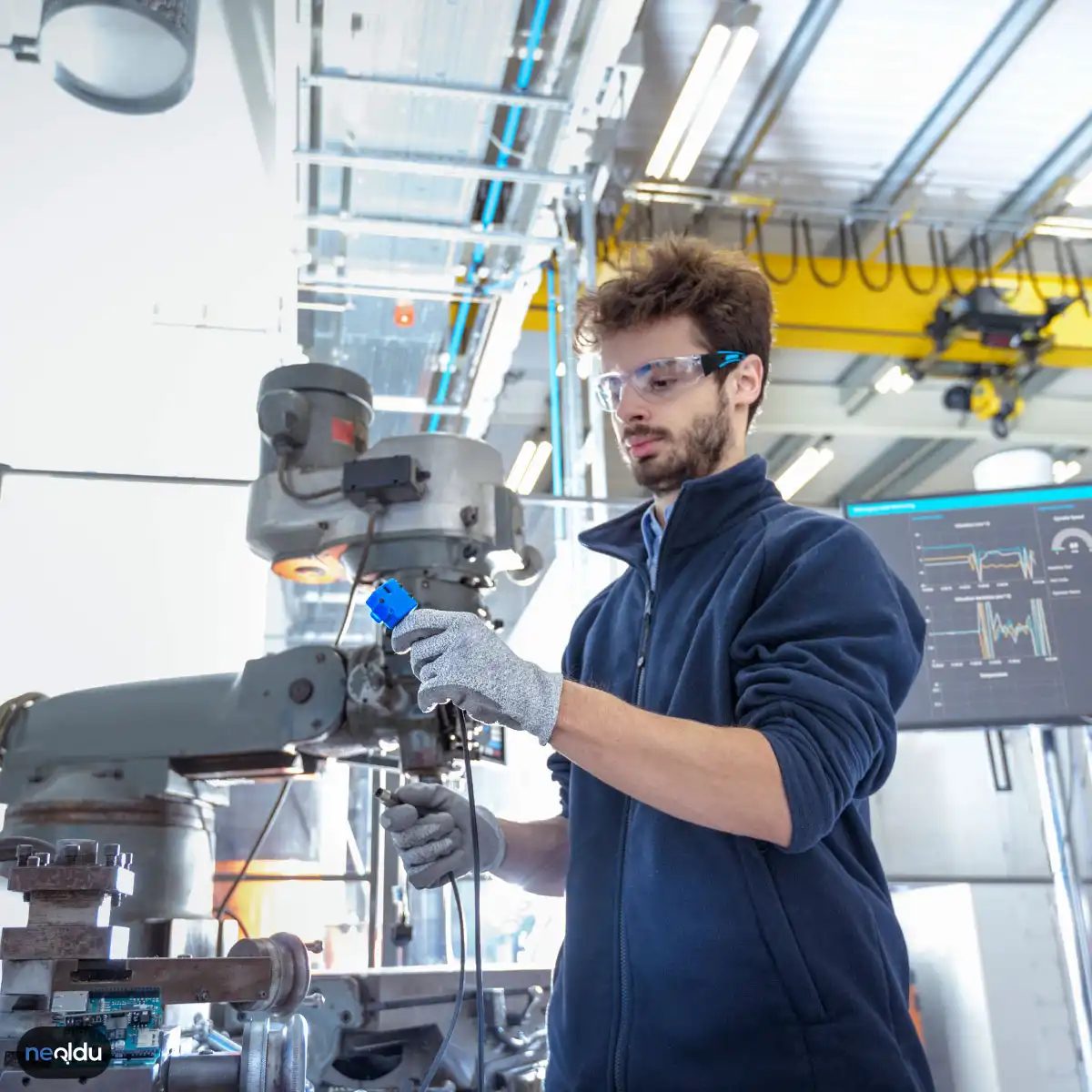
You produced goods. You made widgets, grew crops or built houses. Today, the engine of the economy is based on information. Knowledge is not just a by-product; it is a primary resource. The market leaders are no longer just manufacturing or agriculture. They are industries that create, manage and share information. This change has fundamentally altered what we value in the workplace. When you can’t process information, you fall behind. Today, the value of a product directly depends on the intelligence used in its production.
The rise of the knowledge worker
As the demand for information increases, the workforce committed to processing it increases. We are seeing a huge increase in the number of people whose main job is processing data. These are not old school workers. They are knowledge workers. They use digital tools to manage, create and apply information. Their job is to turn raw data into something useful. This group includes analysts, developers, educators and consultants. They connect the dots in a complex digital landscape. The more the economy relies on information, the larger this cohort becomes.
Ubiquitous communication technologies
What makes this society possible is connectivity. The spread of communication technology is the backbone of the information age. The Internet is no longer a novelty; it is the infrastructure. Smartphones, tablets and other digital devices have removed barriers to access. Information can be shared instantly and regardless of location. This ease of access is changing the way we learn and work. You don’t have to be in the library to access a library. You don’t have to wait for a meeting to share a document. The speed of information flow has increased exponentially.
Dynamic social change
Unlike industrial societies, which were often rigid and slow to progress, the information society is fluid. It’s constantly changing. Economic changes, social trends and cultural changes happen in real time. This dynamic means that stability is an illusion. Adaptation is the only constant. Structures that worked yesterday may be obsolete tomorrow. This requires a new kind of flexibility from both individuals and institutions. We don’t just observe change; We participate in it every day.
Advantages of this model
The transition to the information society brings significant benefits that were difficult to achieve in previous eras.
Key Insight: The democratization of information enables faster innovation and broader access to opportunities.
- Better efficiency: Digital tools streamline processes. What used to take days can now be done in minutes.
- Global connectivity: Knowledge workers can collaborate across borders without leaving their desks.
- Access to education: Online resources make learning more accessible for those who would otherwise be excluded.
- Flexibility: The nature of the work allows for more varied schedules and remote options.
These benefits do not come without challenges. The line between work and life can blur. The pressure to stay updated is relentless. But the trajectory is clear. We are moving towards a society where adaptability and intellectual capital are more important than static assets. It is no longer a question of whether we continue to evolve, but rather how we manage the pace. The future belongs to those who can navigate the flow.
Access is no longer a barrier
The old idea that knowledge was locked away in ivory towers is dead. We live in an era where the answer to almost any question is seconds away. This shift defines the ease of access to information in the digital age. You don’t need to wait for the library to open or hunt for a specific book on a dusty shelf. With just a smartphone and a connection, you are standing in front of the sum of human knowledge.
This democratization of data changes how students study. It changes how professionals solve problems. It removes the friction that once slowed down learning. The barrier is no longer availability. It is attention.
New career paths for the digital worker
The economy has followed the data. New industries have sprung up where none existed before. We talk about the gig economy and digital career opportunities constantly now. But what does that actually mean for your resume?
Consider the role of the information worker. This isn’t just a buzzword. It describes a shift from moving physical goods to moving ideas. Coding, content creation, data analysis, and digital marketing are the new assembly lines. E-commerce platforms allow anyone to sell globally. Online payment systems handle the transaction logistics.
For parents watching their kids grow up, this means the “safe” corporate ladder is less relevant. Adaptability is the new job security. If you can’t navigate digital tools, you’re already behind. The opportunities are there, but they require a mindset shift from stability to flexibility.
Speed and efficiency in a wired world
Digitalization isn’t just about having computers. It’s about speed. Production processes are faster. Communication is instant. This acceleration forces us to rethink how we work.
In a traditional office, a decision might take weeks of meetings. In a digital-first environment, it can take minutes via Slack or Teams. This efficiency is undeniable. But it also means the bar for output is higher. You are expected to be available, responsive, and productive on a 24/7 cycle.
The trade-off is clear. We gain time saved on logistics and transport. We lose the boundary between work and life. The machine never sleeps, and neither does the inbox.
Culture at the speed of light
The internet has flattened the world. You can have a conversation with someone in Tokyo, Nairobi, or Buenos Aires without leaving your kitchen. This exposure to cultural diversity in the connected world is profound.
It’s not just about tolerance. It’s about interaction. You see different perspectives on politics, art, and daily life. You realize that your way of doing things is just one of many. This can be uncomfortable. It can also be the most enriching part of modern life.
However, it also creates echo chambers. Algorithms show us what we want to see. So while access to diverse cultures is easy, understanding them deeply requires effort. You have to actively seek out voices that challenge your worldview.
The dark side of the data stream
It’s not all utopia. There is a cost to this convenience. We are drowning in information but starving for wisdom. The ease of access means misinformation spreads faster than facts. Verification is hard. Trust is fragile.
Then there is the job displacement. Automation replaces roles that were once secure. The digital divide leaves those without access or skills behind. It creates a class of people who are invisible to the digital economy

The information society is not a utopia. It brings noise. Specifically, information pollution floods our feeds. False claims, contradictory data, and manipulative narratives make it harder to find the truth. You have to work harder to distinguish signal from static.
Then there is the screen. Digital addiction is a real cost of this era. Internet and digital tools can pull people away from face-to-face life. The result? Social isolation. Health issues. Dependency. It’s not just about wasting time. It’s about rewiring how we connect.
Access is not equal. Developmental inequality grows when some groups are left behind. If you don’t have reliable tech access, you fall further behind. This widens social gaps. It creates a two-tier system: those who can navigate the digital world easily, and those who can’t.
What Does It Take to Be an Information Society?
Building this society isn’t automatic. It requires specific pillars. Without them, the benefits remain out of reach for many.
Infrastructure and Access
First, you need the pipes. Broadband internet must be widespread and affordable. High-speed connections are the backbone. Without them, digital inclusion is impossible. This means governments and private sectors must invest in rural and underserved areas. No more dead zones. No more slow, unreliable links that choke productivity.
Digital Literacy
Hardware isn’t enough. People need skills. Digital literacy programs must be standard. Students, parents, and workers need to know how to evaluate sources. They need to spot fake news. They need privacy safeguards. Literacy isn’t just about typing. It’s about critical thinking online.
Education Systems
Schools must adapt. Curricula should include coding, data analysis, and ethical AI use. Traditional subjects remain important, but they need a digital layer. Teachers need training too. They can’t teach 21st-century skills with 20th-century methods. Continuous professional development is key.
Policy and Regulation
Rules matter. Governments must create frameworks that protect data without stifling innovation. Privacy laws, like GDPR in Europe, set standards. These regulations ensure that tech companies are accountable. They also promote fair competition. Monopolies hurt consumers. Healthy markets drive better tools.
Ethical AI and Transparency
As AI becomes central, transparency is non-negotiable. Algorithms shouldn’t be black boxes. They need to be explainable. This builds trust. If people don’t understand why an AI made a certain recommendation, they won’t use it. Or worse, they’ll fear it.
Economic Adaptation
Jobs change. Automation takes some roles. It creates others. Lifelong learning becomes essential. Workers must upskill constantly. Governments and businesses need to support this transition. Retraining programs. Mental health support for those displaced. The economic fabric must be flexible.
Social Cohesion
Technology should bring us closer, not tear us apart. Platforms must be designed to reduce polarization. Algorithms that promote outrage need rethinking. Community building online should be encouraged. Digital spaces must be inclusive for all ages, abilities, and backgrounds.
The goal isn’t just more technology. It’s better human outcomes. An information society should empower. Not exhaust. Not exclude.
It’s a moving target. New challenges arise every year. Deepfakes. Quantum computing. Neurotech. We can’t prepare for

Why access is fundamental
Without access, there can be no information society. It sounds obvious, but it’s the bedrock. When data gets trapped behind paywalls, bureaucracy, or digital divides, the system fails. The goal is simple: to eliminate friction. People need to find what they need, when they need it. No excuses.
Learning never ends
In the industrial past, you learned a trade and stuck with it. Today? This model is dead. To be successful now, you need to constantly upgrade your skills. Generating and managing information is not a one-time process. It is a daily practice. Lifelong learning is not a slogan for HR departments. It’s a survival tactic. If you don’t learn, you’ll fall behind. Quickly.
Technology is a tool, not a master
Technology is the engine. You have to know how to drive it. This means more than browsing social media. It means using digital tools to process data, organize your thoughts and share insights. Whether you’re a student, parent or CEO, digital literacy is non-negotiable. Use technology. Don’t let it use you.
Culture is important
A true information society respects differences. It brings people together. When you share information across borders and backgrounds, you build bridges. Support cultural diversity. Listen to different perspectives. The more voices you include, the smarter the collective intelligence becomes. Isolation leads to stagnation. Connection leads to innovation.
What is the information society?
Let’s define the term. In the information society, information is the most valuable resource. It is the currency of power, influence and progress. This change happened after the industrial revolution. The focus shifted from physical work to intellectual capital. We stopped counting muscles and started counting ideas.
Why it matters
The impact is huge. New technologies lead to profound changes in the way we live. Old jobs will disappear. New ones are born. Think about the flexibility and creativity of modern workplaces. This comes from a culture of sharing. When information flows freely, cooperation explodes. You get better ideas faster. The economy is becoming more dynamic.
Key features
What does it look like in practice?
– Digital literacy: Knowing how to use tools to search and check information.
– Collaboration: Working together across teams and borders.
– Economic value: Information promotes profit and growth.
– Access: Everyone has a fair shot at to learning resources.
How it came about
The industrial revolution changed everything. Machines replaced manual labor. However, the real change came with communication technology. Internet. Smartphones. Cloud storage. Suddenly, information was everywhere. It was cheap. It was quick. This accessibility changed the structure of society. Power shifted from those who owned the factories to those who owned the data.
New jobs on the horizon
The rise of the information economy created completely new job categories. These are not just technical jobs. These are tasks that require critical thinking and knowledge management.
– Data Analysts: Turn raw numbers into actionable insights.
– Information Managers: Organizing large digital content.
– Social media experts: Navigating public opinion and brand identity.
– Knowledge Workers: Anyone who creates value through intellectual effort.
These roles did not exist fifty years ago. They exist because we prioritized data over inventory.
What you can do today
You don’t need a degree to get started. Start small.
1. Curate your feed: Follow experts, not just influencers.
2. Share what you’ve learned: Teaching strengthens your own understanding.
3. Use free tools: Libraries, online courses, and open source software are powerful.
4. Stay curious: Ask questions. Challenge assumptions.
The future belongs to those who can adapt. Who can learn? Who can share. The rest is just noise.