


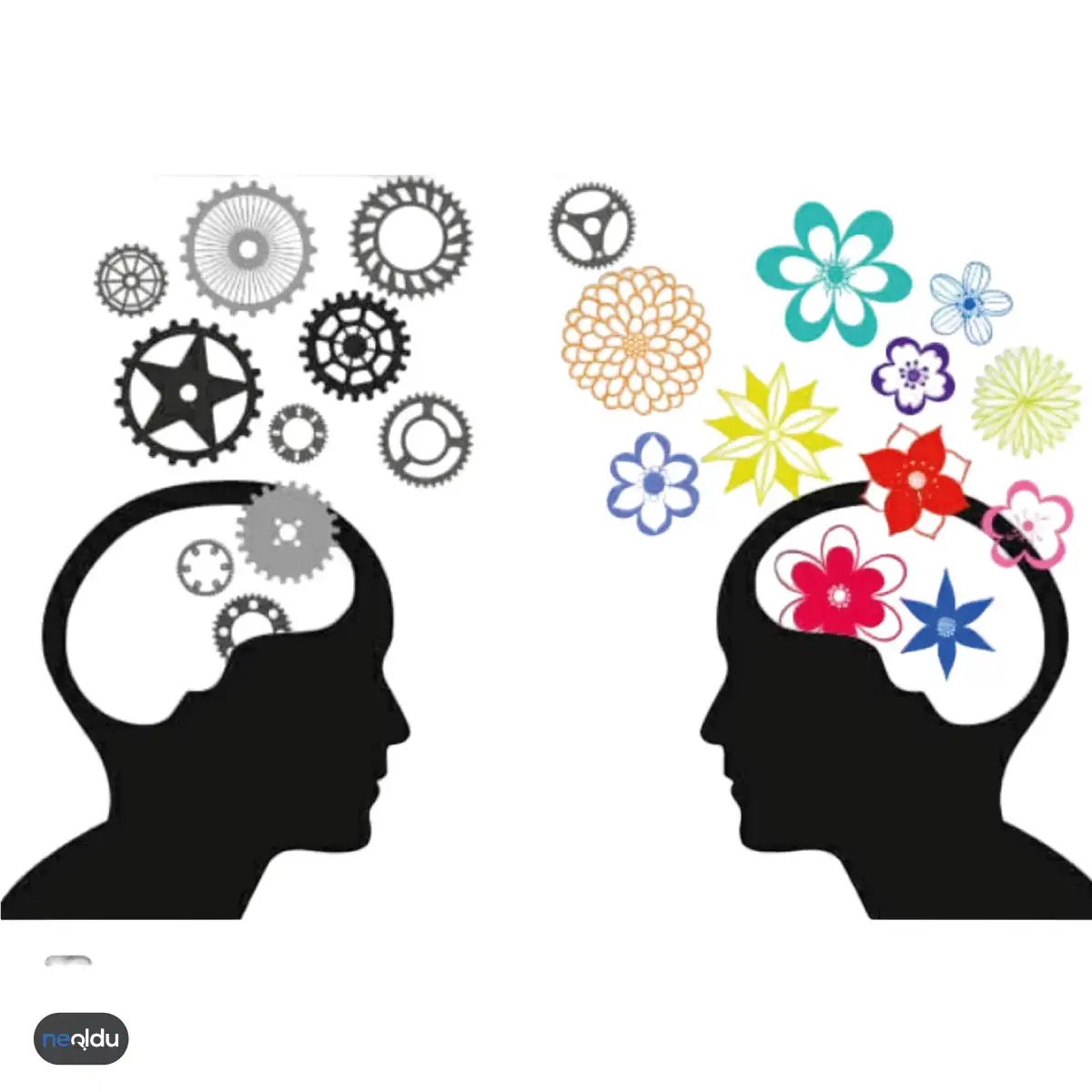
Emotional intelligence is no longer just a buzzword in HR departments or in self-help books. It is a functional ability that determines how well you navigate both your inner world and your interactions with others. While traditional IQ helps you solve complex problems, emotional intelligence (EQ) determines whether you can lead a team, maintain a relationship, or keep your cool when things go wrong.
Good news? Unlike IQ, which remains relatively static throughout adulthood, emotional intelligence is malleable. You can build it. You can sharpen it. It is one of the basic building blocks of a resilient and happy life.
If you’ve ever wondered about the mechanics behind this ability or doubted whether you can actually change your emotional patterns, this guide will break down the essentials. We explore what emotional intelligence really is and confirm that it can be developed.
What exactly is emotional intelligence?
Essentially, emotional intelligence is the ability to recognize, understand and manage our own emotions while recognizing, understanding and influencing the emotions of others.
It’s not about being “nice” or suppressing negative emotions. This is a common misconception. Real EQ means acknowledging anger, sadness, or joy without letting those emotions hijack your decision-making processes. This also includes reading the room. If you walk into a meeting and feel the tension before someone speaks, EQ is at work.
These skills form the bridge between intellectual performance and social success. A high IQ may help you get a work, but a high EQ often helps you keep it—and succeed at it.
Can emotional intelligence be developed?
This is the most important question for anyone who wants to improve their personal or professional life. The response is a resounding yes.
Neuroscience supports the idea of neuroplasticity – the ability of the brain to reorganize itself by forming new neural connections. This means that the pathways responsible for emotional regulation can be strengthened through practice. You don’t get stuck in the emotional habits you developed in childhood.
Developing EQ is a process, not an event. It requires conscious effort. You have to pay attention to the reactions. You must pause. You must choose a different response. It’s work. But it’s a work that pays off in every aspect of your life.
“Emotional intelligence is an essential prerequisite for leadership.”
-Daniel Goleman
Why it’s more important than ever
In a world that is becoming increasingly digital and disconnected, the human factor is becoming a premium asset. Automation and artificial intelligence handle logic and data processing better than humans. However, they cannot offer genuine empathy, navigate complex office politics, or inspire a struggling team member.
For students, parents and lifelong learners, EQ is a toolkit for resilience. It helps:
- Stress Management: Recognize the first signs of burnout and act.
- ** Improving Communication:** Listen to understand, not just to respond.
- Build trust: Be consistent and genuine in your interactions.
- Conflict Resolution: Defuse tensions instead of making them worse.
The basis of this ability is self-awareness. You can’t manage what you don’t understand. So where do you start? In the next step of this series, we’ll look at the specific components of EQ and how to measure your current level.

Breaking down emotional intelligence into functional pieces
Emotional intelligence is not just a buzzword or a checkbox in a company’s HR department. It’s the practical skill of recognizing your emotions, understanding why you feel them, and managing that energy without disturbing your colleagues or upsetting your friends. Think of it as social mechanics. It develops in the messy, real-time interactions of family life and peers, but its usefulness extends far beyond childhood friendships to high-stakes career moves.
Experts agree: raw IQ gets you in the door. Social and emotional skills will keep you there.
In 1995, psychologist Daniel Goleman dropped a bombshell with his book “Emotional Intelligence: Why It Can Matter More Than IQ.” He didn’t just say that feelings were important; he mapped out the architecture of EQ. In his view, you can’t just “be nice.” You need five specific components that work together. Missing one creates a bottleneck for your personal and professional development.
Self-Awareness: The Starting Point
Most people confuse being emotional with being self-aware. It’s not the same. Self-awareness is the ability to name your condition before it names you.
“Self-awareness is seeing yourself clearly, while others only see you from their own perspective.” -Daniel Goleman
Without this, you are reactive. You snap when you’re hungry, shut down when you’re stressed, and blame others for your inner discomfort. High emotional intelligence starts with brutal honesty by admitting, ‘I am anxious right now,’ instead of saying, ‘You’re annoying me.’
Self-regulation: Controlling the Impulse
Knowing you’re angry is the first step. The second step is deciding not to send that angry email. This is self-regulation. It is a pause button between stimulus and response.
In the workplace, this looks like taking a deep breath before correcting a subordinate. In a relationship, it means not saying the thing you’ll regret at 2 AM. It’s not about suppressing emotions. it’s about channeling them appropriately. If you can’t control your impulses, your competence is irrelevant. No one wants to work with a genius who is unpredictable.
Motivation: The Internal Engine
Goleman distinguishes between extrinsic motivation (money, status, praise) and intrinsic motivation (passion, curiosity, purpose). People with high EQ often rely heavily on the latter.
Why is this important for learning? Because intrinsic motivation is resilient. When you hit a wall in your studies or career, only a person driven by external rewards gives up. A person driven by genuine interest digs deeper. This component is directly related to productivity and resilience. It’s the fuel that keeps you going when the applause stops.
Empathy: Reading the room
Empathy is often mistaken for agreement. You don’t have to agree with someone to understand their point of view. Empathy is the cognitive and emotional ability to step into someone else’s shoes and see the world through their eyes.
empathy isn’t soft. It’s data. It helps anticipate client needs, resolve team conflicts before they escalate, and negotiate effectively. Without it, you’re flying blind. You miss the subtext. You miss the tension. You miss the opportunity to connect.
Social skills: The Result of the Other Four
When self-awareness is the foundation and self-regulation, motivation and empathy form the foundation
Emotional intelligence is not just a buzzword. It’s a handy toolkit. It is the ability to recognize, understand and manage one’s own emotions while recognizing, understanding and influencing the emotions of others. Researchers usually divide this complex skill into five different parts.
You don’t have to master them all at once. However, ignoring them is guaranteed to create tension in your personal and professional life. Here’s how the framework actually works.
1. Self-Awareness: The Foundation
Most people think they know how they feel. They don’t. They know they are “fine” or “stressed” but it is superficial.
Self-awareness goes deeper. It is a real-time monitoring of the internal state. It means you’ll notice your heart rate rise before you yell at your colleague. It’s about figuring out why you’re worried about the project – is it because of the deadline or fear of judgment?
High self-awareness means you notice these feelings as they arise, not in the rearview mirror. This also includes understanding your impact on others. You’ll start to see a ripple effect on your mood. How does it affect the room when you are irritable? Recognizing this connection is the first step toward control.
2. Self-Regulation: Managing Chaos
Knowing you’re angry is the first step. Dealing with this anger is step two.
Self-regulation is all about alignment. It’s about aligning your outer behavior with your inner reality, rather than letting the latter dictate the former. This does not mean suppressing emotions. Bottling them up will cause an explosion later. It means handling them so they don’t derail you.
This skill is important for mental health. It helps you avoid knee-jerk reactions to negativity, fear or pessimism. Instead of letting a bad mood overwhelm you, you can choose how you want to respond. You stay balanced. You remain functional even if something goes wrong.
3. Internal Motivation: The Drive
Money and titles are extrinsic motivators. They work for a while, then fade.
Intrinsic motivation – the kind associated with emotional intelligence – comes from within. It is a deep-rooted belief in one’s own abilities and a genuine desire to achieve. People with high emotional intelligence act on their positive emotions. You don’t wait for inspiration; They create momentum.
This drive is resilient. When you’re motivated by inner passion and not external pressure, setbacks won’t break you. They become data. This mindset is often the difference between those who give up and those who achieve their goals.
4. Empathy: Reading the room
Empathy is often misunderstood as simply “being nice”. That’s not it. It is cognitive and emotional accuracy.
It’s the ability to notice not only what someone says, but also what they feel, even if they don’t express it. Can you detect the hesitation in your colleague’s voice? Do you feel unspoken tension at a family dinner?
This requires careful observation. It’s about knowing when, where and how to speak. It’s about reading the social context so you can connect with people on their level. When you understand perspectives other than your own, you build trust faster. You reduce conflict. You make better decisions because
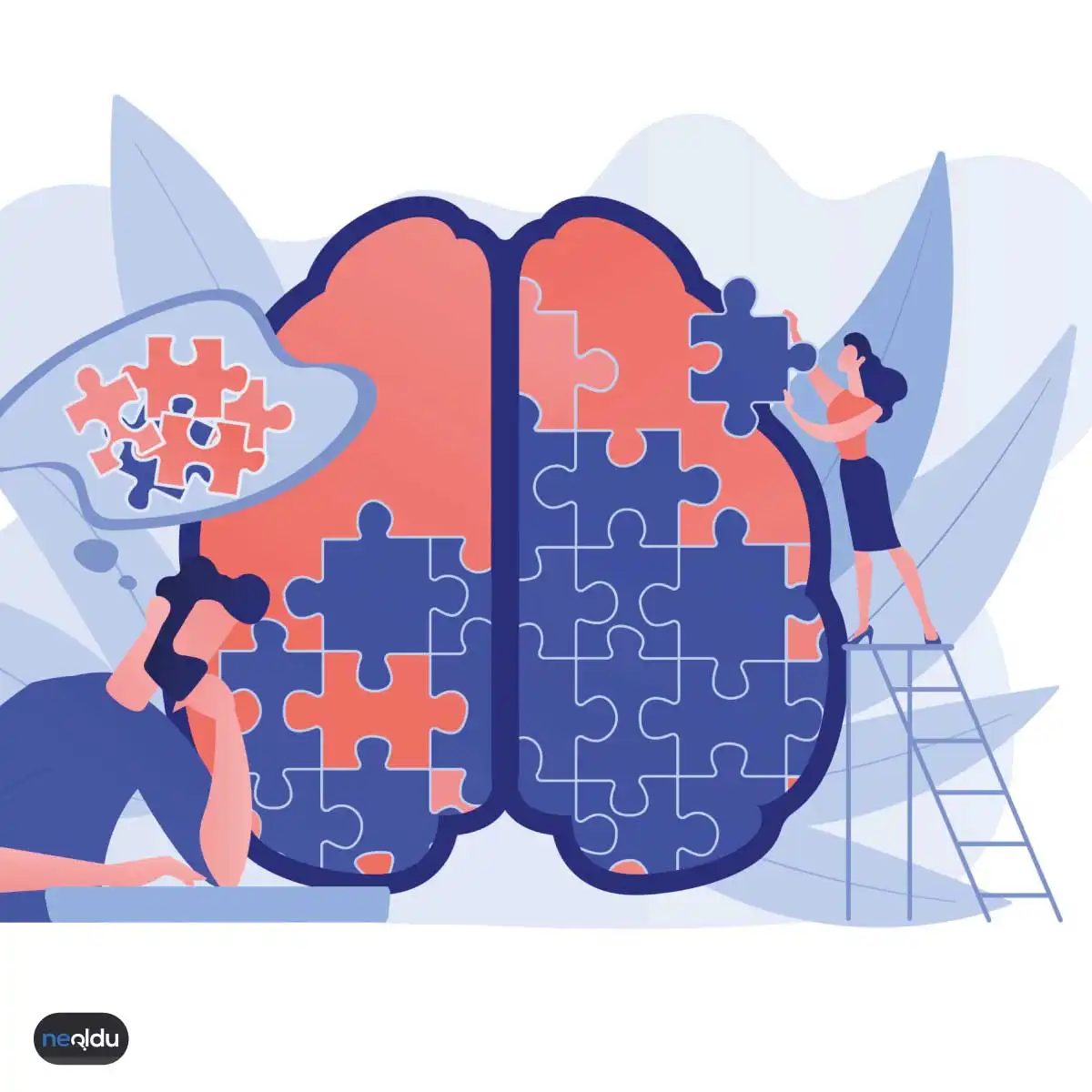
Emotional intelligence is not just a buzzword for HR departments. It is the basis of a balanced, peaceful life. A high EQ allows you to overcome internal problems while building strong connections with family and friends. People with strong emotional intelligence read their environment carefully. They guide interactions with empathy rather than force. These skills lead to positive experiences in personal relationships.
It also has a direct impact on professional success. Harmony with colleagues is no accident. It is a result of high EQ. Research supports this link. Data shows that people with strong emotional intelligence are 65% more likely to receive promotions than their peers. The workplace is a social ecosystem. Those who navigate with emotional awareness rise faster.
Why EQ is important for long-term commitment
The same skills apply to marriage as well. Emotional intelligence promotes empathy and self-sacrifice. These features help to quickly resolve family disputes. Misunderstandings do not fester when partners can express their feelings clearly.
Think about the mechanics of a healthy relationship. It requires a deep understanding from another person’s point of view. Anyone with a high EQ will recognize this nuance easily. As a result, divorce rates for these individuals are lower. They don’t just react. They answer with understanding. This reduces the friction that often leads to separation.
Practical steps to build emotional intelligence
You may wonder if this trait is hardwired at birth. It is not. You can train it. Here’s how to get started.
-
Practice active listening
Listen to understand, not to reply. Put your phone away. Focus on the speaker’s tone and body language. Ask clarifying questions. This creates trust and deepens the connection. -
Identify Your Triggers
Notice what makes you angry or afraid. Journal your reactions. Recognizing patterns helps you pause before reacting. A pause creates space for a better choice. -
Ask for feedback
Ask your trusted friends or colleagues how they see your behavior. Be open to criticism. Use it as data for growth. Most people are blind to their own blind spots. -
Develop empathy
Put yourself in other people’s shoes. Imagine their challenges and motivations. This changes your perspective from judgment to understanding. -
Manage stress
High stress levels cloud emotional judgment. Practice mindfulness or meditation. Regular exercise helps regulate emotions. A calm mind makes wiser decisions.
Emotional intelligence is a muscle. It gets stronger over time. Start small. Note the interaction today. Change your approach tomorrow. The results are piling up. Your relationship deepens. Your career is advancing. The path is not linear. There will be setbacks. But each step builds resilience. Perfection is not the goal. It is awareness. And awareness changes everything.
What exactly is emotional intelligence?
It’s everywhere. In your marriage. In your work performance. How to deal with traffic jams. However, many people still ask themselves the same question: How do you develop emotional intelligence?
The answer is not a magic pill. It’s a set of skills. Really basic. Listening. Empathy. Think before you react.
But before you can optimize these skills, you need to know who you are. Self-knowledge is the first step. People who know themselves see the world differently. They also see themselves differently.
Step two? Control. You notice the feeling. Then you manage it. Don’t let it drive the car.
Step three is confidence. When problems arise, don’t freeze. You solve. You are the solution, not the victim.
Step four is connection. You care about people. You communicate well. This is where the rubber meets the road.
Emotional intelligence is not fixed. It varies according to your family, workplace and friends. It is learned. And that leads to a happier life.
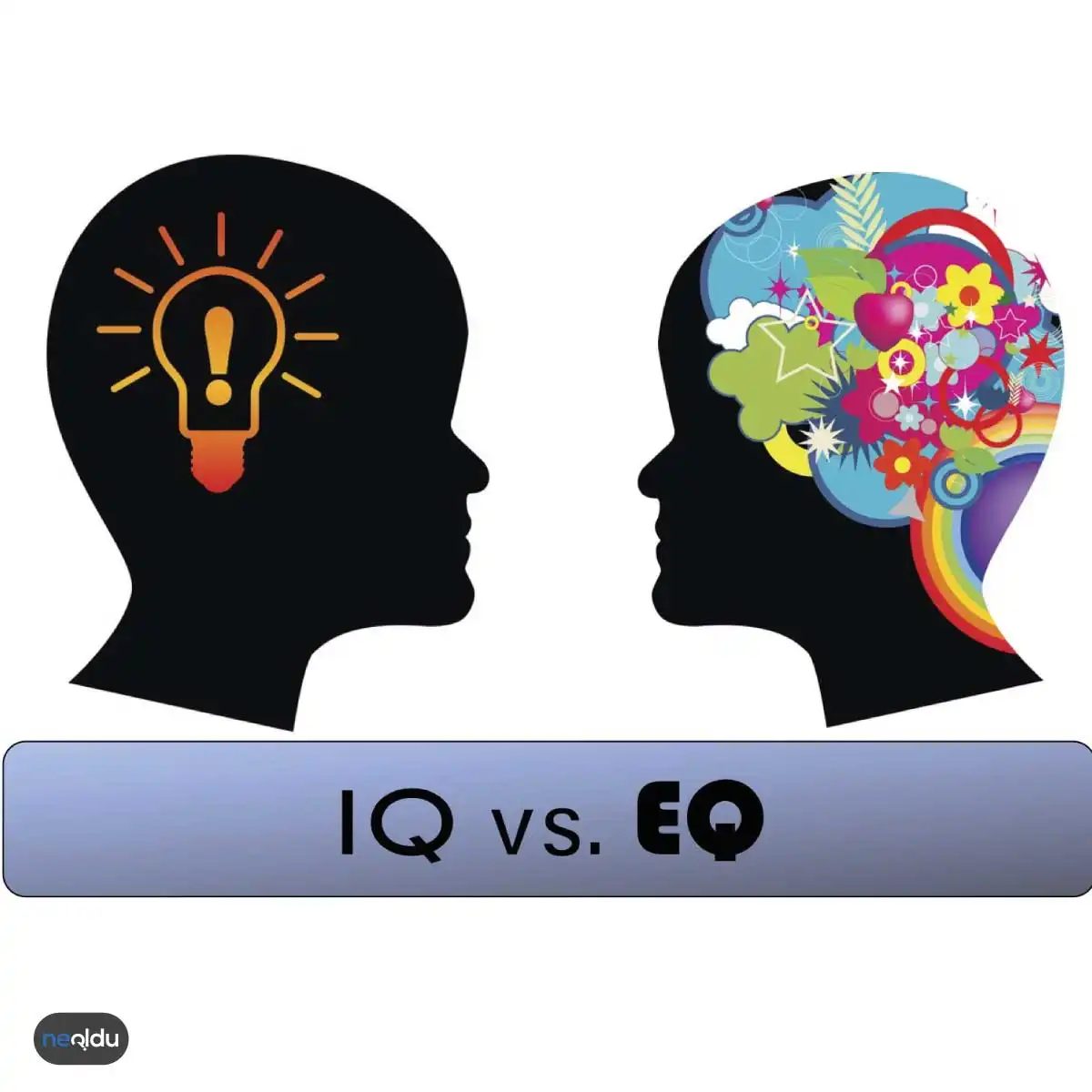
IQ vs. EQ: What’s the Real Difference?
We have been sold a lie for decades. This intelligence is only one thing. Number. IQ.
But that’s not the whole picture.
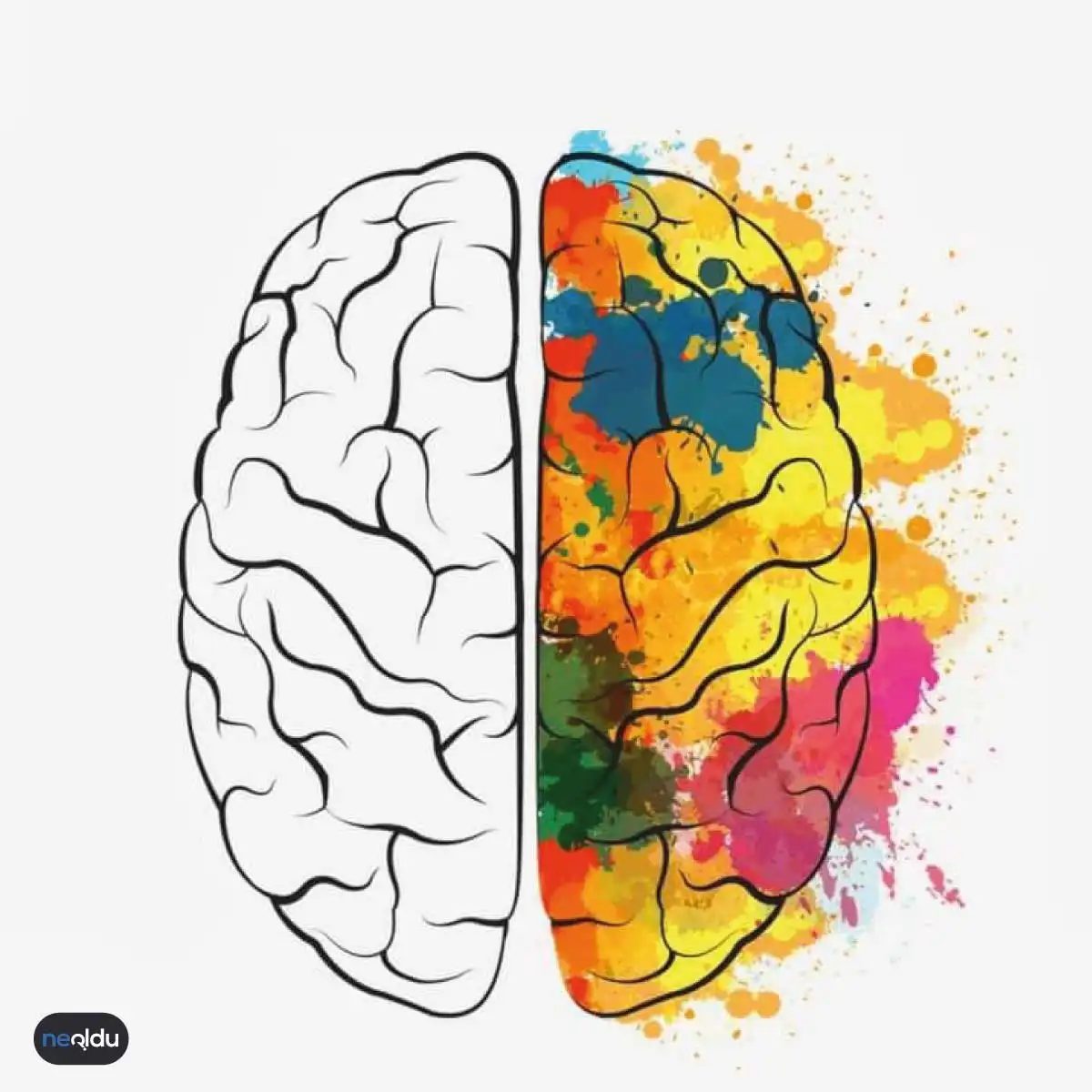
IQ measures cognitive abilities. Logic. Mathematics. Pattern recognition. It’s static. You take a test. You get points. Not much changes over time.
EQ is different. It’s fluid. It is dynamic. It’s the ability to read a room. To sense tension. To know when to speak and when to shut up.
IQ will get you a job. With EQ, you keep your job.
IQ is about what you know. EQ tells you who you are when stressed.
Which is more important? Both. But EQ is the lever that moves the needle in relationships. In leadership. In everyday peace.
EQ cannot be faked. It’s raw data about your social interactions. Process it. Learn from it.
Many people stop here. They think they’re done. They are not. The work continues. Daily.
Emotional intelligence training
You can’t just flip a switch to increase your IQ. The numbers stubbornly remain the same. Emotional intelligence is a different matter. It is malleable. You can build it. Practice it. Improve it with deliberate practice.
Experts agree on one thing. IQ and EQ are not competitors. They don’t compete for space in your brain. They are partners. Essential ones.
“Without emotional intelligence, the impact of cognitive skills is limited. Without cognitive skills, emotional intelligence lacks direction.”
Think of it this way. IQ is the engine. EQ is a steering wheel. You need both to drive anywhere. If you have a powerful engine but no steering, you will crash. If you have perfect control but no power, you will get nowhere. Success requires both.
This is why emotional intelligence training is so important. It’s not just about being nice. It’s all about effectiveness. Social dynamics are important. They always have.
Why EQ can be developed
Cognitive abilities depend heavily on neural pathways that are established early in life. Change is slow. Hard. Emotional skills are based on habits. Habits can be broken. Replaced. Rewired.
You interact with people every day. Each interaction is a data point. An opportunity to learn. A chance to adjust. IQ tests measure processing speed. Memory. Logic. They are static snapshots. EQ is a moving target. It adapts. It grows.
EQ lives in the social dimension. This is how you read a room. How you manage conflict? How you inspire a team. These are not innate talents. They are learned behaviors.
Interdependence of IQ and EQ
Some people think you can choose. They say, “I’m smart, so I don’t have to work on emotions.” This is a dangerous misconception. A high IQ without EQ leads to arrogance. Miscommunication. Isolation.
Others think, “I am empathetic, so logic doesn’t matter.” This leads to burnout. Bad decision making. Overwhelmed by other emotions without tools to analyze the situation.
The most successful people combine both. They use their cognitive power to understand complex problems. They use their emotional power to navigate the people involved in solving these problems.
It’s a synergy. Not a choice.
Practical steps for building an EQ
You don’t need a degree to get started. You need awareness.
- Listen to understand, not to reply. Most people wait their turn to speak. Stop it. Listen. Really listen. Note the tone. The pause. The unspoken tension.
- Name your emotions. If you feel angry, say it. “I’m frustrated.” Naming it weakens its power. It creates space between the trigger and your reaction.
- Seek feedback. Ask a trusted colleague or friend. “How did I handle that meeting?” “Did I come across as dismissive?” You won’t like all the answers. But you need them.
- Practice empathy in low-stakes situations. Talk to a stranger. Ask about their day. Pay attention. It seems small. It is foundational.
Where to Start?
Look at your current relationships. Identify the area where emotions are getting in the way. Conflict with partner. Difficult boss. The sibling you avoid.
Focus there. Not everywhere. One area. Use the steps. Listen. Name. Ask for feedback.
Where to Find Emotional Intelligence Training
You don’t have to navigate emotional growth alone. Certified professionals—psychologists, life coaches, and relationship experts—offer structured pathways to boost this skill set. These aren’t just abstract lectures. They are practical sessions focused on core areas like stress management, self-motivation, and handling pressure.
You can take these courses privately or in groups. Many organizations recognize that happier, more aware employees are more productive. As a result, companies often sponsor group workshops for their staff. The goal? To see positive shifts in workplace dynamics.
The timeline is usually tight. Most programs wrap up in just three to five weeks. This brevity works because the material is dense and immediately applicable. In a corporate setting, the curriculum goes beyond basic empathy. It tackles conflict resolution, taking initiative, and reading organizational cues. You’ll also learn about effective body language. These are the tools that turn awareness into action.
What Defines High Emotional Intelligence?
So, what does it actually look like to have high EQ? It isn’t just about being “nice.” It is a dual capability. First, you understand your own feelings and thoughts. Second, you can accurately interpret the emotions of others and guide them effectively.
People with strong emotional intelligence display specific, observable behaviors. They use precise emotional language rather than vague complaints. They show genuine curiosity about other people. They adapt easily when circumstances change. Perhaps most importantly, they know their own weaknesses and strengths without flinching.
They can analyze character traits in themselves and others. They act without expecting an immediate reward or favor in return. They are willing to offer guidance. And yes, they can say no. Boundaries are part of the equation.
Emotional intelligence is the ability to understand your own feelings and thoughts, as well as those of others, and to use this understanding to guide your interactions and decisions.
Signs of Emotional Deficiency
The opposite of high EQ is not just being difficult. It is a fundamental disconnect from perspective. People lacking this skill often dismiss the thoughts and feelings of others. They struggle to accept different viewpoints. This rigidity kills communication.
Without the ability to connect, relationships suffer. These individuals often end up isolated and unhappy. To cope, they hide their true emotions. Fear of vulnerability drives them to conceal their inner state from everyone around them. The result is a cycle of misunderstanding and resentment.
Measuring Your Emotional Quotient
How do you know where you stand? There are standardized tests designed to measure this. In Turkey, two specific assessments are widely used.
One is the Mayer-Salovey-Caruso Emotional Intelligence Test (MSCEIT). It focuses on the ability to perceive, use, understand, and manage emotions. The other is the BarOn Emotional-Social Intelligence Leadership Inventory. This tool looks at how emotional and social skills contribute to leadership and personal effectiveness.
Taking these tests can provide a baseline. It shows you which areas need work. Is it stress management? Is it empathy? The data doesn’t lie. It just points to the next step.
Why This Matters for Your Career and Life
High emotional intelligence correlates with success. Not just social success, but professional achievement too. When you understand the emotional undercurrents in a room, you can navigate them. You become a better leader, a better partner, and a better colleague.
But it starts with awareness


