NASA’s internal investigation into the 2024 Boeing Starliner mission reveals that a series of failures, including critical leadership and decision-making flaws, led to the prolonged stranding of astronauts Butch Wilmore and Suni Williams on the International Space Station (ISS). The report, released on Thursday, acknowledges that while technical deficiencies in the Starliner spacecraft were present, the most significant issue was a systemic breakdown in oversight and accountability.
Mission Context: A Troubled Program
The Starliner program, initiated in 2010 under NASA’s Commercial Crew Program, aimed to provide an independent means of transporting astronauts to and from low-Earth orbit. However, the program has been plagued by issues since its inception. Both uncrewed test flights in 2019 and 2022 exposed performance shortfalls in Starliner’s thrusters, yet NASA proceeded with a crewed mission on June 5, 2024. This decision is now under intense scrutiny.
Critical Failure During Docking
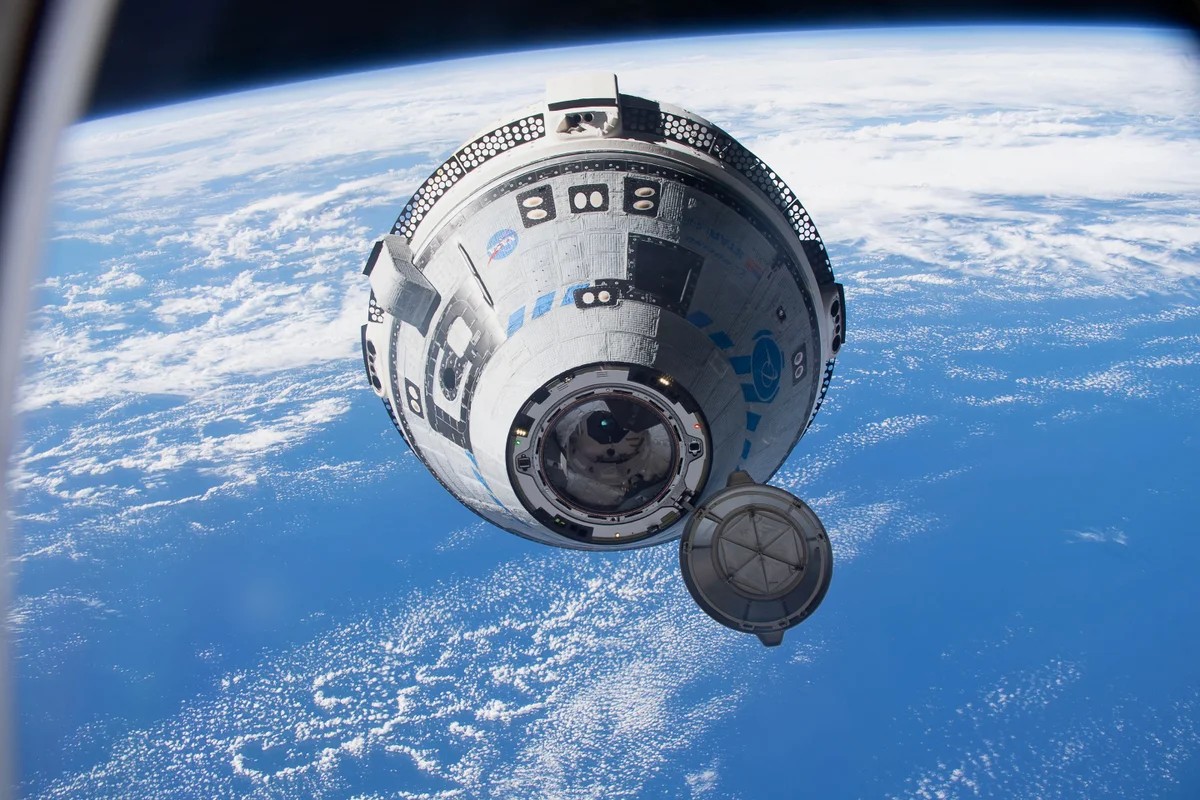
During the crewed flight, the Starliner spacecraft, named Calypso, experienced a malfunction in its thrusters while attempting to dock with the ISS. This resulted in temporary loss of control over the vehicle’s positioning in space, an event described by NASA Administrator Jared Isaacman as having “easily” risked disaster. The astronauts eventually returned to Earth in March 2025 aboard a SpaceX Dragon spacecraft after a prolonged stay on the ISS.
Leadership Accountability
NASA has classified the incident as a “Type A mishap”—the same designation given to the Challenger and Columbia space shuttle disasters, which resulted in the deaths of 14 astronauts. Isaacman emphasized that NASA shares significant responsibility for the near-catastrophe.
“We accepted the vehicle; we launched the crew to space. We made decisions from docking through postmission actions. A considerable portion of the responsibility and accountability rests here.”
The report highlights a breakdown in communication and oversight, with concerns raised about data transparency and exclusion of personnel outside Boeing and NASA’s Commercial Crew Program. Some personnel reported that astronaut safety was not prioritized as it should have been.
Cultural Breakdown and Trust Issues
Isaacman stated that the drive to prove Starliner’s viability led to a “breakdown in culture, created trust issues.” Leadership failed to recognize and address these issues, allowing them to escalate. The report suggests that NASA’s long-standing reliance on Boeing as a private contractor may have contributed to lax oversight.
The Bigger Picture
The Starliner incident underscores the inherent risks of human spaceflight and the critical importance of rigorous testing, transparent communication, and accountability. The incident raises questions about the balance between pushing innovation and prioritizing astronaut safety, especially when relying on private contractors. NASA’s acknowledgement of its own failures is a step toward preventing similar incidents, but the full extent of systemic changes needed remains to be seen.