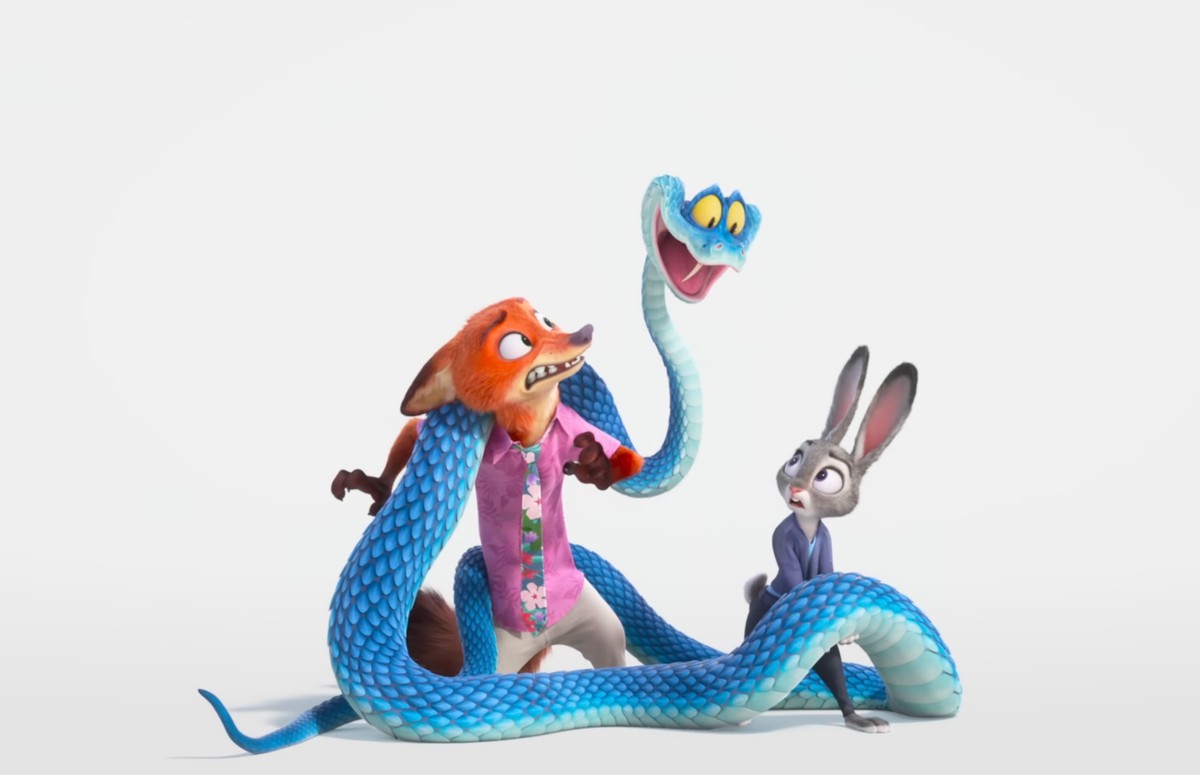
The animated sequel Zootopia 2 takes an unexpected stance, championing the misunderstood world of snakes. The film centers on Judy Hopps and Nick Wilde investigating the reasons behind the societal exclusion of reptiles, particularly snakes, in the mammal-centric city. Through the character of Gary De’Snake, voiced by Ke Huy Quan, the narrative challenges long-held prejudices, but also touches on a deeper truth: snakes are not villains; they are an essential component of a healthy ecosystem.
The Ecological Importance of Snakes
Snakes often suffer from a poor reputation in popular culture—from Disney’s The Jungle Book to sensationalist titles like Snakes on a Plane —and even in historical narratives like the biblical story of the serpent. However, their role in maintaining ecological balance is undeniable. As Emily Taylor, director of the Physiological Ecology of Reptiles Laboratory (PERL), explains, removing snakes from the food chain would have cascading negative effects.
Snakes function as mesopredators, meaning they occupy a crucial middle ground in the food web. They control populations of small rodents like mice and squirrels, while simultaneously serving as prey for larger predators such as hawks, owls, and coyotes. Eliminating them would destabilize this balance, leading to unchecked rodent reproduction and widespread vegetation damage.
The Numbers Speak for Themselves
Recent studies highlight the magnitude of this impact. Australian researchers estimate that a single adult eastern brown snake consumes approximately 50 mice annually, potentially removing thousands of rodents per square kilometer of farmland. This predation isn’t just about population control; it also limits the spread of rodent-borne diseases like hantaviruses, bubonic plague, and Lyme disease. While snakes can carry Salmonella, their disease risk to humans pales in comparison to that of rodents.
Furthermore, snakes contribute to ecosystem health as seed dispersers. By consuming small mammals that digest seeds, they “rescue” viable seeds through excretion, effectively acting as mobile fertilizer distributors.
The Persistence of Irrational Fear
Despite their ecological benefits, snakes remain among the most feared creatures in human societies. A 2001 Gallup poll found Americans more afraid of snakes than heights, needles, or public speaking. While snake bites claim an estimated 81,410 to 137,880 lives globally each year, the risk is significantly lower in countries with advanced medical care, where fatalities average around five per year.
The negative portrayal of snakes in popular culture only fuels this fear. By showcasing snakes as gentle creatures that pose minimal threat to humans, Zootopia 2 encourages a shift in perception. Appreciating snakes from a distance can foster understanding and respect, rather than irrational panic.
Ultimately, the film serves as a reminder that even the most feared creatures play a vital role in the natural world. Preserving biodiversity isn’t just about saving charismatic megafauna; it’s about recognizing the indispensable contributions of every species, including the often-vilified snake.