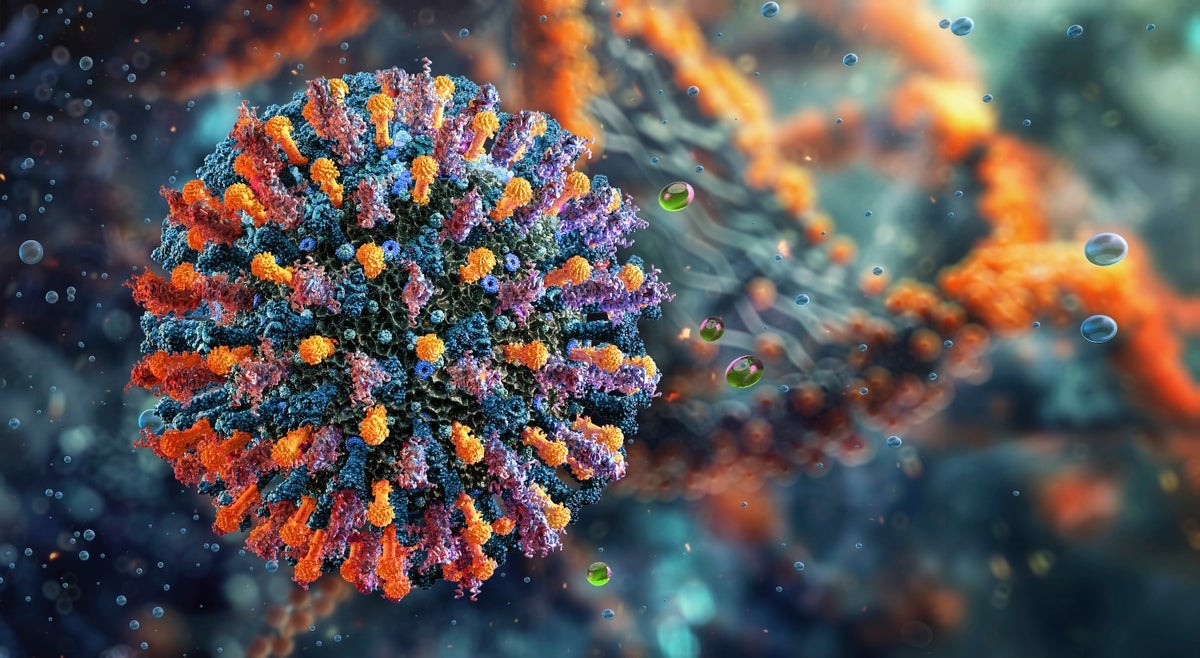
A resurgence of mumps infections is being observed across the United States, with the Centers for Disease Control and Prevention (CDC) reporting at least 34 cases in 11 regions. Maryland, in particular, has issued an official alert due to 26 confirmed cases as of February 19th. This outbreak underscores the growing threat of vaccine-preventable diseases amid declining vaccination rates.
Why Mumps is Back
Mumps is a highly contagious viral infection that causes painful swelling in the salivary glands, along with symptoms like fever, headache, and muscle aches. The disease spreads through respiratory droplets and direct contact, making crowded environments such as schools, universities, and prisons particularly vulnerable.
The MMR vaccine provides effective protection against mumps, with two doses achieving approximately 86% efficacy. However, vaccine hesitancy and falling childhood vaccination rates—a trend exacerbated by anti-vaccine sentiment following the COVID-19 pandemic—are reversing decades of progress. Measles outbreaks have already spiked last year, and now mumps is joining the list.
Complications and Severity
While mumps is often mild in children, it can be severe in teenagers and adults. Serious complications include orchitis (testicular swelling) which can lead to infertility, oophoritis (ovarian inflammation), mastitis (breast inflammation), meningitis, encephalitis, and even permanent hearing loss. Unvaccinated individuals face a significantly higher risk of infection and severe consequences.
Historical Context and Prevention
Before the introduction of the mumps vaccine in 1967, the disease was widespread. Vaccination led to a 99% decrease in cases, but outbreaks persist where immunity is low. Current recommendations advise two MMR doses: one between 12-15 months and another between 4-6 years. Even with vaccination, immunity can wane over time, leading to breakthrough infections, though these are typically milder.
This resurgence of mumps serves as a critical reminder of the importance of vaccination in maintaining public health. Declining rates aren’t just a matter of individual choice; they undermine herd immunity and put vulnerable populations at risk.