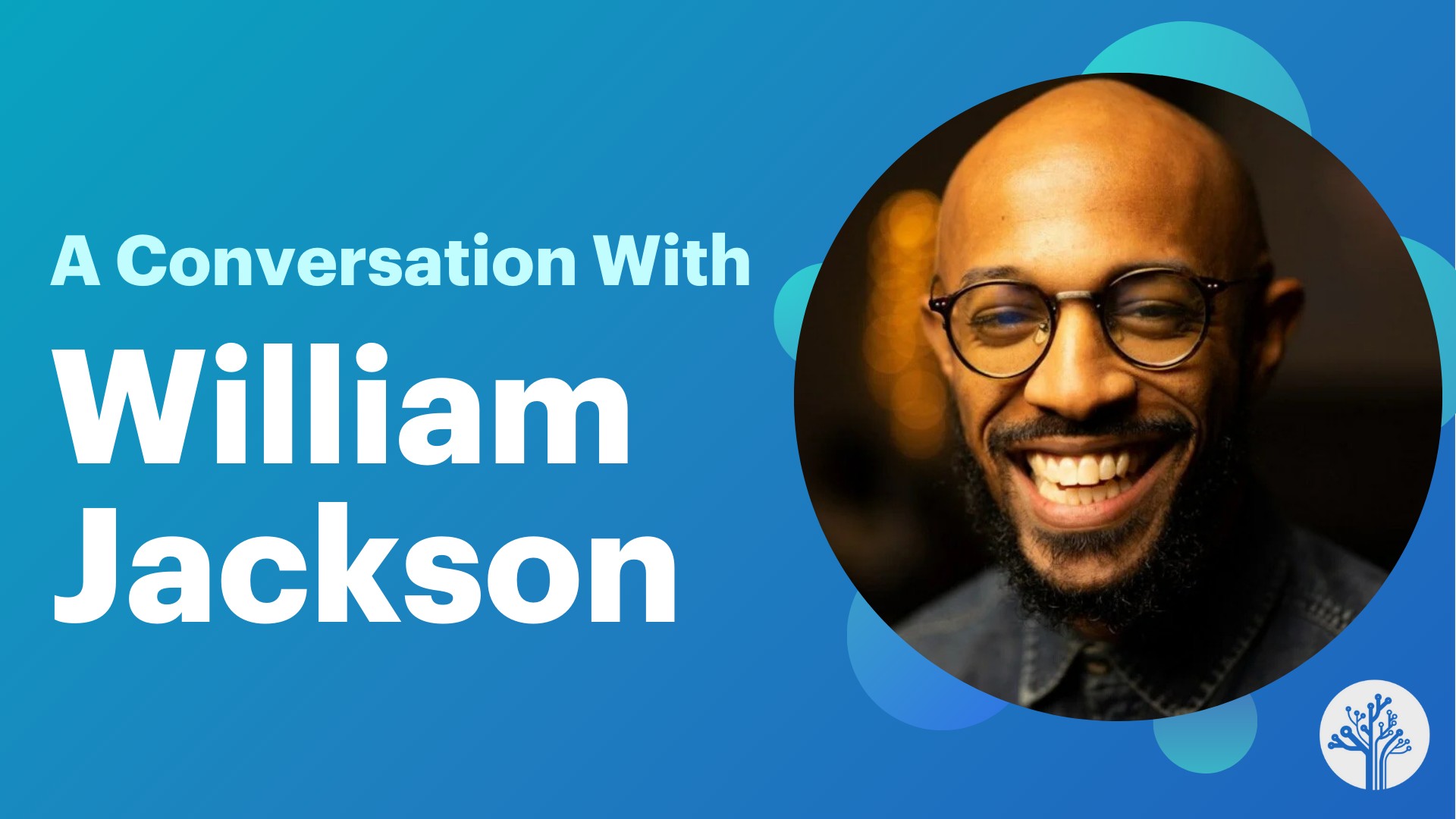
The Village of Wisdom, a nonprofit founded by Dr. William Jackson, is pioneering a new approach to education: harnessing the collective power of Black parents to ensure culturally affirming learning environments for all students. The organization isn’t just advocating for parents; it’s building systems that elevate their voices, validate their expertise, and position them as leaders in shaping the future of education. This isn’t merely about parental involvement; it’s about recognizing that systemic change requires empowering those historically marginalized to define the terms of their children’s success.
The Origins of Village of Wisdom: Failing Forward
Dr. Jackson’s inspiration stems from a childhood steeped in unapologetic affirmation. His mother instilled in him the belief that Black scientists were the norm, not the exception, and his father taught him resilience through constant tinkering and inevitable failure. This upbringing shaped his understanding that true progress demands a willingness to experiment, adapt, and persist even when facing systemic resistance. The Village of Wisdom was born from this foundation, a direct response to a post-Obama “post-racial” society that still demanded proof of its own necessity.
The core insight is simple: affirming Black children’s racial identity is a critical shield against the microaggressions and devaluation they often encounter in schools. But Dr. Jackson quickly realized that parents themselves often lacked the same affirmation, making it impossible to effectively instill it in their children. This led to a fundamental shift in the organization’s approach: prioritizing the empowerment of parents first.
The Power of Affirmation: Filling the Cup Before Pouring Out
The Village of Wisdom recognized a painful truth: you can’t ask someone to pour into another if they haven’t been poured into themselves. For too long, societal narratives have painted Black parents in deficit terms—absent fathers, struggling mothers. This toxic framing undermines their confidence and ability to advocate effectively for their children.
The organization addresses this head-on by creating spaces where parents can explore their own identities, receive affirmation, and build collective power. This isn’t about “fixing” parents; it’s about acknowledging the systemic forces that have historically denied them the same support and validation as their white counterparts. Dr. Jackson emphasizes that true empowerment isn’t just about giving parents a voice; it’s about giving them the resources, time, and space to find their own.
Beyond Workshops: Rest as Resistance
The Village of Wisdom’s “Dream” initiative exemplifies this radical approach. Recognizing that exhausted minds yield limited vision, the organization began paying parents to rest. This isn’t just a perk; it’s a deliberate strategy to unlock expansive imagination. By incentivizing stillness, the organization acknowledges that visionary leadership requires well-being, not burnout.
As Dr. Jackson puts it, “Tired minds, tired dreams.” The Dream initiative isn’t just about asking parents what they want for their children; it’s about creating the conditions for them to envision a truly different future. This is about reclaiming agency and shaping a world where Black children aren’t just surviving but thriving on their own terms.
The Future of Education: Shifting Power Dynamics
The Village of Wisdom isn’t simply advocating for change; it’s actively building the infrastructure to make it happen. By positioning parents as thought leaders, researchers, and policy influencers, the organization is flipping the script on traditional power dynamics. This isn’t just about representation; it’s about fundamentally altering who gets to define success in education.
The organization’s work serves as a powerful reminder that lasting change requires not just good intentions but a ruthless commitment to centering those who have been historically excluded. The Village of Wisdom is proving that when you invest in the well-being and agency of Black parents, you don’t just empower families; you reshape the entire educational landscape.