You see the streak. Flash. Gone.
Ever wonder what it was? Not a star. Stars don’t do that. You just watched the finale of a 4.6-billion-year commute.
I’m the director of Peters Observatory at Hamilton College. I spend my nights looking up. Most of you are seeing comets or asteroids say goodbye.
Leftovers From The Big Mess
Go back to when the solar system was basically a baby. 4.6 billion years. Just a ball of gas and dust collapsing inward to form the Sun. Dust clumped together in colder, farther-out spots. Those clumps got called planetesimals.
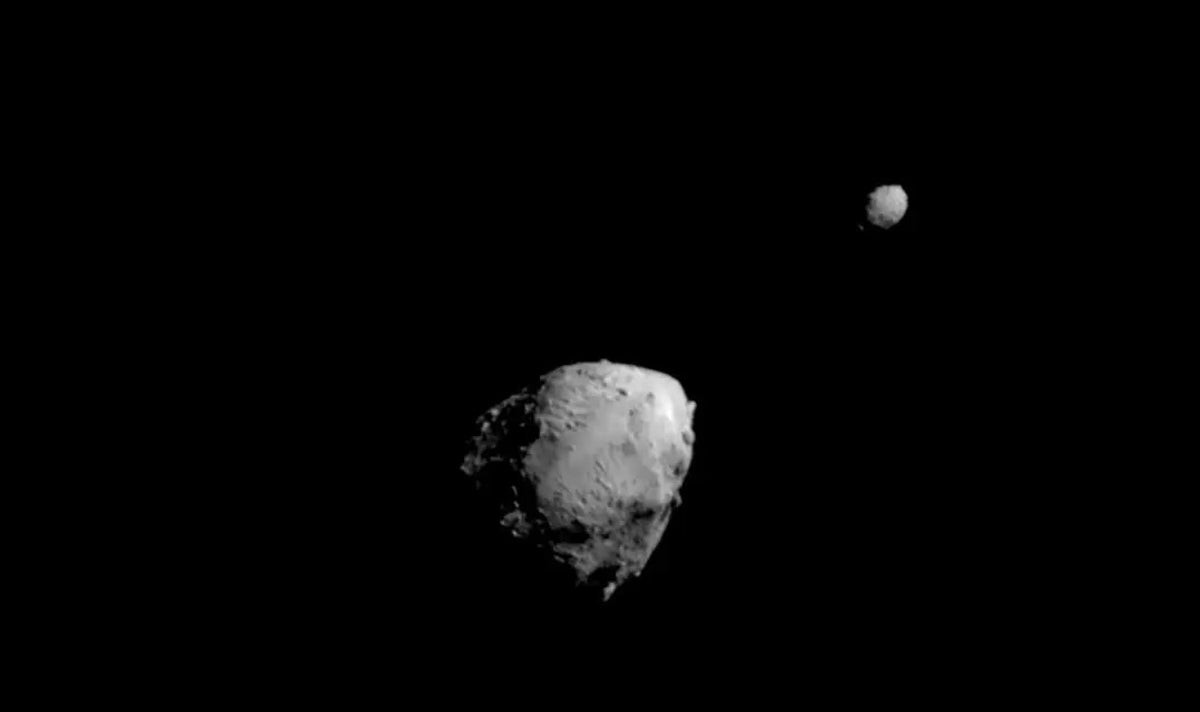
Inner solar system? Hot. Planetesimals there hardened into rock and metal. They couldn’t keep any ice. They clumped up bigger. Mercury. Venus. Earth. Mars. Terrestrial planets. What didn’t make it into a planet became the asteroids. Still hanging out in the warm zone.
Outer solar system? Cold enough for water to freeze.
The planetesimals there mixed rock and metal with ice. Some got really big, fast enough to grab onto hydrogen and helium gas. Gravity held the atmospheres in place. Jupiter. Saturn. Uranus. Neptune. Jovian giants. The rest? They stayed small. Cold. Icy. Comets.
The Burn
Asteroids stick around in the inner system. Eventually one gets careless. It hits Earth.
Dozens of miles per second.
Entry creates a sonic boom. Thunder in the sky. Shock waves rip through the air as it breaks the sound barrier. Then the air molecules fight back. Friction. Pressure. Heat. The rock usually vaporizes before it touches ground. The vaporizing debris? That bright streak. We call it a meteor. Colloquially. You call it a shooting star. It’s just burning gas.
Comets play by different rules, though.
They live far away, yes. But sometimes their orbits dip inside. Long elliptical paths. As they get near the Sun they start melting. Dust. Ice. Gas. They leave a trail. A dirty snowball shedding skin.
If Earth crosses that path we run right through the debris. Vaporizes. Dozens of light trails at once. Meteor showers. It happens every year in the same spot in our orbit. Find a dark patch of sky. Wait. You’ll see them.
The Few That Make It
What happens when a piece of rock doesn’t fully vaporize?
It hits the ground. Now it’s a meteorite.
Usually these come from asteroids. Big ones. Larger than a football field. They are hard to spot. Why? They look like regular Earth rocks. You’ll usually find them in deserts. Or on ice sheets. Places that haven’t changed much in millennia. The black glass of a meteor stands out against white snow.
Check the weight. They are often magnetic. Iron and nickel. Look at the shape. Sometimes pockmarked. Sometimes smooth, coated in a thin crust from the atmosphere burn.
Rare? Yes. Important? Absolutely. They are samples of the early solar system. Old stuff. If you think you found one check if it fits the bill then call a geologist. Don’t just pocket it and claim fame.
Next time you see that flash remember you are watching something die. It traveled billions of years just to burn up for three seconds in our atmosphere.
Do we thank it for the light? Maybe not. But it’s pretty.