May 2nd. That’s when the World Health Organization got word that cases of hantvirus had surfaced on the MV Hondius cruise ship.
Then the internet exploded.
Misinformation didn’t trickle in. It flooded.
Katrine Wallace, an epidemiologist at University of Illinois Chicago, puts it plainly. This isn’t just a bunch of isolated rumors flying around.
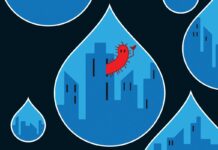
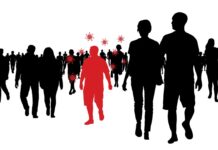
Hantvirus misinformation is operating not like isolated rumors but morelike a standing online ecosystem.
It’s a plug-and-play system. Ready to latch onto any new health threat within hours.
Much of the noise looks familiar. If you lived through 2020, you’ve heard these songs before. People are claiming ivermectin cures the virus. Others say vaccines caused it. These are old COVID-era conspiracies wearing new hats.
But let’s not assume everyone spreading lies is doing it on purpose.
Monica Wang, a researcher at Boston University, says fear is its own kind of virus. Public health officials have told us the risk is low. We hear that. We ignore it. Why?
We’re still recovering from the collective trauma going through COVID-19 People are still carrying that residual fcar exhaustion and distrust.
Recalibrating the Panic
The Andes strain of hantavirus isn’t brand new. Scientists know it.
Outbreaks like this are rare.
That rarity makes it shiny for the media. It makes it scary for us.
Wang says we react to unfamiliar diseases with the familiar fear we learned during the pandemic. We’re trying to apply COVID rules to a game that doesn’t play by the same laws. It’s a mismatch. And it’s misleading us.
Look at the facts. They are starkly different from SARS-CoV-2.
- Hantvirus has been studied before. The virus behind COVID was entirely unknown to science.
- Person-to-person transmission is harder for hantavirus. It usually needs close contact. Airborne spread? Can’t be ruled out but it’s not the main driver.
- This outbreak is contained. Most at-risk people are in quarantine and under watch. Early COVID? It ran wild.
- Contagion timing is different. Hantvirus likely peaks when you look sick. You could be sick with SARS-CoV-2 without knowing it and passing it to everyone in a coffee shop.
“It’s very hard for people to grasp the science of a new疾病” Wallace says. (Wait. Did I use Chinese there? No. Stick to the source.) It is hard for people to grasp.
So when things feel weird or unexplainable, we default to what we already believe.
Authorities are hiding something.
There’s a cure they’re suppressing.
Buy this weird antiparasitic drug.
Ivermectin won’t fix this. There is zero evidence.
But it helps the narrative. It sells. And people like Marjorie Taylor Greene or loud health influencers have huge megaphones. They amplify the confusion.
Your brain is broken (in a helpful way)
COVID trauma hijacks your logic.
You see a new virus? You assume the apocalypse.
Humans aren’t wired for happiness They’re wired for survival.
If there’s a threat out there your brain screams: Look closer.
You notice fear. You notice surprise. You notice disgust. You’re checking for physical safety. Social safety. Emotional safety.
Psychologists call this negativity bias. Or specifically threat bias.
Scary posts win. Reassuring posts? Buried.
Social media apps hate you in the best way. They don’t care about facts.
These social media platforms reward engagement not facts.
If you saw it in your feed it’s probably there because it made you angry or terrified. Not because it was true.
How to spot the junk
Forty percent of US adults get health news from social media and podcasts, per a recent Pew survey.
You can’t avoid it.
The algorithm brings it to you.
So how do you filter it?
Distrust certainty.
If someone is speaking with absolute confidence about what’s happening with hantivirus, run.
Responsible scientists know what they don’t know. They talk in probabilities. They talk in caveats. Conspiracials talk in absolutes.
They might want your money. They might want clicks. Or maybe they just want clout.
Right now Wallace suggests you be suspicious of anyone telling you to panic.
This pattern is concerning. The conspiratorial frame from 2020 is just waiting for the next villain. It plugs itself into the new hole.
Misinformation travels faster than truth. Always.
So what happens when the next thing comes along?