Recent research suggests a surprising link between personality traits associated with the Harry Potter universe and real-world entrepreneurial success. A study conducted by researchers at the University of Amsterdam found that individuals identifying with Gryffindor and Slytherin houses are statistically more likely to pursue start-up ventures.
The Hogwarts Houses as Personality Profiles
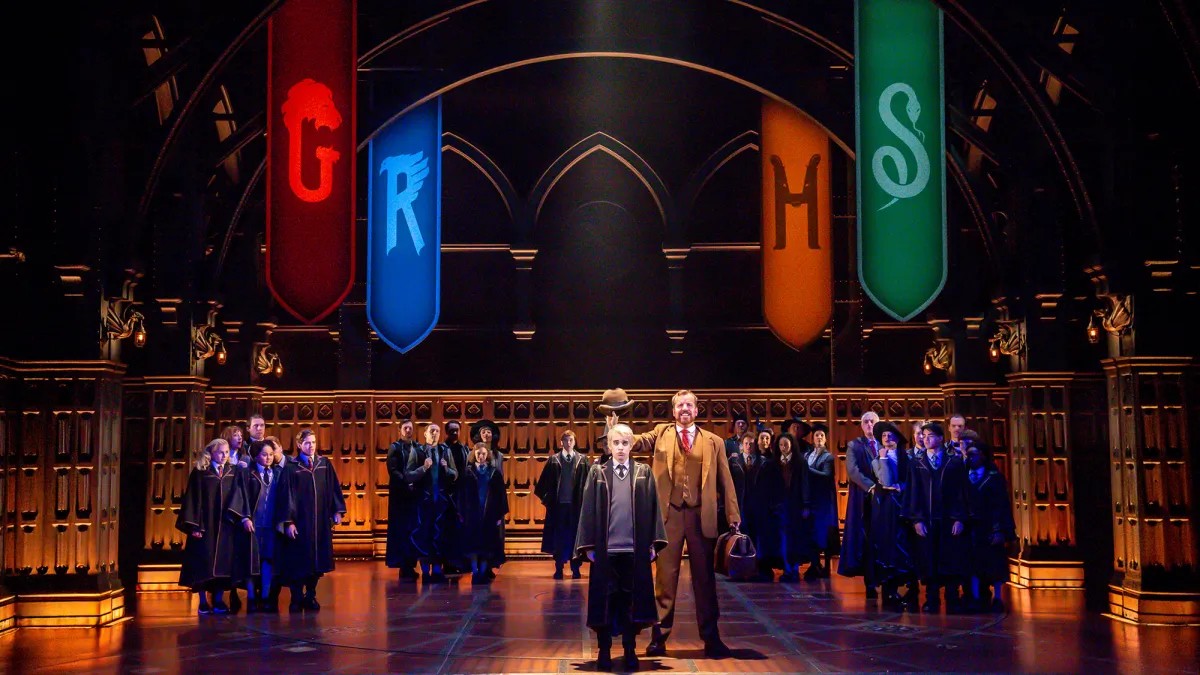
The study leverages established archetypes from the Harry Potter series: Gryffindors are known for bravery, courage, and a willingness to defy convention; Slytherins for ambition, cunning, and strategic rule-bending; Hufflepuffs for loyalty and hard work; and Ravenclaws for diligence and intellect.
Researchers analyzed data from nearly 800,000 participants who took an online Harry Potter house quiz, finding that regions with higher concentrations of Gryffindors and Slytherins showed roughly 7% more start-up density than other areas. A follow-up survey of 820 U.S. residents confirmed this trend at the individual level: those with Gryffindor or Slytherin traits expressed a greater interest in founding businesses.
Why This Matters: The Role of “Deviance”
The key factor driving this correlation isn’t just courage or ambition, but a shared tendency to challenge rules and authority. Researchers call this trait “deviance”, but it’s essentially the willingness to disrupt the status quo – a hallmark of successful entrepreneurs. This aligns with a long-standing economic theory proposed by Joseph Schumpeter, who argued that innovation thrives when entrepreneurs break established norms.
The study further distinguishes between bright deviance (Gryffindors acting out of moral conviction) and dark deviance (Slytherins acting strategically for personal gain). Both, however, can fuel entrepreneurial drive.
The Limits of Loyalty and Intelligence
The study found weaker links between Hufflepuff and Ravenclaw traits and entrepreneurial activity. Loyalty and hard work, while valuable, may discourage risk-taking. While intelligence (a Ravenclaw strength) is often associated with business success, the research did not find a direct correlation between high IQ and entrepreneurial ambition.
Fiction as Insight
The researchers admit the methodology initially felt like “scholarly mischief,” but the results held up across multiple studies. This suggests that fictional narratives can offer surprising insights into human behavior, particularly when it comes to complex traits like motivation and risk tolerance. The study emphasizes that there’s no single “entrepreneurial personality,” but rather a spectrum of traits – including a willingness to bend the rules – that can drive success.
In essence, the study suggests that whether you’re driven by courage or cunning, a willingness to challenge conventions is a powerful predictor of entrepreneurial spirit.