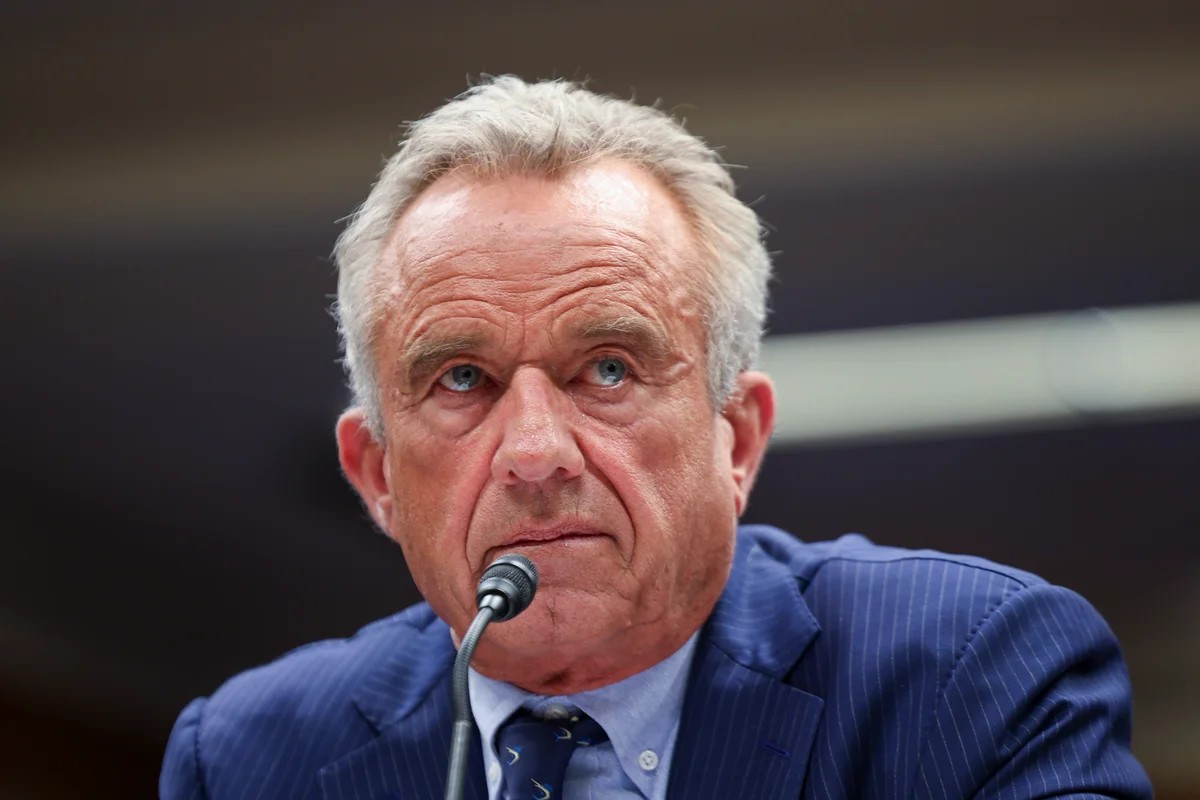
A federal judge has temporarily blocked key elements of Health and Human Services Secretary Robert F. Kennedy, Jr.’s overhaul of U.S. childhood vaccine policy. The decision, issued Monday by U.S. District Judge Brian Murphy in Boston, sides with six medical groups – including the American Academy of Pediatrics (AAP) – who challenged the rule changes in court.
CDC Vaccine Recommendations Paused
The judge stayed the Centers for Disease Control and Prevention’s (CDC) recent decision to reduce the number of routinely recommended childhood vaccines from 17 to 11. This change, made in January, drew strong criticism from public health experts concerned about potential risks to children’s health.
The reduction in recommended vaccines raised significant questions about the rationale behind the shift and its potential impact on herd immunity, a critical aspect of preventing disease outbreaks. The CDC’s decision was seen by many as a departure from established scientific consensus, prompting the legal challenge.
Vaccine Advisory Board Appointments Blocked
Judge Murphy also halted the appointments of 13 members to the influential Advisory Committee on Immunization Practices (ACIP). The court found that these appointments likely violated the Federal Advisory Committee Act. Secretary Kennedy had previously dismissed all existing ACIP members and replaced them. The ruling temporarily reverses any decisions made by the newly appointed panelists.
The lawsuit argued that Kennedy’s appointed ACIP members lacked the necessary qualifications to make sound vaccine policy recommendations. The AAP’s President, Andrew Racine, emphasized the importance of science-based decision-making: “If we’re going to have vaccine recommendations for the children and families of this country, it has to be based on science.”
Next Steps and HHS Response
The ACIP was scheduled to meet Wednesday to discuss vaccine policy. Following the ruling, the AAP’s legal counsel questioned whether the meeting would proceed. The Department of Health and Human Services (HHS) spokesman, Andrew Nixon, stated that the department expects the judge’s decision to be overturned, similar to previous attempts to challenge administrative authority.
This ruling underscores the legal and political battles surrounding vaccine policy, as well as the importance of independent scientific review in public health decisions. The long-term impact of this injunction will depend on further court proceedings and whether the administration appeals the decision.
The judge’s intervention highlights the tension between administrative policy shifts and established public health protocols. This case raises broader questions about the role of political appointees in shaping scientific recommendations and the safeguards in place to ensure evidence-based decision-making.