The Kansas City metropolitan area, divided by the border between Kansas and Missouri, is becoming a testing ground for a unified approach to modern education. Through the Real World Learning (RWL) ecosystem, educators and industry leaders are working to bridge the gap between classroom theory and professional reality, ensuring students graduate with more than just a diploma.
A Unified Vision Across State Borders
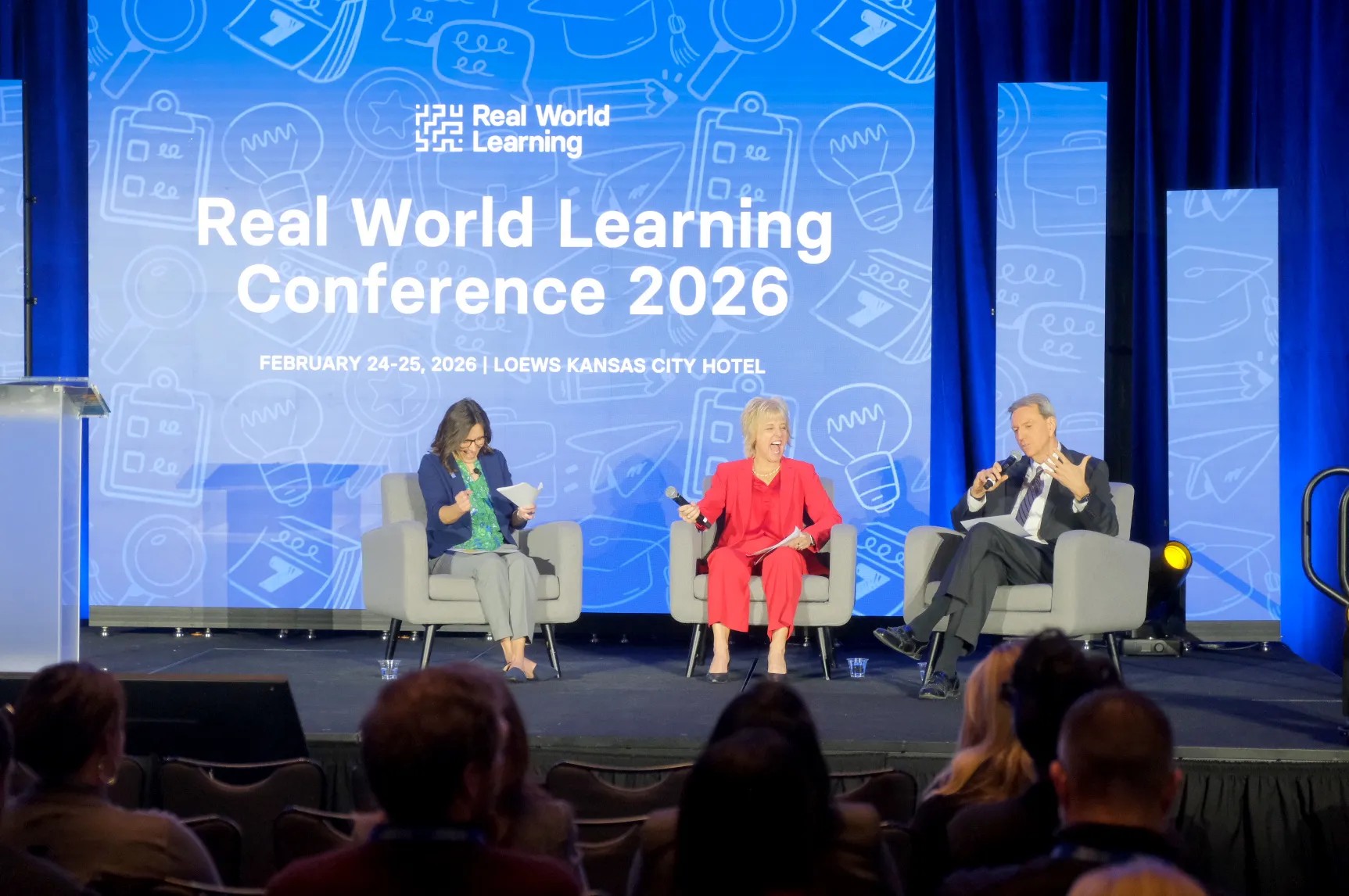
On April 16, the RWL ecosystem will convene for its District Planning Summit. This gathering follows a successful conference in February and aims to expand access to “Market Value Asset” attainment—a framework designed to ensure students acquire skills that are actually in demand in the modern economy.
What makes this initiative unique is its level of cross-border collaboration. While Kansas and Missouri operate under different educational regulations and systems, the RWL initiative has managed to align school administrators, curriculum leaders, and business partners from both states toward a single goal: reimagining the high school experience.
The Shift from “Hard Skills” to “Durable Skills”
A central theme emerging from recent discussions between state education leaders is the distinction between technical training and long-term adaptability.
- The Role of Hands-on Learning: Kelli Jones, Missouri Deputy Commissioner of Learning Services, notes that student engagement skyrockets when education feels “real.” When students see the direct application of their studies to life outside school, their motivation to attend and participate increases significantly.
- The Importance of “Durable Skills”: Randy Watson, Commissioner from the Kansas Department of Education, emphasizes that while “hard skills” (technical abilities) are necessary, they are not enough. Employers are increasingly looking for durable skills —the soft skills that allow a person to navigate any career path.
Key Competencies for the Modern Workforce
According to the RWL framework, the transition from adolescence to adulthood requires specific psychological and social competencies, including:
– Self-advocacy: The ability to communicate needs and navigate professional environments.
– Proactivity: Moving from following directions to directing one’s own future.
– Self-direction: The capacity to manage tasks and learning independently.
Why This Matters: The Connection Gap
Historically, a disconnect has existed between what schools teach and what the workforce requires. Educators often remain confined to the classroom, while businesses operate in a vacuum regarding the local talent pipeline.
The RWL model seeks to break these silos. By encouraging educators to step out of the classroom and engage directly with chambers of commerce and industry leaders, the initiative ensures that the curriculum evolves alongside the economy. This creates a feedback loop: businesses signal their needs, and schools adapt their teaching to meet them.
“When we’re all on the same page, and we’re all driving the train the same direction, it’s a good thing,” says Kelli Jones.
Looking Ahead
The ultimate objective of this regional collaboration is to ensure that students across the six-county metro area are not just “educated,” but are joyfully and gainfully employed. By focusing on both technical proficiency and lifelong character skills, the RWL initiative aims to turn students into champions of their own professional futures.
Conclusion: By aligning educational standards across state lines and integrating industry needs into the classroom, Real World Learning is creating a more cohesive, practical, and engaging pathway from high school to a successful career.