A team of Romanian scientists has extracted and analyzed a 5,000-year-old bacterial strain from an underground ice cave, revealing a surprising level of antibiotic resistance and potential for new biotechnological solutions. The discovery, detailed in the journal Frontiers in Microbiology, underscores the critical role of environmental research in addressing the global crisis of antibiotic resistance.
The Ice Cave Discovery: A Deep Freeze of Genetic History
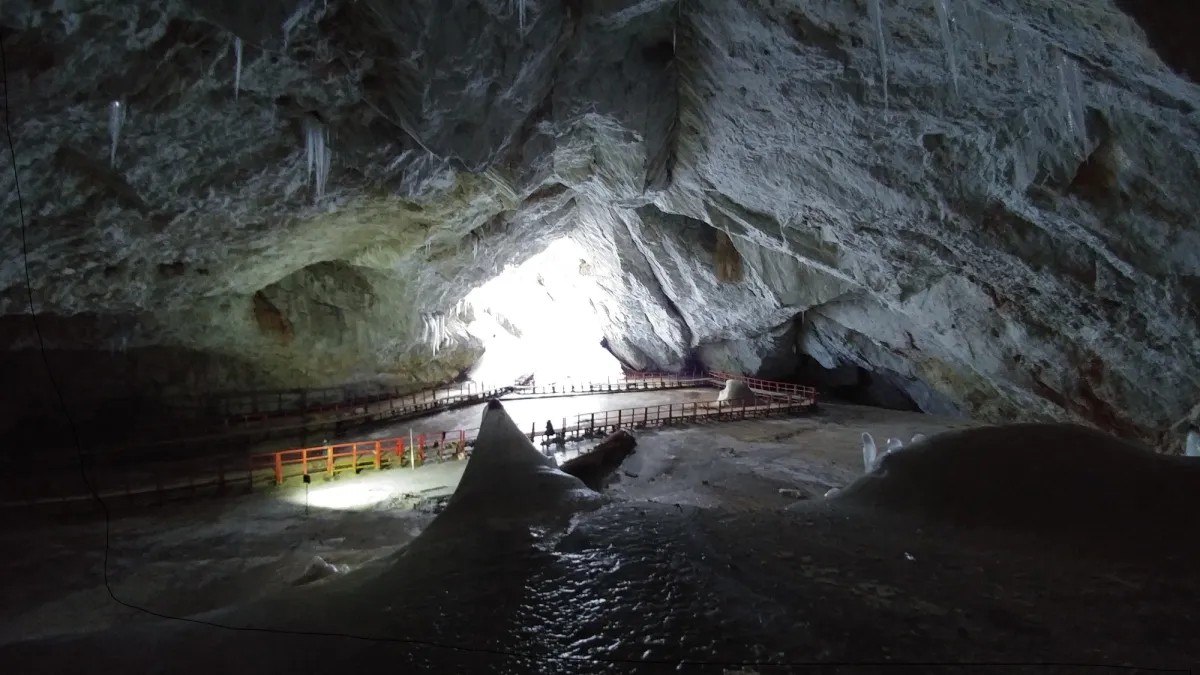
The bacterial strain, named Psychrobacter SC65A.3, was recovered from an 82-foot ice core drilled in the Scărişoara Ice Cave in Romania. This core represents over 13,000 years of accumulated ice, making it a unique archive of past microbial life. Researchers extracted fragments under sterile conditions to prevent contamination and sequenced the genome to understand its resistance mechanisms.
The study found that Psychrobacter SC65A.3 carries over 100 genes related to antibiotic resistance, even though it existed long before modern antibiotics were introduced. This suggests that resistance evolved naturally in the environment, and ancient microbes may act as reservoirs of these genes.
Why This Matters: The Rising Threat of Superbugs
Antibiotic resistance is a growing public health crisis. The World Health Organization estimates that it caused over 1.27 million deaths worldwide in 2019. As bacteria evolve to evade treatment, infections become harder to cure, and medical interventions become less effective. Identifying new sources of antibiotics or strategies to combat resistance is therefore a top priority for scientists and policymakers.
The Strain’s Unique Abilities: Resistance and Inhibition
The Psychrobacter SC65A.3 strain exhibits resistance to ten commonly used antibiotics, including rifampicin, vancomycin, and ciprofloxacin – drugs used to treat severe infections like tuberculosis, UTIs, and skin infections.
Notably, the strain also shows the ability to inhibit the growth of several antibiotic-resistant “superbugs”. This means that the ancient bacteria produces compounds that can kill or suppress the growth of dangerous, modern pathogens.
The Genetic Potential: Untapped Enzymes and Compounds
The genome of Psychrobacter SC65A.3 contains almost 600 genes with unknown functions, and 11 genes that may kill or stop the growth of other bacteria, fungi, and viruses. This suggests that the strain holds untapped biotechnological potential for novel antibiotics, industrial enzymes, and treatments for other diseases.
Risks and Rewards: Handling Ancient Microbes
The release of ancient microbes into modern environments poses a risk of spreading antibiotic resistance genes. However, the potential benefits of studying these strains – including the discovery of new compounds to combat resistance – outweigh the risks, provided researchers follow strict safety protocols.
“These ancient bacteria are essential for science and medicine,” said study co-author Dr. Cristina Purcarea, “but careful handling and safety measures in the lab are essential to mitigate the risk of uncontrolled spread.”
In conclusion, the discovery of Psychrobacter SC65A.3 highlights the untapped potential of extreme environments to reveal solutions for modern medical challenges. By studying ancient microbes, scientists may uncover new strategies to combat antibiotic resistance, ultimately protecting public health against the growing threat of superbugs.