A recent outbreak of deadly bacterial meningitis in the United Kingdom underscores the importance of proactive vaccination strategies in preventing the rapid spread of infectious diseases. Health officials are racing to contain the outbreak, which has already affected thousands, particularly among students, with at least two fatalities confirmed as of March 19th. The outbreak, first detected at the University of Kent, has prompted a large-scale antibiotic and vaccination campaign targeting potentially exposed individuals.
The Threat of Meningococcal Meningitis
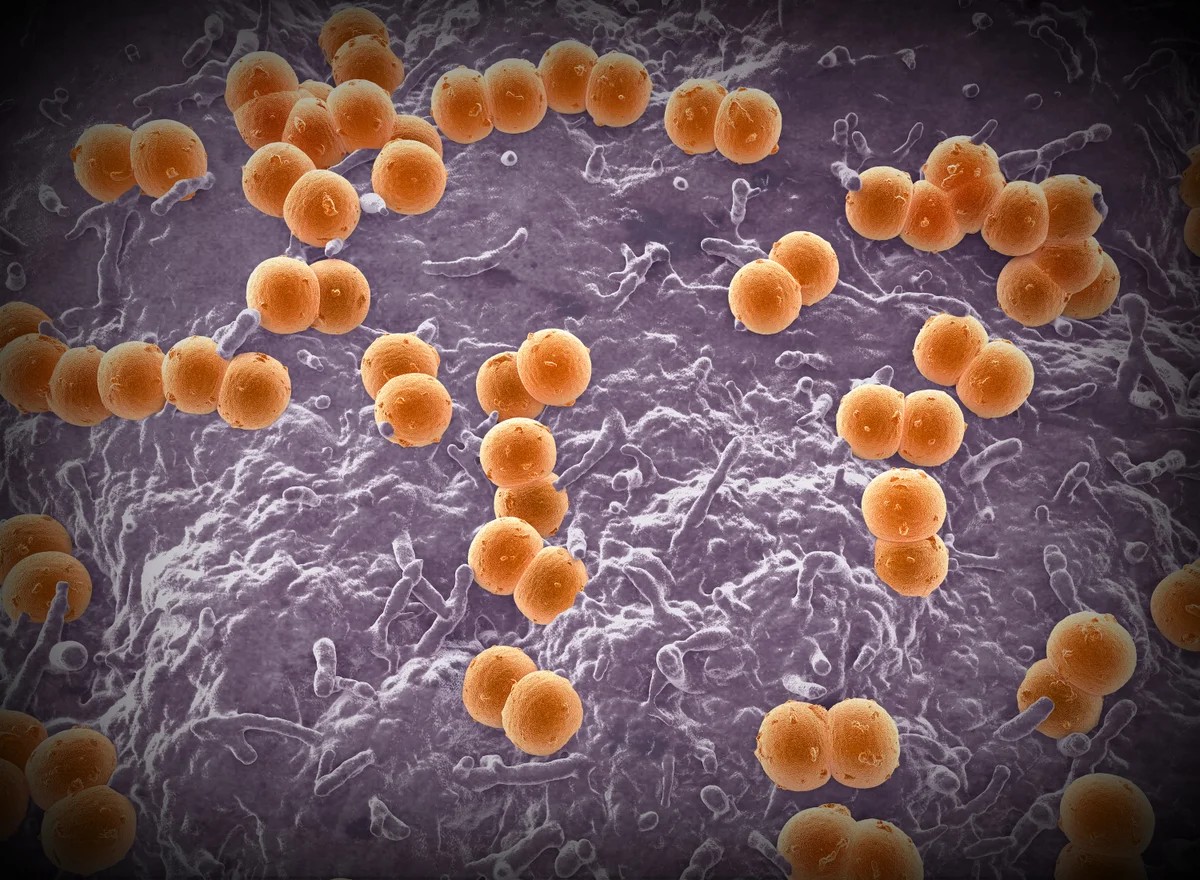
Meningitis is an inflammation of the membranes surrounding the brain and spinal cord, with bacterial forms being particularly dangerous. The current outbreak involves Neisseria meningitidis, a highly contagious bacterium spread through close contact and aerosolized droplets. Initial symptoms include fever, headache, and a distinctive rash that doesn’t fade under pressure. If left untreated, the infection can progress rapidly to delirium, coma, and even death. Even with treatment, survivors may face long-term disabilities such as hearing loss or amputation due to severe inflammation.
The speed of transmission in enclosed settings—dormitories, military barracks, and detention centers—makes outbreaks particularly devastating.
Vaccination as Primary Prevention
While antibiotics can treat bacterial meningitis, experts emphasize that routine vaccination is the most effective prevention method. The U.K. recommends MenACWY vaccines for teenagers and MenB vaccines for infants, with a booster at age one. The current outbreak is driven by the rarer MenB strain, prompting targeted vaccination efforts in affected areas.
The U.S. has also seen an uptick in cases since 2021, particularly with strain Y, though vaccination recommendations have recently faced political challenges. In January, the CDC rolled back a recommendation for universal childhood meningitis vaccination, a decision temporarily blocked by a court ruling. The long-term status of these recommendations remains uncertain.
Vaccine Effectiveness and Global Trends
Two primary vaccines exist: MenACWY, covering strains A, C, W, and Y, and MenB, targeting the less common B strain. Both vaccines are highly safe and effective, though protection levels wane over time—approximately five years for MenACWY and one to two years for MenB.
This highlights the importance of timely vaccination and booster schedules, particularly as children enter high-risk environments like college campuses. Many U.S. colleges and the military already mandate these vaccines for students and recruits.
The success of comprehensive vaccination programs in both the U.K. and the U.S. has dramatically reduced the incidence of this once-feared disease, proving that widespread immunization remains the most reliable defense against preventable outbreaks.
The current situation in the U.K. serves as a stark reminder: when it comes to deadly infectious diseases, prevention through vaccination is not just recommended—it’s essential.