A contentious five-year study funded by the U.S. Department of Health and Human Services (HHS) to assess the long-term effects of the hepatitis B vaccine on newborns in Guinea-Bissau will continue as planned, despite reports of its cancellation and significant ethical objections. The $1.6 million trial, awarded without competition to Danish researchers with ties to anti-vaccine activists, has ignited debate over its methodology and implications for public health.
Study Design and Ethical Concerns
The HBV0-NSE trial will randomly assign half of 14,000 newborns in Guinea-Bissau to receive the hepatitis B vaccine at birth, while the other half will remain unvaccinated. This approach has drawn criticism because it deliberately withholds a potentially life-saving vaccine from a vulnerable population in a country where hepatitis B prevalence is high (approximately 18.7%) and linked to severe health outcomes like liver cancer and cirrhosis.
Why this matters: Guinea-Bissau has limited resources, but the withholding of a well-established vaccine from half the newborns raises serious questions about the study’s ethical justification. The U.S. recommended universal hepatitis B vaccination for newborns in 1991, yet the trial design purposefully mimics conditions where the vaccine is unavailable, creating an artificial experiment with real-world consequences.
Further exacerbating concerns, the leaked study protocol does not include comprehensive hepatitis B testing for mothers, meaning that unvaccinated infants will almost certainly contract the disease, effectively ensuring that the study measures the consequences of infection rather than the vaccine’s impact.
Conflicting Reports and HHS Response
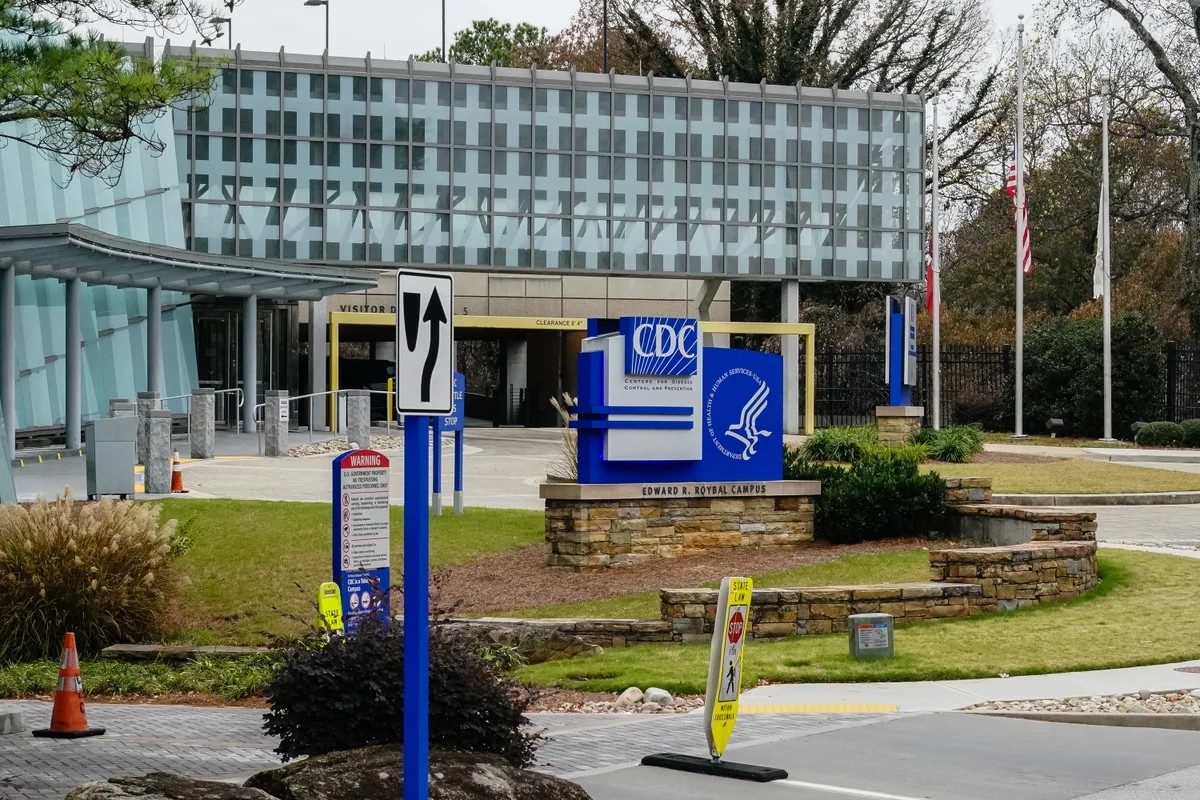
On Thursday, reports circulated that the Africa Centres for Disease Control and Prevention (Africa CDC) had halted the trial due to ethical issues. However, an HHS official immediately refuted this claim to Scientific American, stating the study would proceed as planned. HHS later dismissed Africa CDC’s statement as a public-relations maneuver designed to distort public perception rather than engage with scientific facts.
Context: The dispute highlights a power imbalance in global health research. The U.S. HHS, under Robert F. Kennedy, Jr., appears determined to press forward with the trial despite opposition from African health authorities.
The Justification for the Trial
HHS defends the study by arguing it will fill critical evidence gaps in global hepatitis B vaccine policy. According to HHS, withholding the vaccine from half of the newborns is acceptable because Guinea-Bissau’s current policy does not mandate universal vaccination until 2027. The department also claims the study represents a unique opportunity to assess the overall health effects of the vaccine, implying that no other research has adequately addressed this question.
Why this is debatable: Critics argue that this justification is weak, given the proven efficacy of the vaccine and the severe risks of untreated hepatitis B infection. The trial’s design appears less about scientific advancement and more about creating a controlled experiment in a real-world setting, regardless of the potential harm to participants.
Conclusion
The hepatitis B vaccine trial in Guinea-Bissau will proceed under controversial circumstances, pitting U.S. health officials against African authorities and raising fundamental ethical questions about research in vulnerable populations. The study’s design, which deliberately withholds a proven vaccine from half of the newborns, remains the central point of contention, highlighting a troubling disregard for established public health practices and potentially exposing infants to preventable disease.