Recent breakthroughs in artificial intelligence, experimental medicine, and botany are reshaping our understanding of life itself. From decoding the “dark matter” of DNA to sustaining a human without lungs, and overturning established theories about plant evolution—science is pushing boundaries at an unprecedented pace. Here’s a breakdown of the latest developments.
AI Decodes the “Dark Matter” of DNA
Google researchers have unveiled AlphaGenome, an AI model capable of predicting the function of non-coding DNA. For decades, scientists have sequenced the human genome, yet vast stretches of it remained a mystery. This “dark matter” of DNA doesn’t directly code for proteins but regulates how genes are expressed—essentially controlling which proteins are made and when.
AlphaGenome streamlines this process by testing hypotheses about gene regulation, allowing researchers to move faster and more efficiently. While treatments are still years away, this tool unlocks crucial insights into how diseases like cancer hijack cellular messaging.
Man Survives 48 Hours Without Lungs
In a groundbreaking medical feat, doctors at Northwestern University kept a 33-year-old patient alive for two days without lungs. The patient arrived with acute respiratory distress syndrome (ARDS), a life-threatening condition where fluid fills the lungs, making breathing impossible. His condition deteriorated so severely that his lungs, heart, and kidneys began failing.
Rather than rely on standard ECMO life support, doctors removed the patient’s lungs entirely and jerry-rigged a total artificial lung system. This stabilized him until a double lung transplant could be performed. The case highlights the severity of respiratory infections like the flu and the potential for fully artificial organ support.
Botanical Mystery Solves Evolutionary Puzzle
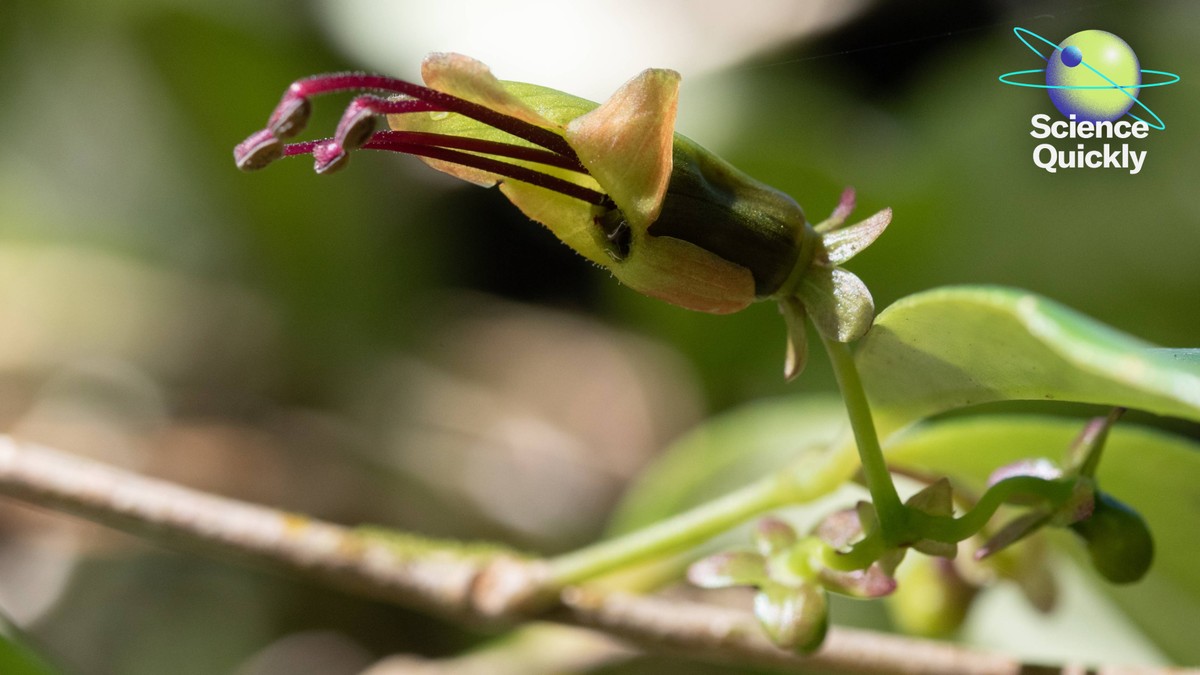
A study published in New Phytologist has challenged long-held theories about plant evolution. Lipstick vines, normally pollinated by sunbirds in mainland Asia, have a variant on Taiwan that is pollinated by generalist birds. The Grant-Stebbins model assumes plants adapt to new locations by evolving to attract local pollinators. However, DNA analysis reveals that the Taiwanese vine evolved before reaching the island.
This contradicts the established model, suggesting some plant species evolve in one region and then spread, rather than adapting after arrival. As lead author Jing-Yi Lu put it, the results are “exciting” because they “don’t follow the classic ideas of how we would have imagined the species evolved.”
These breakthroughs in AI, medicine, and botany demonstrate how quickly our understanding of life is evolving. Each discovery raises new questions, pushing scientists to re-examine fundamental assumptions and explore uncharted territory.