Artificial intelligence, particularly large language models (LLMs), operates on a simple principle: it generates text based on the patterns within its training data. This means an AI cannot predict future breakthroughs because those haven’t been written about yet. As Adam Mastroianni aptly put it, an AI given only ancient knowledge would logically conclude that lunar landings are impossible.
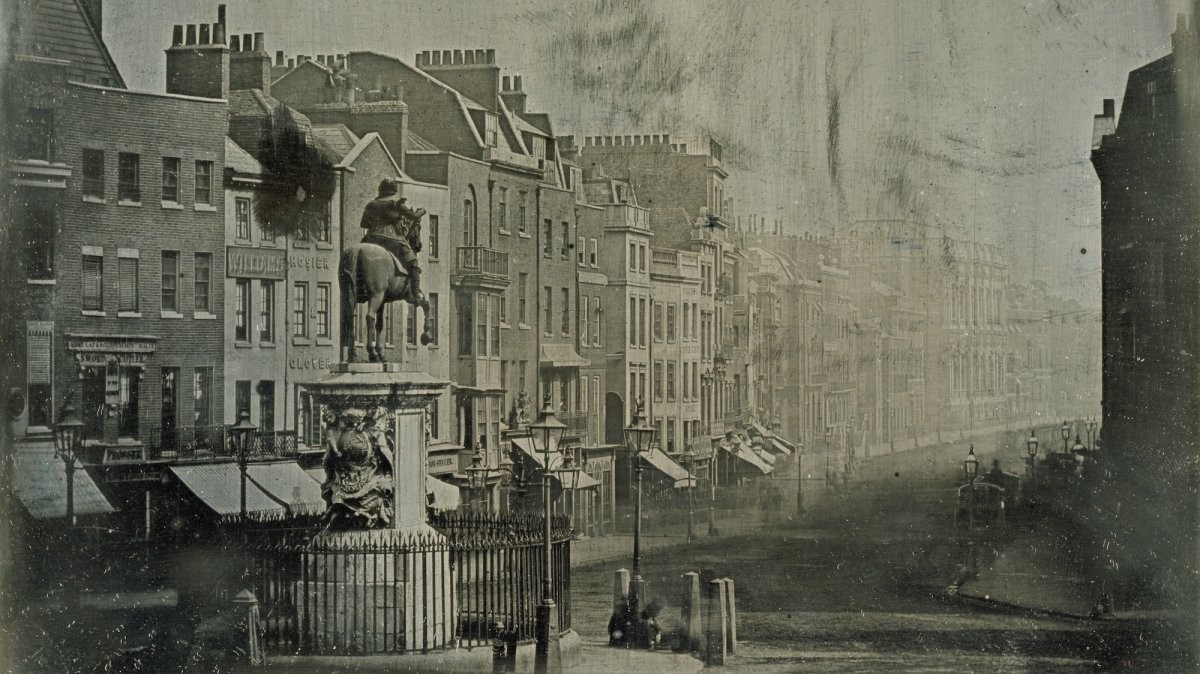
This limitation sparked an intriguing experiment: what if an AI were deliberately confined to the knowledge of a specific historical period? Hayk Grigorian, a student at Muhlenberg College, built TimeCapsuleLLM – an AI trained exclusively on 90 gigabytes of text from 19th-century London (1800-1875). While still a hobby project, the model has demonstrated an ability to recall historical details. When prompted with “It was the year of our Lord 1834,” it accurately referenced contemporary protests and the policies of Lord Palmerston.
The Potential for Historical Research
This isn’t just a curiosity; researchers are exploring how such “Historical Large Language Models” (HLLMs) could revolutionize the study of past societies. A recent paper in the Proceedings of the National Academy of Sciences suggests these models could provide insight into historical psychology. Imagine comparing the economic behaviors of Vikings, Romans, or medieval Japanese through AI simulations. This approach could potentially unlock a deeper understanding of human nature across different eras.
“Responses from these faux individuals can reflect the psychology of past societies, allowing for a more robust and interdisciplinary science of human nature,” the PNAS paper states.
Challenges and Caveats
However, the method isn’t without its flaws. Surviving historical texts are skewed toward the perspectives of elites, not the common people. This means HLLMs might not accurately represent the everyday thinking of past populations. Additionally, biases from the researchers who build these models could inadvertently influence the generated text. Any attempt to reconstruct past psychology must acknowledge that the AI’s output will inevitably be filtered through a modern lens.
It remains to be seen whether HLLMs will become a mainstream tool in psychological research or remain a niche pursuit for enthusiasts. Nevertheless, the experiment highlights a unique way to leverage AI: not to predict the future, but to re-examine the past.
Ultimately, these models are limited by the data they’re fed – yet they offer a fresh, if imperfect, method for probing the minds of those who came before us.