Respiratory syncytial virus (RSV) is circulating widely across the U.S., contributing to a surge in winter illnesses alongside influenza and whooping cough. While RSV typically causes mild cold-like symptoms, it remains the leading cause of infant hospitalizations in the United States, with particularly high risk during the first two months of life.
Fortunately, highly effective interventions now exist to protect newborns. These include vaccination during pregnancy and direct administration of protective antibodies to infants. The Centers for Disease Control and Prevention (CDC) reports that RSV activity is rising in many regions, but prevention is possible.
The Threat to Infants
RSV can cause severe lung infections, pneumonia, and even death in young children. The virus triggers excessive mucus production, obstructing tiny airways and making breathing difficult. Even otherwise healthy infants may require ventilator support. The impact is significant: nearly everyone contracts RSV at some point, but for infants, the consequences can be life-threatening.
Two Key Protective Measures
Two new tools became available in 2023 to shield newborns from RSV before their immune systems fully develop:
- Maternal Vaccination: Administering an RSV vaccine to pregnant people between 32 and 36 weeks’ gestation boosts antibodies that transfer to the fetus via the placenta. These antibodies block the virus from infecting cells.
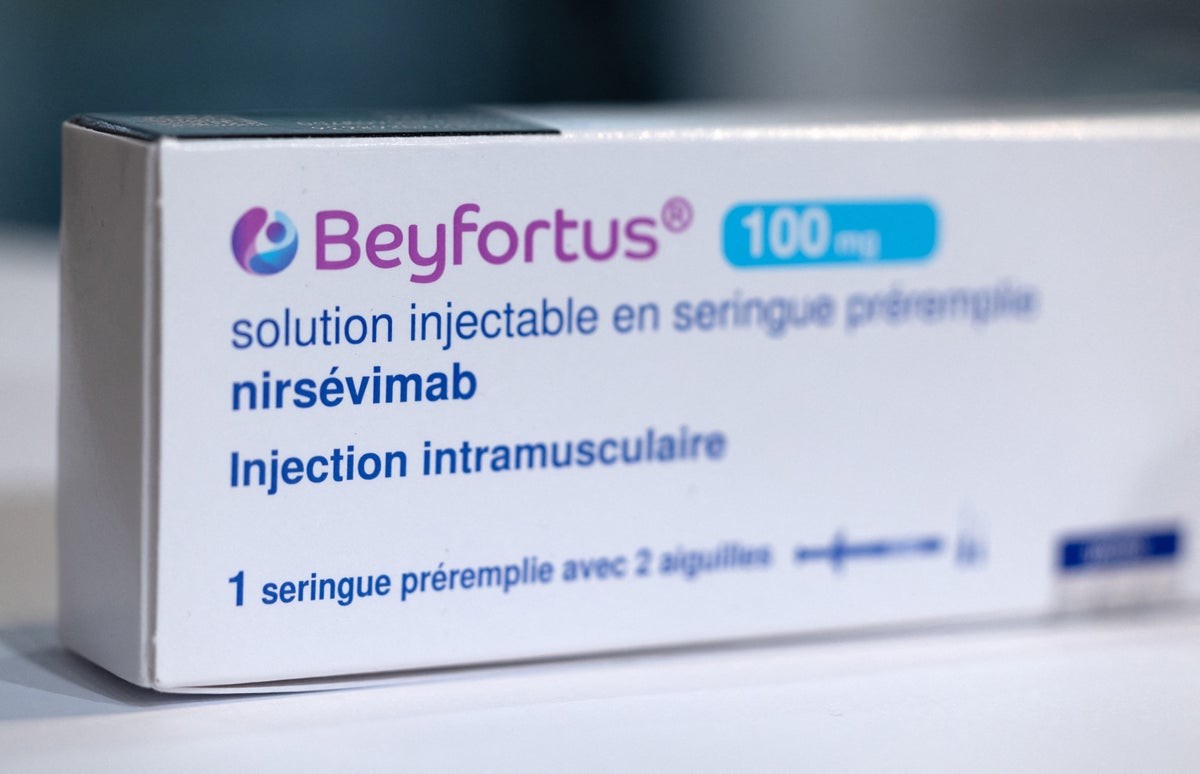
- Monoclonal Antibody Shots: Infants who do not receive the maternal vaccine, or are not eligible during RSV season, can receive a direct dose of protective antibodies through shots like nirsevimab (Beyfortus) or clesrovimab (Enflonsia). These provide immediate immunity for up to six months.
Which Method is Better?
Recent studies suggest monoclonal antibodies may offer longer-lasting and more consistent protection compared to maternal vaccination. A study in France found that nirsevimab was associated with a lower risk of hospitalization and severe complications than the vaccine. Another study in Spain reported an 86% reduction in first-time RSV hospitalizations among infants who received nirsevimab during the 2023–2024 season.
However, experts emphasize that both methods are highly effective and should be used appropriately. The vaccine remains a valuable tool, particularly when administered during pregnancy.
Impact and Concerns
The introduction of these new tools has already shown results: RSV hospitalization rates in children aged zero to seven months dropped by as much as 43% in the 2024–2025 season. However, recent changes to childhood vaccine recommendations may cause confusion and reduce uptake, potentially undermining this progress.
Clear communication and continued access to these protective measures are crucial to ensure that all infants benefit from the latest advances in RSV prevention.