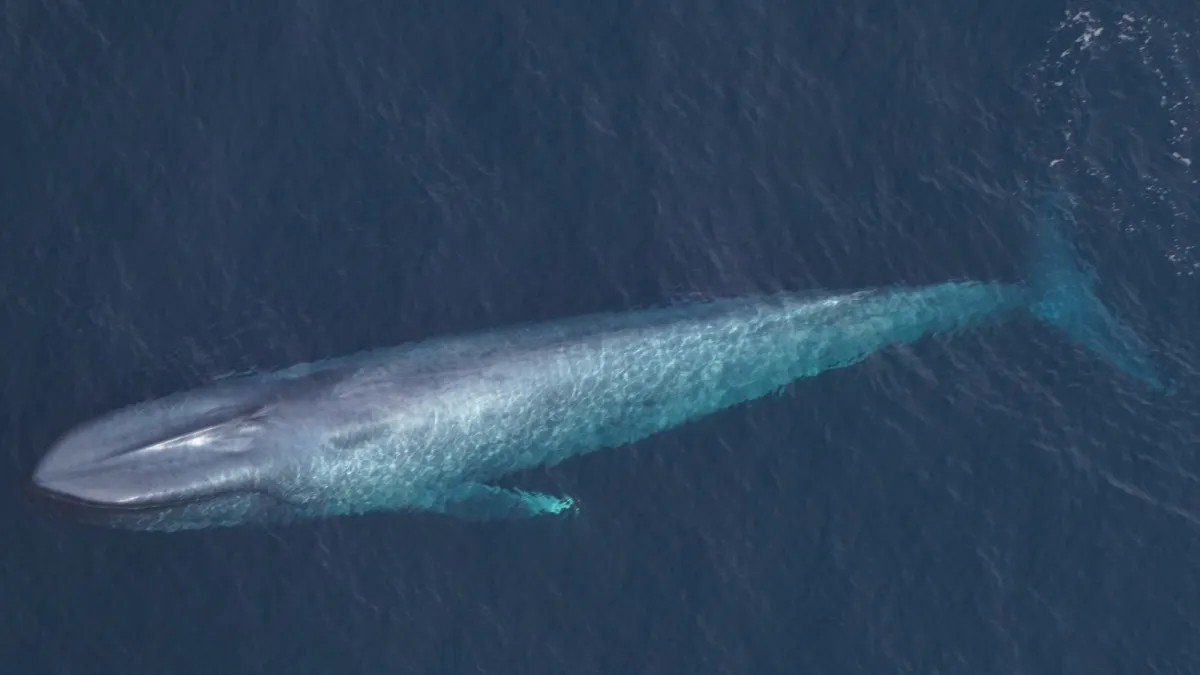
Marine biologists from the New England Aquarium have documented an unusual series of blue whale appearances off the coast of Massachusetts, sparking renewed discussion about marine conservation efforts in the region. The sightings, which occurred within 24 hours of each other in late February, are particularly noteworthy given the rarity of blue whale presence in these waters.
Unprecedented Sightings in Southern New England Waters
The first blue whale (Balaenoptera musculus ) was observed on February 27th within the Northeast Canyons and Seamounts Marine National Monument, a protected marine sanctuary near Nantucket. Just one day later, another pair of blue whales was spotted 15 miles south of Martha’s Vineyard. According to Katherine McKenna, an Associate Research Scientist at the Aquarium, this marks the first time the team has observed blue whales in two separate locations so close together.
This is significant because blue whales typically frequent Canadian feeding grounds, making appearances in the Western North Atlantic relatively uncommon. The species, the largest animal on Earth, faces ongoing threats from past commercial whaling and remains classified as endangered. Estimates suggest a Western North Atlantic population of only 400–600 individuals.
Why This Matters: Monitoring and Conservation
Aerial surveys are vital for studying migratory species like blue whales, allowing researchers to track populations, assess health, and monitor distribution across vast ocean areas. The recent sightings underscore the importance of continued research efforts.
However, the blue whale observations coincide with recent policy changes that threaten their habitat. Last month, the Trump Administration lifted protections against commercial fishing within the Northeast Canyons and Seamounts Marine National Monument. Jessica Redfern, Associate Vice President of Ocean Conservation Science, emphasized that removing these safeguards puts vulnerable species at risk.
“This Monument supports amazing species from the seafloor to the sea surface… Removing protections… puts these species at risk.”
The blue whale’s presence is a reminder of the rich biodiversity within protected marine areas, and the need to preserve these ecosystems.
The rare sightings highlight both the resilience of this endangered species and the critical role of conservation efforts in ensuring their continued survival.