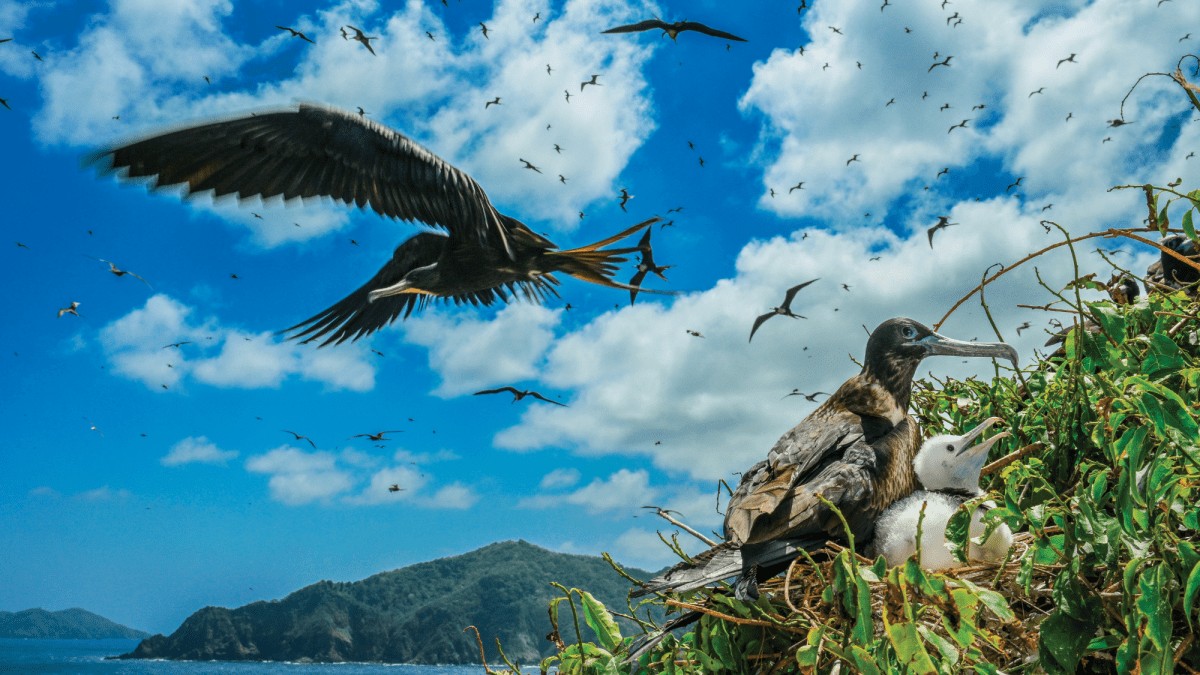
The Amazon River, stretching over 3,700 miles across South America, is more than just the world’s longest river – it’s a pulsing artery of life, supporting an unmatched biodiversity. A new book, AMAZON: A River’s Journey from the Andes to the Atlantic, captures this scale in stunning detail, as National Geographic Explorer Thomas Peschak documents his expedition from the river’s origins in the Andes Mountains of Peru to its mouth in the Atlantic Ocean of Brazil.
Unveiling the River’s Secrets
Peschak’s work highlights not only the river’s sheer size but also the unique ecologies and animal behaviors within it. The Amazon doesn’t just flow through rainforests; it is the rainforest, and every creature within it depends on the river’s health.
This dependence is why the river is critical to the planet’s health. The Amazon generates a substantial portion of South America’s rainfall, influencing weather patterns across the continent and beyond. Its ecosystems absorb massive amounts of carbon dioxide, making it a vital ally in combating climate change.
Biodiversity in Focus
The photographs showcase rarely seen species, from giant river otters to electric eels, each playing a role in the river’s intricate web of life. Peschak’s images don’t just show beauty; they reveal survival strategies honed over millennia, from camouflage to cooperative hunting.
These images also serve as a stark reminder of the threats facing the Amazon: deforestation, pollution, and climate change. The river’s future isn’t guaranteed, and its preservation is essential not just for South America, but for the planet.
The Amazon River is a testament to the power of nature and a warning of what we stand to lose if we fail to protect it.
The AMAZON book is available now, offering a deeper look into this world wonder. The book was selected as one of the “50 most important innovations of the year” by Popular Science.