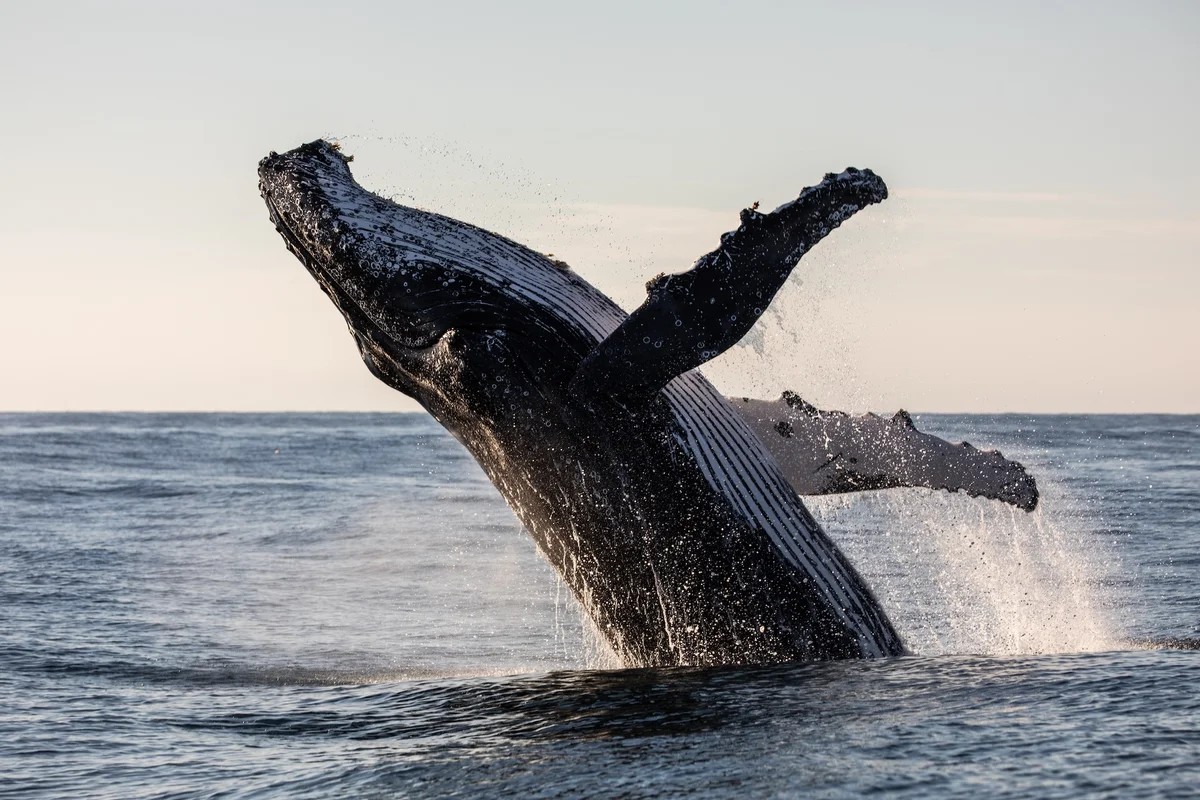
Researchers have unearthed what is believed to be the oldest known recording of a whale, captured in 1949 off the coast of Bermuda by the Woods Hole Oceanographic Institution (WHOI). The recording, made using early underwater acoustic technology, preserves the haunting sounds of a humpback whale (Megaptera novaeangliae ) at a critical juncture in its history.
The Discovery and its Significance
The recording was initially made on a thin plastic disc using a machine typically found in offices, now archived by WHOI in Massachusetts. Its rediscovery nearly eight decades later offers a unique opportunity for scientists to study how whale sounds have evolved, and more importantly, how human activity has altered the ocean’s natural soundscape.
As marine bioacoustician Laela Sayigh explains, “Data from this time period simply don’t exist in most cases… This recording can provide insight into how humpback whale sounds have changed over time.”
A Whale in Crisis
The 1949 recording dates back to a time when humpback whale populations in the North Atlantic were collapsing due to rampant commercial whaling. By 1955, the species had dwindled to an estimated fewer than 1,000 individuals. Today, despite a remarkable recovery (with numbers now at least 20 to 25 times higher), whales still face threats from modern disturbances.
Modern Threats and the Soundscape
The recording serves as a poignant reminder that while whaling is now largely controlled, the ocean’s soundscape is under constant pressure from shipping, water pollution, and noise pollution. This noise interferes with whales’ communication, potentially disrupting mating, feeding, and migration patterns. The ability of whales to “talk” to one another through their songs is vital for survival.
The rediscovery of this recording is not just an archival curiosity but a crucial baseline for understanding how the ocean has changed and how we must act to protect its future.
The past preserved on this disc is a warning: even as species recover, new threats emerge, demanding continuous monitoring and conservation efforts.