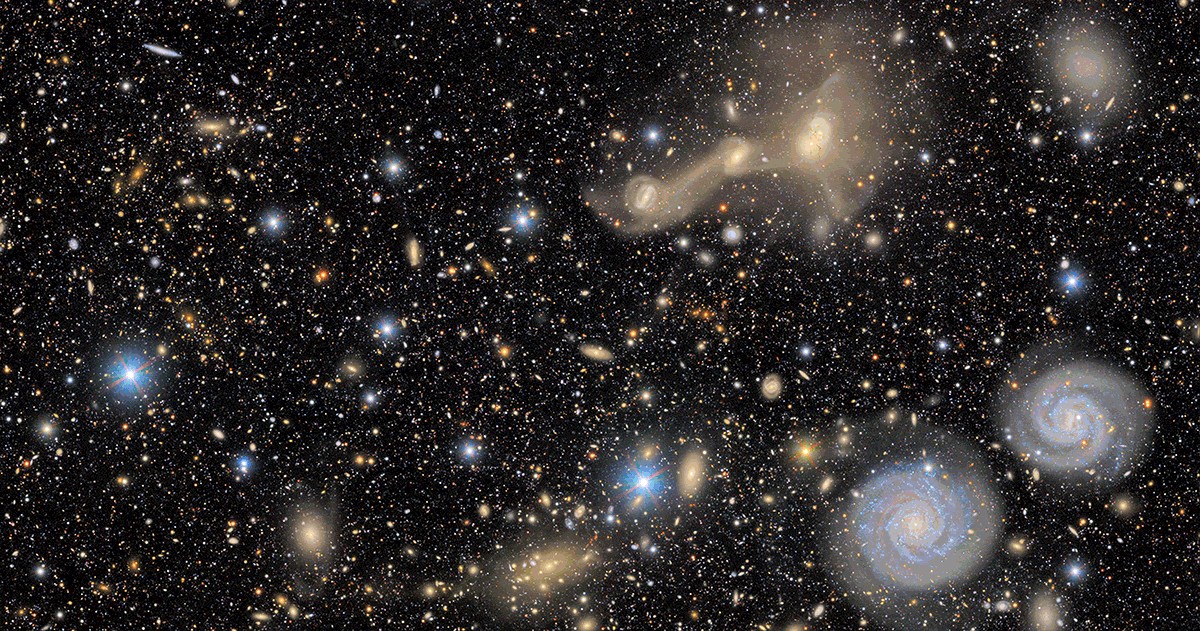
The Vera C. Rubin Observatory, home to the world’s largest digital camera, has begun issuing automated alerts to astronomers at a rate of roughly 800,000 notifications per night. This milestone, achieved on February 24th, marks a critical step in harnessing the observatory’s unprecedented capacity to monitor the ever-changing sky.
The Data Deluge
Rubin Observatory began operations last year, capturing panoramic views of space with ease. However, the sheer volume of data—over 1,000 massive images nightly—necessitated a system for rapidly identifying and flagging significant events. The observatory’s team designed an alert system to filter and monitor the data, which is now fully operational.
The alert system works by comparing each new image to a high-resolution baseline image of the entire sky. Differences are flagged, allowing algorithms to distinguish between phenomena like supernovae, asteroids, and black hole flares. Users can subscribe to receive notifications based on their specific interests, receiving a low-resolution image with relevant data within minutes of the observation.
Why This Matters
This level of real-time data delivery is unprecedented. Before Rubin, astronomers manually sifted through data to identify changes, which was impractical given the telescope’s output. Now, the observatory automates this process, allowing scientists to react to transient events almost instantly.
“We can detect everything that changes, moves, and appears,” explained Yusra AlSayyad, Rubin’s deputy associate director for data management. “It’s way too much for one person to manually sift through.”
The volume of alerts is expected to reach millions per night, raising questions about how the scientific community will adapt. This demands new tools and techniques for prioritization and analysis. It also means that amateur astronomers and citizen scientists can now participate in real-time discovery, alongside professional researchers.
First Night Results
On its first night of public access, the system distributed 800,000 alerts for events like asteroid movements, stellar explosions, and supermassive black hole activity. The system’s success confirms the observatory’s ability to provide timely, actionable data.
The Rubin Observatory’s alert system represents a paradigm shift in astronomical observation. The ability to react to cosmic events in near real-time will accelerate discovery and deepen our understanding of the universe.