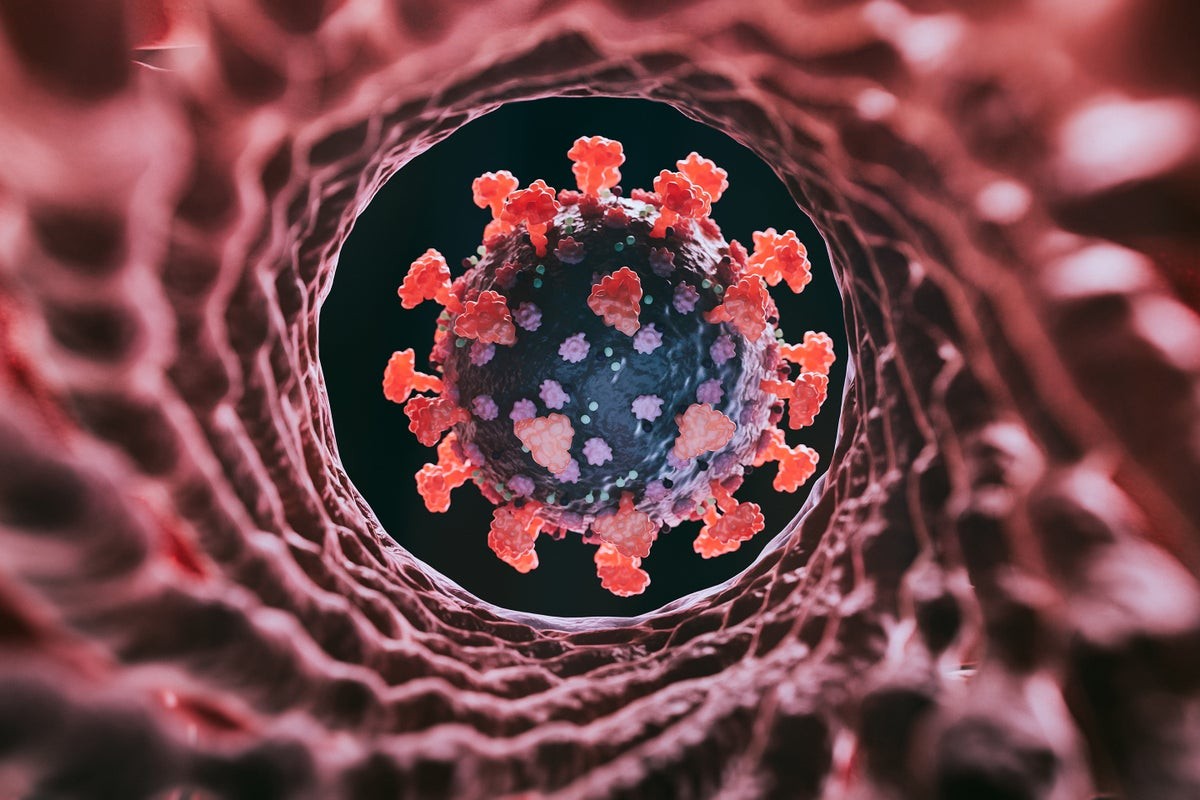
A new variant of the COVID-19 virus, dubbed “Cicada” (officially BA.3.2), is circulating in the United States. First identified in South Africa in November 2024, the variant has been detected in wastewater and clinical samples across 25 states, according to a recent report from the Centers for Disease Control and Prevention (CDC). While currently representing a small percentage of infections, its highly mutated genetic makeup warrants attention.
Variant Detection and Spread
The CDC first observed the Cicada variant in the U.S. in June 2025, traced to a traveler from the Netherlands. Since then, it’s been found in various samples: nasal swabs from travelers, wastewater from airports, and clinical specimens from patients. As of February 2026, the variant has been identified in 23 countries worldwide.
Genetic Mutations and Immunity
The Cicada variant is notable for its 70 to 75 mutations in the spike protein – the part of the virus that binds to human cells. This significant mutation rate is concerning because it suggests the variant may be able to partially evade immunity built up from prior infections or vaccinations. Laboratory studies confirm this, showing the variant can bypass some antibodies. This highlights the need for continued monitoring of vaccine effectiveness as the virus evolves.
Current Prevalence and Impact
Despite its mutations, Cicada currently accounts for less than 0.2% of COVID-19 cases in the U.S. between December 1, 2025, and February 11, 2026. The CDC report notes that it hasn’t caused a surge in overall cases. However, experts emphasize that ongoing genomic surveillance is crucial to tracking its spread and assessing its potential to cause more severe illness or overwhelm healthcare systems.
The emergence of Cicada underscores the virus’s continued ability to mutate and adapt, even as the global pandemic has shifted into a new phase. Vigilance through surveillance and research remains essential to maintaining public health preparedness.