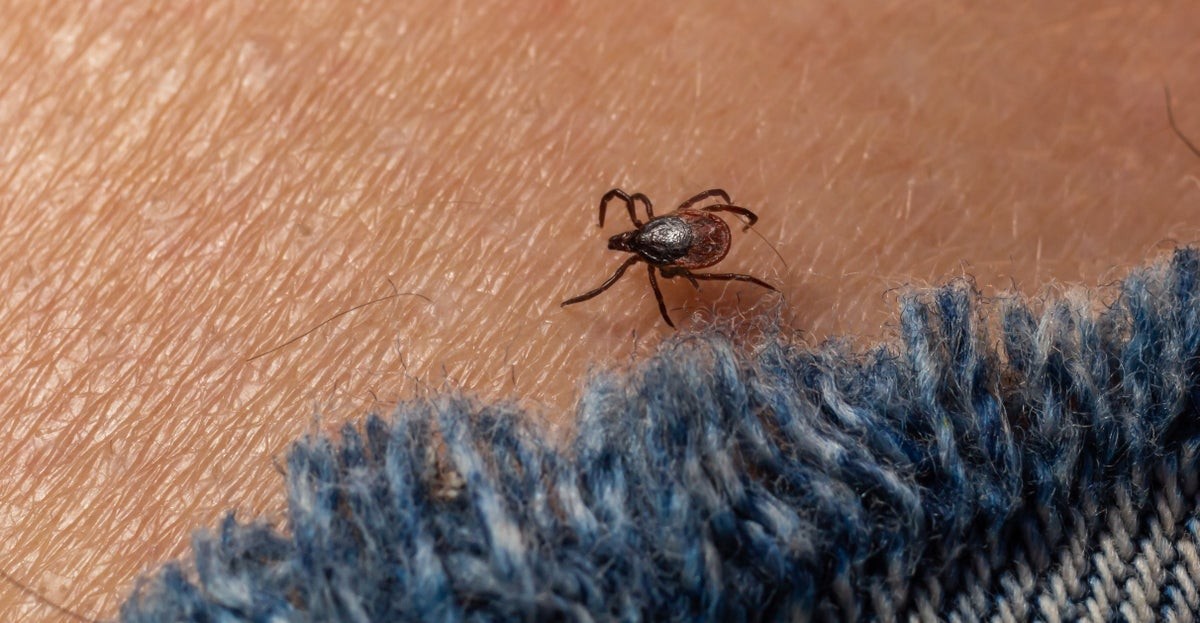
As Lyme disease cases continue to surge across North America and Europe, a potential breakthrough is on the horizon. Pharmaceutical giants Pfizer and Valneva recently announced positive results from Phase 3 clinical trials for a new vaccine, LB6V, designed to prevent infections spread by black-legged ticks.
While the news has sparked cautious optimism among medical professionals, the path to widespread public use remains complex, facing hurdles of regulatory approval, efficacy benchmarks, and the shadow of a failed predecessor.
The Growing Burden of Lyme Disease
The urgency for a vaccine is underscored by a stark reality: Lyme disease is becoming increasingly prevalent. While official CDC reports listed approximately 89,000 cases in 2023, experts estimate the actual burden is much higher—nearly 476,000 cases annually in the U.S. alone.
Several environmental and biological factors are driving this trend:
– Climate Change: Warmer temperatures are causing tick seasons to start earlier and last longer.
– Geographic Expansion: Tick populations are migrating into new territories.
– Human Behavior: Despite advice to use repellent and wear protective clothing, many people do not follow preventative measures.
If left untreated, the Borrelia burgdorferi bacteria transmitted by ticks can lead to severe neurological, cardiac, and joint inflammation. While antibiotics can prevent long-term damage, the disease is frequently underdiagnosed due to complex testing and missed early symptoms.
How the LB6V Vaccine Works
Unlike traditional vaccines that train the body to fight a pathogen once it has entered the bloodstream, LB6V employs a unique protein subunit strategy.
- Targeting the Source: The vaccine targets six different serotypes (variations) of the bacteria’s outer surface protein.
- The “Trojan Horse” Defense: When a person is vaccinated, their immune system develops antibodies. When a tick bites the vaccinated person, it ingests these antibodies along with the blood.
- Neutralization: The antibodies bind to the bacteria inside the tick, preventing the pathogen from ever entering the human host.
The Phase 3 trial included roughly 9,400 participants aged five and older across the U.S., Canada, and Europe. The regimen involves three initial doses followed by a booster.
Lessons from the Past: Overcoming the “LYMErix” Legacy
The primary challenge for LB6V is not just biological, but psychological. In 2002, a previous vaccine called LYMErix was pulled from the market. While subsequent research never confirmed a link to arthritis, public perception was damaged by reports of musculoskeletal pain, and the vaccine ultimately struggled with poor market performance.
Researchers note that LB6V has been designed to avoid the pitfalls of its predecessor:
– Improved Composition: It lacks the specific component that was hypothesized to cause joint pain in the older version.
– Broader Protection: It covers more bacterial subtypes.
– Pediatric Focus: The vaccine was specifically tested in children under 15.
However, some limitations remain. The trial showed an efficacy rate of 73% to 75% —slightly below the 80% threshold seen in some other vaccines—and the study faced statistical challenges due to lower-than-expected infection rates in the placebo group.
The Road Ahead: Approval and Acceptance
Pfizer has submitted its trial data to the FDA. If approved, the next step involves the CDC’s Advisory Committee on Immunization Practices (ACIP), which will likely recommend the vaccine for high-risk populations, similar to how travel vaccines are distributed.
The ultimate success of the vaccine may depend on two critical factors:
1. Transparency: Patient advocates, such as those at LymeDisease.org, emphasize that manufacturers must be fully transparent regarding safety data and adverse events to build trust.
2. Compliance: Because antibodies fade over time, the vaccine will likely require annual preseason boosters. Whether the public is willing to commit to a yearly vaccination schedule remains a significant question for health officials.
Conclusion
While LB6V represents a significant scientific leap in preventing Lyme disease, its long-term impact will depend on whether the medical community can secure public trust and whether people embrace the necessity of annual booster shots.