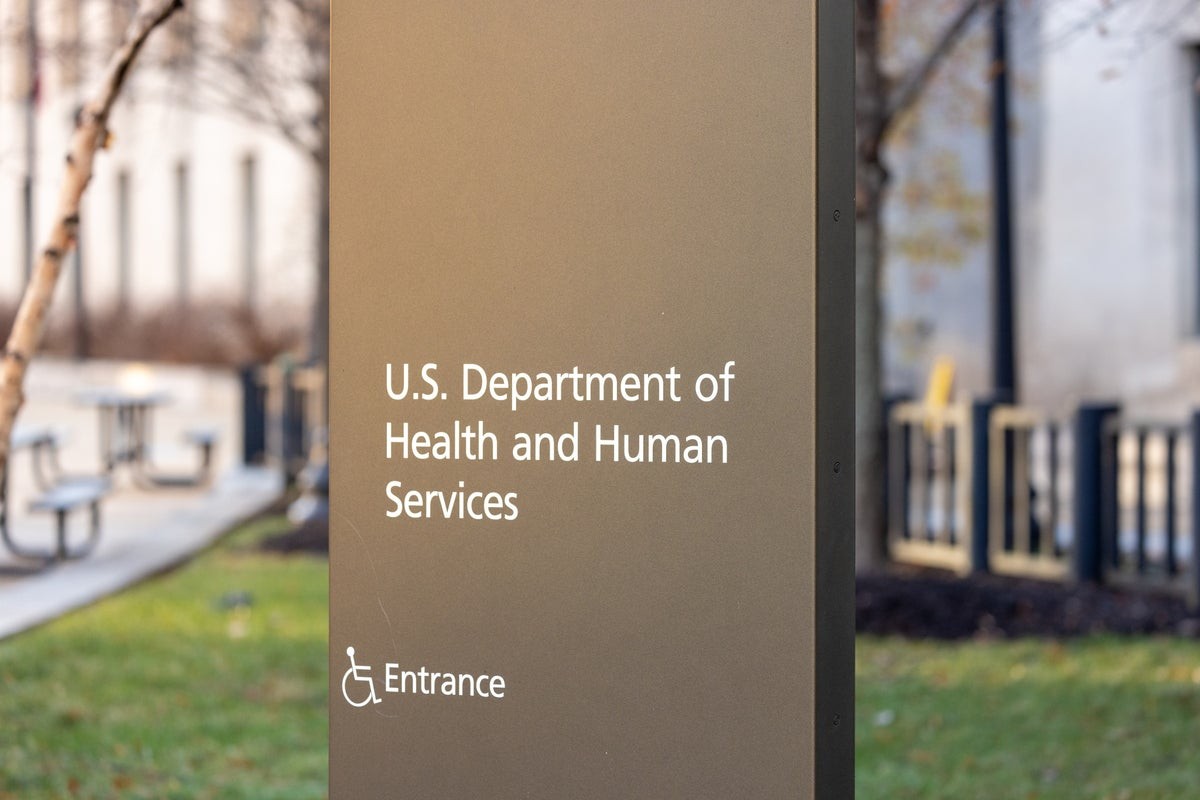
WASHINGTON, D.C. – A new independent committee of autism researchers and advocates has convened in Washington, D.C., amid growing concerns over recent changes to the federal government’s Interagency Autism Coordinating Committee (IACC). The move follows a controversial overhaul of the IACC by Secretary of Health and Human Services Robert F. Kennedy, Jr., which included appointments of individuals who have promoted debunked theories linking vaccines to autism and unproven therapies.
Rising Concerns Over Scientific Integrity
The newly formed Independent Autism Coordinating Committee (I-ACC) is intended to fill the void left by the shifting priorities of the federal panel. This mirrors a broader trend: other medical organizations have independently issued vaccine guidelines after Kennedy also reshaped the Centers for Disease Control and Prevention’s vaccine advisory committee. Experts warn this fragmentation of public health guidance erodes trust and could undermine progress.
Craig Snyder, policy lead at the Autism Science Foundation, stated that the federal committee now suffers from a “striking absence of scientific expertise.” He explained that it overrepresents families who believe in the disproven vaccine-autism link, while marginalizing the majority of autistic individuals, their families, and advocates who support evidence-based science.
A Shift in Representation and Focus
The I-ACC’s formation is not isolated. The federal committee’s overhaul represents a larger pattern of questioning established scientific consensus. Kennedy’s administration has altered the CDC website to acknowledge that “studies have not ruled out the possibility that infant vaccines cause autism,” despite overwhelming evidence to the contrary. The Food and Drug Administration has also removed warnings about dangerous, unproven autism therapies, such as chelation and hyperbaric oxygen therapy.
These changes are particularly alarming given the historical context. The federal IACC was created in 2006 amid a surge in antivaccine sentiment, aiming to ensure rigorous scientific attention and funding for autism research. Former Representative Jim Greenwood, a sponsor of the original bill, explains that the law was designed to “override these bad, pseudoscience conspiracies” by bringing together experts who truly understand the science.
The Risk of Division
The I-ACC plans to conduct independent reviews of autism science and recommend research priorities to improve the lives of autistic people. Members, including former National Institute of Mental Health Director Joshua Gordon, express fears that the federal committee will no longer prioritize evidence-based approaches.
Historically, the federal IACC fostered collaboration among researchers, families, and autistic individuals. Now, representation from autistic people has decreased, and neither committee includes adequate representation from autism self-advocacy organizations. Ari Ne’eman, co-founder of the Autistic Self Advocacy Network, warns that autistic people are “losing ground on political representation” and that neither committee currently represents the community effectively.
The emergence of a parallel autism research body underscores a growing crisis of trust in federal public health institutions. The shift in priorities raises serious questions about the future of autism research, funding, and ultimately, the well-being of autistic individuals.