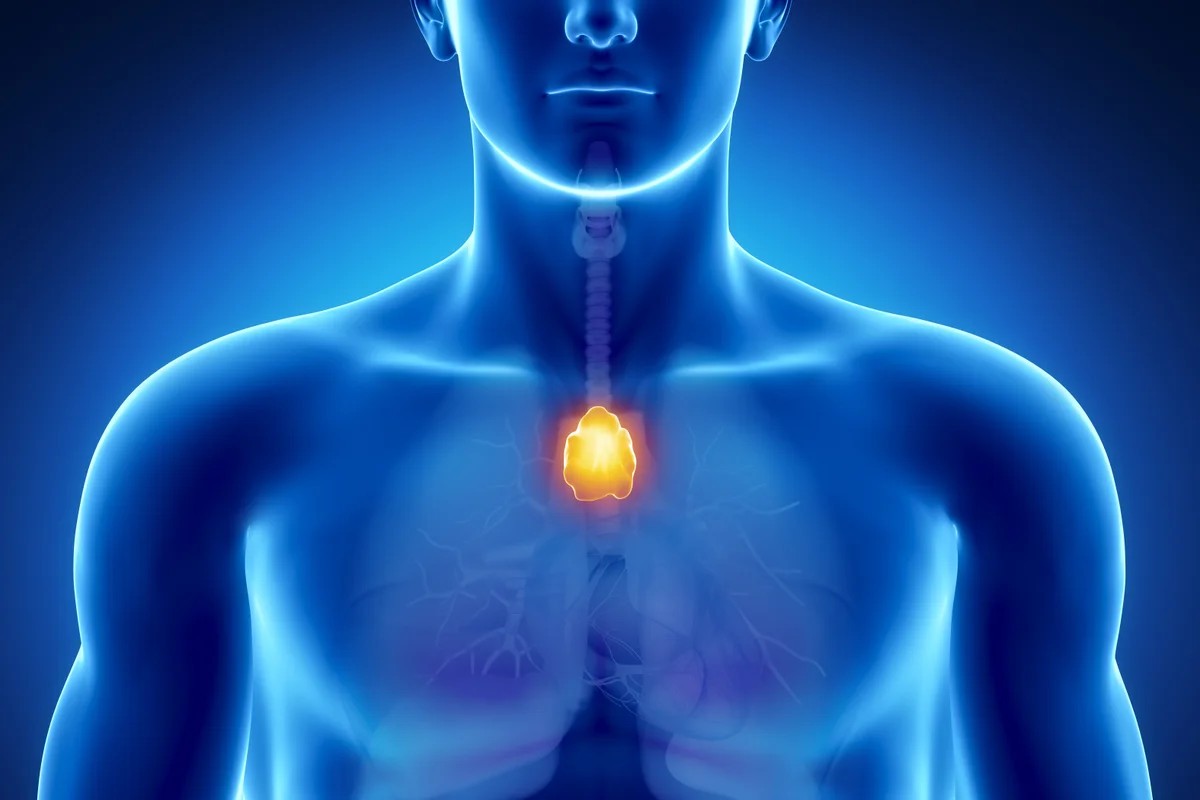
Recent studies suggest the thymus gland – often dismissed as a childhood organ – may play a critical role in long-term health and lifespan. For years, scientists have believed the thymus shrinks in adulthood and becomes less relevant, but emerging research indicates its continued function could be strongly linked to resistance to disease and increased longevity.
The Thymus: More Than Just a Childhood Organ?
The thymus, located in the chest near the heart and lungs, is most active during puberty. It’s primarily responsible for developing T cells, a vital type of white blood cell that defends against infection. As we age, the thymus naturally shrinks, replaced by fat tissue – a change previously interpreted as signaling diminished importance. However, this view is now being challenged.
AI Reveals Thymus Health and Long-Term Outcomes
Researchers used artificial intelligence to analyze over 27,000 patient CT scans and medical records. This analysis revealed significant variation in thymus health among individuals. Some people maintained an active thymus well into old age, while others experienced rapid decline at younger ages. Crucially, a healthy thymus correlated with increased lifespan and reduced risk of cardiovascular disease and lung cancer – even after accounting for age, sex, and smoking habits.
This finding suggests the thymus isn’t simply declining with age, but its rate of decline is a critical factor in overall health. The study’s senior author, Hugo Aerts, emphasizes that these findings represent a crucial “puzzle piece” in understanding long-term well-being.
Thymus Health and Cancer Treatment
A related study also found that cancer patients receiving immunotherapy had better outcomes if they possessed a healthier thymus. This further supports the idea that the thymus is not merely an outdated organ, but a central component of immune competence throughout life.
Correlation vs. Causation: What Does This Mean?
While the correlation between thymus health and longevity is striking, researchers caution against assuming direct causation. The thymus might not cause better health, but could instead reflect it – acting as a marker for overall physiological function and low inflammation. Other organs could exhibit similar trends, making it difficult to isolate the thymus as the sole determinant of health.
However, the convergence of multiple studies points to a clear message: a well-functioning immune system, particularly T-cell mediated immunity, is likely a major driver of healthy aging. The research underscores that this “forgotten organ” deserves more attention and further investigation.
The implications are significant. If the thymus truly plays a central role in longevity, interventions aimed at preserving or restoring its function could potentially extend lifespan and reduce age-related diseases. More research is needed to understand exactly how thymus health impacts longevity, but the findings signal a shift in how we view this often-overlooked organ.