Hangovers are a universal experience for many, yet the best ways to combat them remain shrouded in myth and anecdotal evidence. While no magic cure exists, science offers practical insights into how food and hydration can ease recovery. The key isn’t about “curing” a hangover but managing the biological fallout from alcohol consumption.
What Happens to Your Body?
Alcohol metabolism is taxing. The liver prioritizes breaking down ethanol, disrupting other metabolic processes. This leads to low blood sugar, dehydration, and a buildup of inflammatory byproducts. The body struggles to maintain glucose levels, causing shakiness, fatigue, and anxiety. Alcohol also suppresses a hormone that conserves water, increasing urination and accelerating dehydration.
This matters because hangovers aren’t just about feeling bad. They represent the body working hard to clear a toxin, which means the best approach is to support its recovery, not fight it.
Nutrition for Recovery: What to Eat (and Why)
The most effective strategy isn’t a quick fix but a balanced approach.
- Protein: Foods like eggs replenish depleted amino acids, including cysteine and methionine, which are crucial for antioxidant production. Antioxidants combat the free radicals that cause inflammation.
- Complex Carbohydrates: Whole grains provide sustained energy instead of the sugar spikes and crashes from processed foods. A stable blood sugar level minimizes shakiness and fatigue.
- Healthy Fats: Avocado or salmon slow gastric emptying, reducing alcohol absorption.
- Electrolytes: Sports drinks or coconut water help restore lost fluids and minerals. Avoid sugary options that exacerbate dehydration.
- Ginger: Clinically shown to reduce nausea by stimulating digestive enzymes.
Experts agree: There’s no nutritional benefit to greasy junk food, despite its momentary appeal.
The Role of Hydration and Other Support
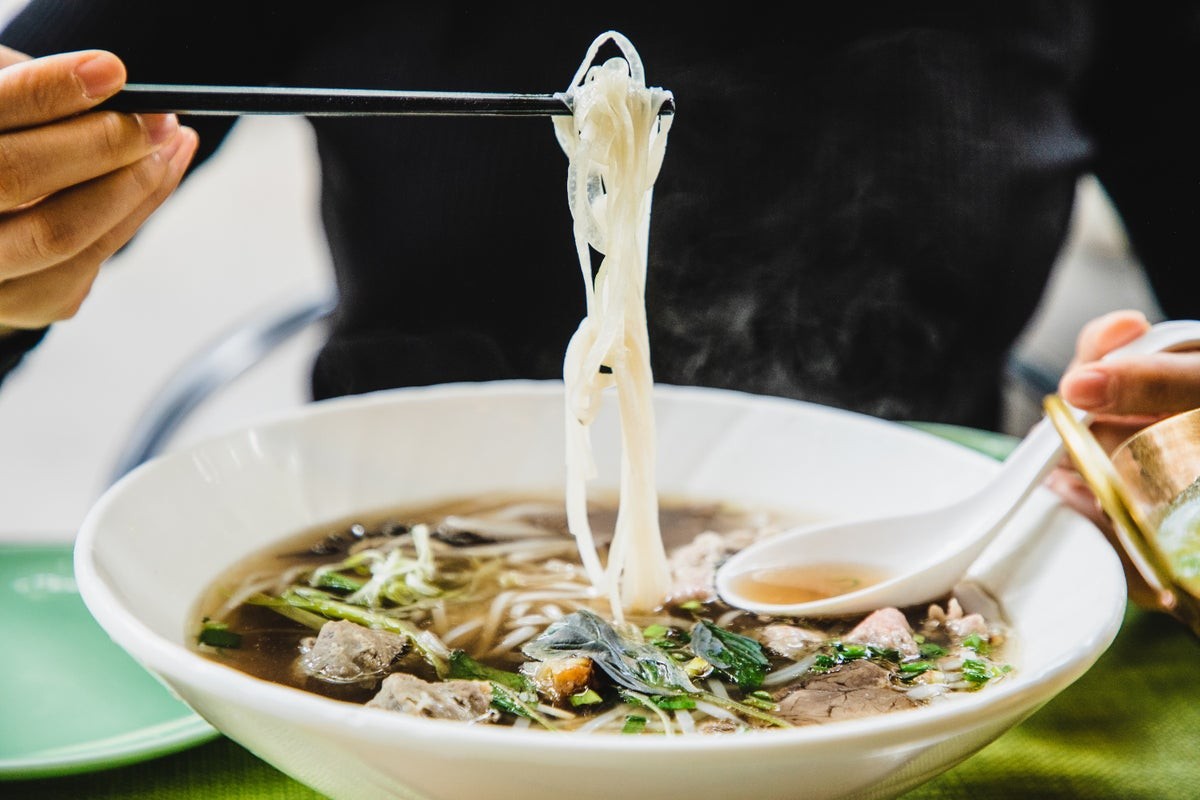
Rehydration is critical. Water is essential, but electrolytes (found in sports drinks or coconut water) help restore balance. Warm, salty broth-based soups (like pho) can also aid rehydration with added protein and nutrients.
Regular multivitamin use can replace lost vitamins and minerals.
Listen to Your Body
Ultimately, the best approach is personalized. If a particular food or drink consistently provides relief, there’s a good reason. “If it works for you, then eat it,” says Sara Police, a pharmacology professor at the University of Kentucky. “We are, anecdotally, our own personal experiment.”
The bottom line: While science doesn’t offer a hangover cure, strategic nutrition and hydration can significantly mitigate symptoms. Focus on supporting your body’s natural recovery process rather than seeking a quick fix.