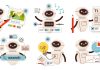
The initial wave of Science of Reading (SoR) reforms has focused on what teachers should teach—phonics, phonemic awareness, and evidence-based curricula. However, many educators like Ms. Rivera find themselves in a frustrating position: knowing the new standards but lacking real-time insights into whether students are actually grasping the material. The next crucial step, SoR 2.0, isn’t about passing more laws; it’s about building the systems to measure progress continuously, turning vague mandates into actionable data.
The Gap Between Policy and Practice
For too long, literacy assessment has felt like an “educational autopsy”—delayed test scores arriving too late to adjust instruction effectively. The Thomas B. Fordham Institute’s Wonkathon 2025 Anthology confirms this systemic issue. Experts like Kymyona Burk, who spearheaded Mississippi’s literacy turnaround, emphasize that policies alone don’t deliver results; intentional implementation and relentless measurement are key. States that saw success didn’t rely on miracles; they built systems where data drove daily improvement.
Assessment as an Operating System
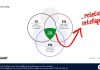
SoR 2.0 demands a fundamental shift: viewing assessment not as an external audit, but as an internal operating system for instruction. This requires integrating assessment, teaching, and learning—a “Pedagogical Troika”—into a continuous loop. Instead of waiting for annual test scores, teachers need tools that act like a GPS, pinpointing struggles and suggesting immediate next steps. The goal is no longer simply to sort children by intelligence but to diagnose how each child learns best, a shift pioneered by Else Haeussermann decades ago.
The Rise of Practical Tools
Scaling this level of personalization was once impossible. But emerging AI-powered tools, SAFE AI (Safe, Accountable, Fair, Effective), are now making it practical. These tools can analyze students’ reading in real-time, generating “fluency heat maps” that allow teachers to intervene precisely where needed.
Key Components for Systemic Success
Building an effective assessment system requires a marathon approach: it’s not about quick fixes but sustained effort. Three key elements stand out:
- Coherence: Linking early decoding skills (K-3) to knowledge-building in later grades (4-8) across all subjects.
- Leadership: Focusing on creating the conditions for success, with a balanced assessment system as a primary factor.
- Transparency: Providing parents with clear, accessible data on their child’s progress, closing the gap between perceived and actual performance.
Three Concrete Steps for Leaders
To move toward SoR 2.0, state and district leaders should prioritize:
- Building the Backbone: Connecting screeners to daily instruction, ensuring data informs next week’s lesson plans.
- Embracing Implementation Science: Tracking not just student results, but whether teachers are actually implementing the new methods, then providing targeted coaching.
- Radical Transparency: Sharing data with parents, giving them a clear understanding of their child’s progress.
The ultimate vision is a system where teachers, like Ms. Rivera, have the tools to identify struggling students in real-time and intervene immediately. We have the blueprints; now it’s time to build the house.